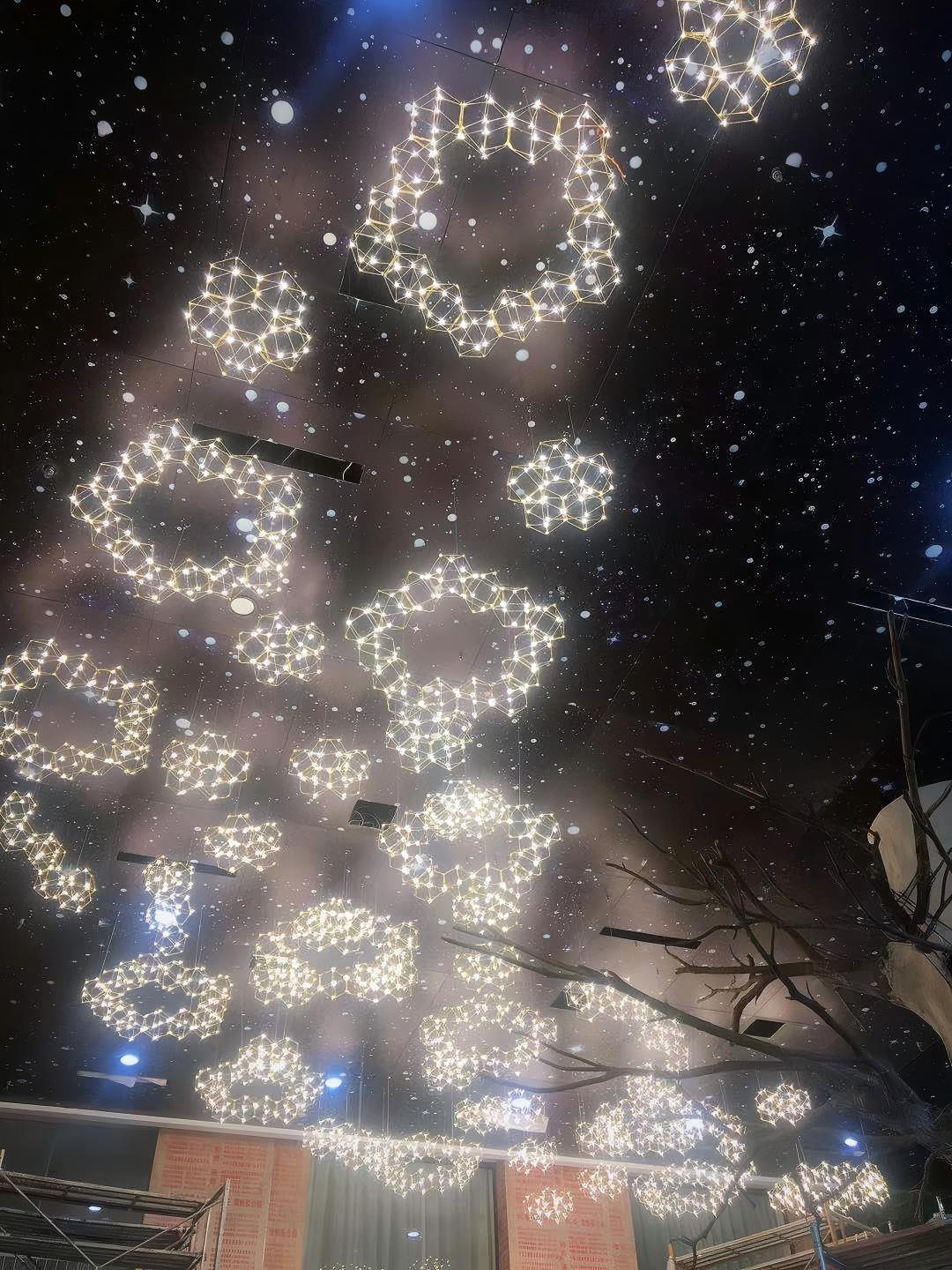
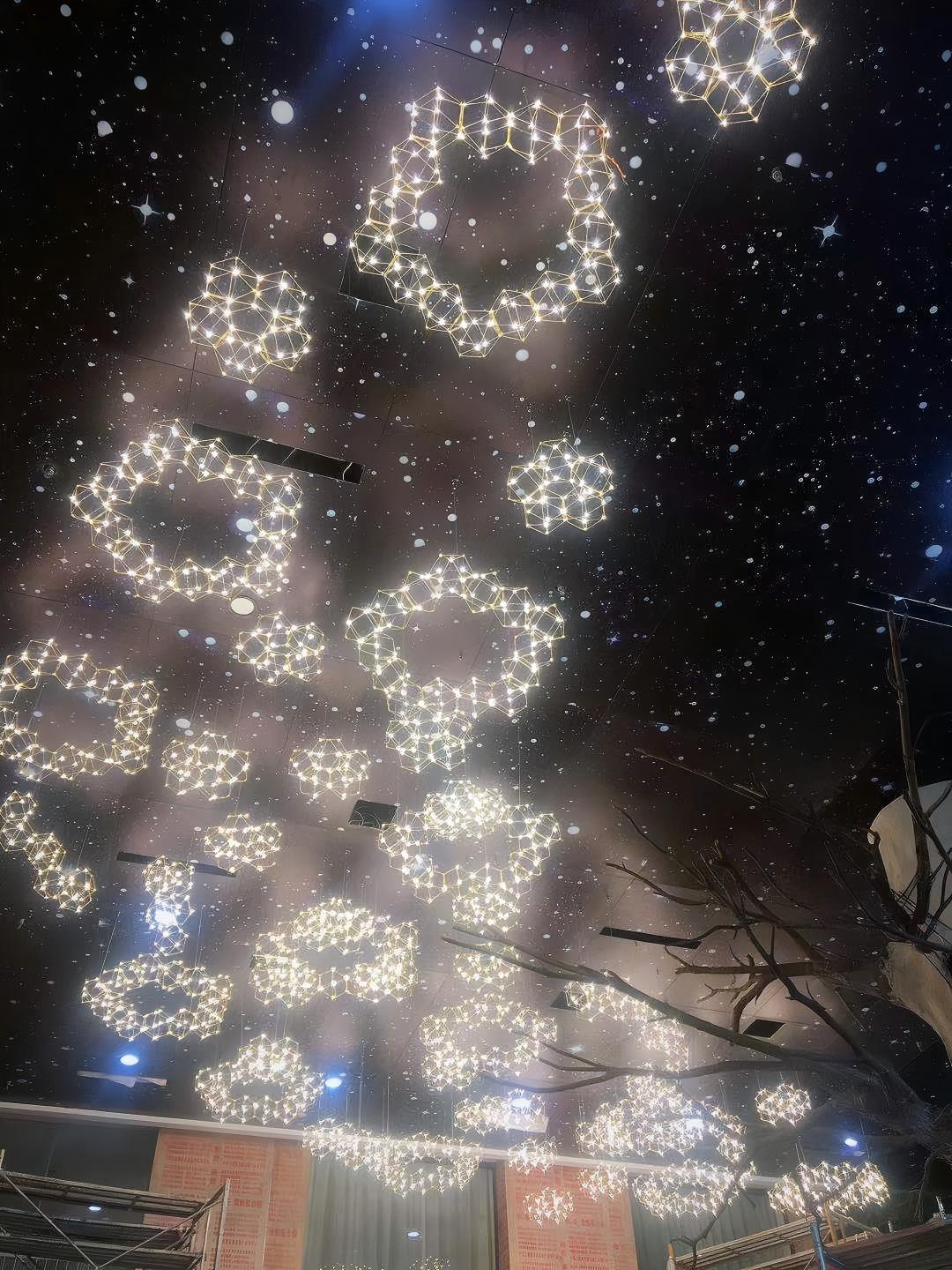
When Custom Light Meets Real-World Chaos
Here’s the truth: custom lighting rarely fails on form; it fails on flow. A bespoke lighting company sits at the table, the architect is on mute, and the GC wants answers. Launch day is tomorrow, and your lobby still flickers when the DJ plugs into DMX512 — funny how that works, right? In one rollout we counted 17 driver types, 6 control protocols, and a dozen undocumented power converters. You can imagine the frame drops in that scene. So, how do you bring order without killing the vibe that bespoke lighting solutions promise?
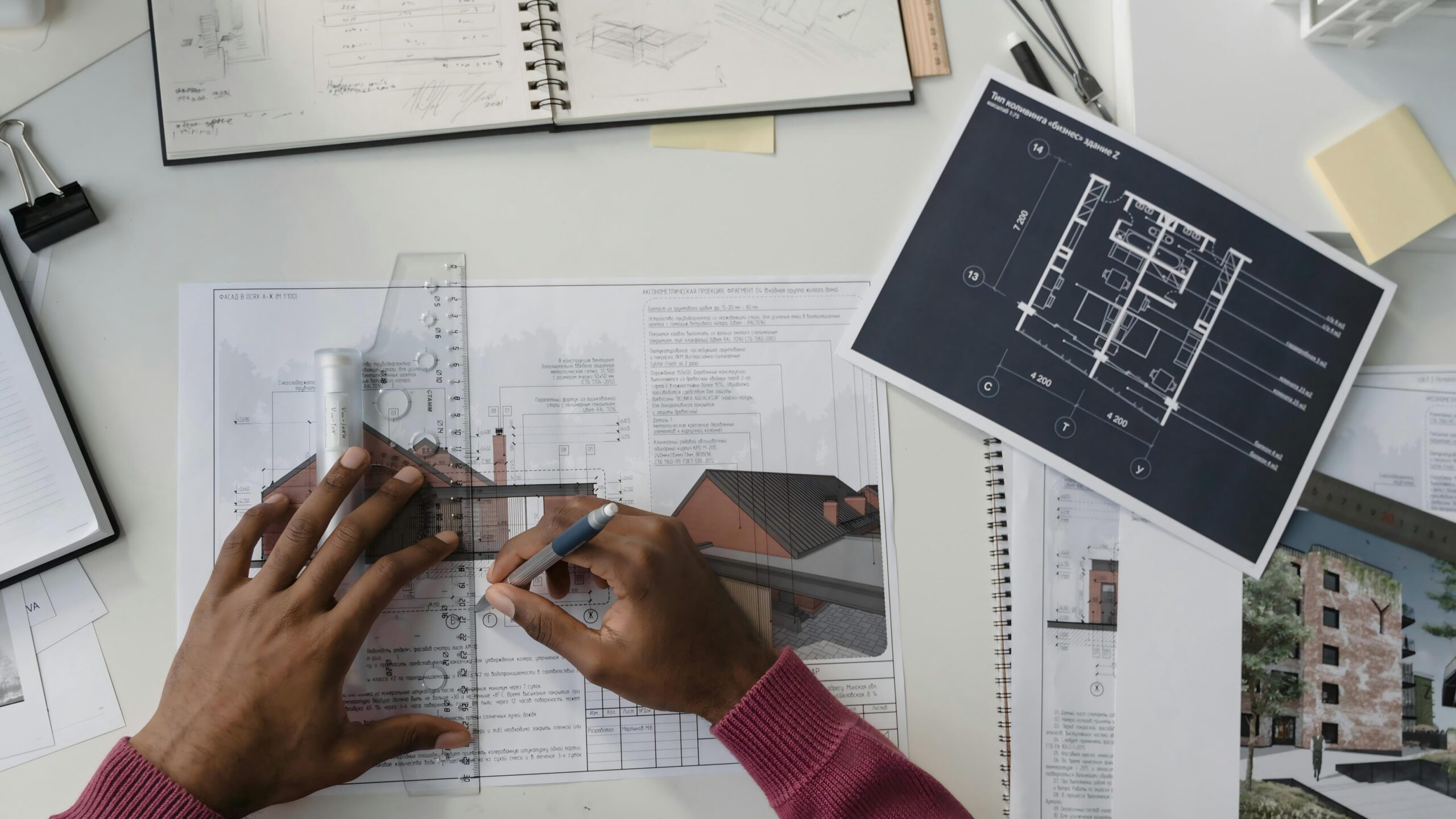
Picture a mixed-use hub. Restaurant wants warm dim; gallery needs tight beams; office floors demand daylight tracking. Data shows the load map looks clean on paper, but the live mesh is noisy. Edge computing nodes choke on bad packets. Emergency circuits backfeed. And commissioning becomes an endless boss fight because the spec didn’t map “who owns what.” The question is simple: can we make custom feel plug-and-play without dumbing it down? Let’s move from panic mode to pattern mode and tee up the big friction points next.
The Hidden Friction Behind “Custom” (And Why It Drags Teams)
Where does “custom” hide the grind?
Let’s get technical and peel the stack. Most “custom” issues aren’t aesthetic; they’re systems debt. The spec says warm-to-dim at 2700–1800 K, but the dimming curve fights your control gateway. Luminous flux targets look fine in renders, yet thermal management is under-modeled, so output droops after hour two. The fix is not magic; it’s clean interfaces. Look, it’s simpler than you think: document control domains, align driver families, and test fault states early. With bespoke lighting solutions, pain spikes when the control protocol (DMX, DALI, BLE Mesh) doesn’t map to fixture drivers, and when IP rating assumptions collide with real ceiling cavities. Also, value engineering swaps break sequence-of-operations. You lose time in cable tracing because the as-builts don’t show takeover points—annoying, and costly. The deeper layer? People design the hero piece, but they don’t spec the service loop, the isolation relays, or the fallback scene if the backbone drops. That’s why commissioning lags and change orders multiply. Clean topology first; pretty optics second. Yes, both matter, but order wins.
From Friction to Forward Motion
What’s Next
Time to flip the script with new-tech principles and a fair comparison. Instead of monolithic control, split brains: edge computing nodes at zones, cloud only for analytics. Use PoE where it fits, keep high-load runs on line voltage, and standardize drivers so diagnostics stay readable. Think digital twin lite—no bloated BIM plugins—just a synced map of circuits, drivers, and scenes tied to QR tags. When you source from bespoke lighting manufacturers, ask for runtime telemetry hooks, not just cut sheets. Why? Because if the network shows latency spikes near showtime, you need a fast rollback scene (and a paper trail). In short, compare legacy “draw-build-hope” versus “simulate-stage-ship.” The second wins because failure gets caught in a staging rack, not on the ceiling—funny how that timing solves “mystery” bugs.
Let’s summarize without rehashing. The pain wasn’t creativity; it was systems clarity. The fix wasn’t more gear; it was better interfaces, earlier staging, and fewer driver families. Now, a quick advisory so you can pick better the next time. First, evaluate interoperability: confirm native support for DMX512/DALI/BLE Mesh and check if drivers expose error states in plain JSON. Second, measure power efficiency across the chain: not just watts-in but driver losses and standby draw under real scenes. Third, assess serviceability: MTTR in hours, not days, plus access to logs without a laptop-only lock-in. If your stack scores well here, custom turns calm. If not, budget extra time for rewires. When in doubt, ask for a prewired mock rack and a one-line topology before you sign—small step, big save. Learn the pattern, run the play, and keep shipping. kinglong