
Introduction
Have you ever paused and asked, “Is upgrading my system really worth the headache?” That question pops up a lot when we talk about electric motor work. I often find myself explaining that an electric motor is not just a box that turns — it’s a system with a stator, rotor, controller and expectations. In many Philippine workshops and small fleets, decisions are made fast because time is money (and because we all know a tight schedule can make you skip checks). Recent shop data shows that retrofit jobs have a 20–30% rework rate in some regions, so I start every chat by asking: what do you really want the motor to do after the change?
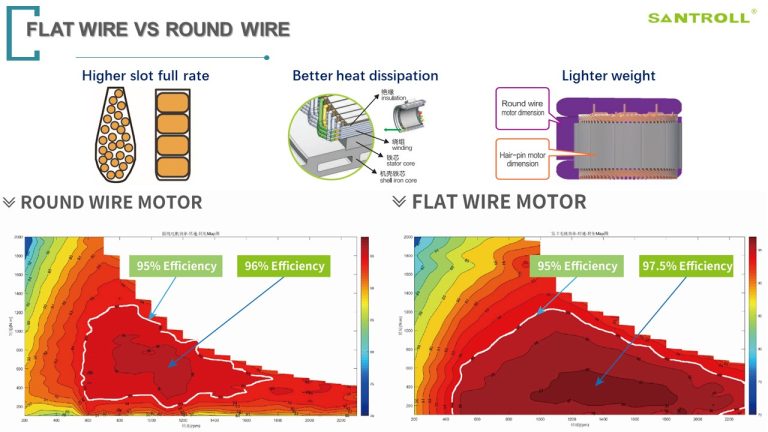
Let me be upfront: I don’t believe in one-size-fits-all fixes. We need to look at duty cycle, torque profile, and how the controller talks to the rest of the plant. I’ll walk you through real issues I see on the ground — the hidden costs, the unexpected failures, and the quiet ways upgrades can go sideways. Ready? Let’s dig into where the trouble usually starts, and why a careful check beats a rush job every time.
Deeper Problems: Why Common Fixes for Boat Motors Fail
I want to focus on one area I’ve handled a lot: boat motors. Look, it’s simpler than you think when you first look at the job — swap parts, tweak settings — but the deeper layer shows why many “repairs” fail after a few months. The typical approach treats the motor as an isolated part. In reality, the motor, gearbox, propeller load and power converters must be matched. If they aren’t, you get poor efficiency, overheating, and early bearing failure. I’ve seen controllers misconfigured to the wrong commutation mode; the motor spins, yes — but with crazy vibration and heat. — funny how that works, right?
Why do common fixes still miss the mark?
First, shops often reuse outdated control maps. Second, testing happens at idle rather than under real load. Third, maintenance logs are sparse or missing. These flaws add up. When a shaft misalignment or a damped resonance is left unchecked, the stator windings and rotor laminations suffer. Add corrosion from marine environments and you have a recipe for stepped-up losses and reduced lifespan. I usually recommend a load test, thermal scan, and an inspection of coupling alignment before any retrofit. If we skip those, we might end up doing the job twice — and that costs the owner more than the parts did.
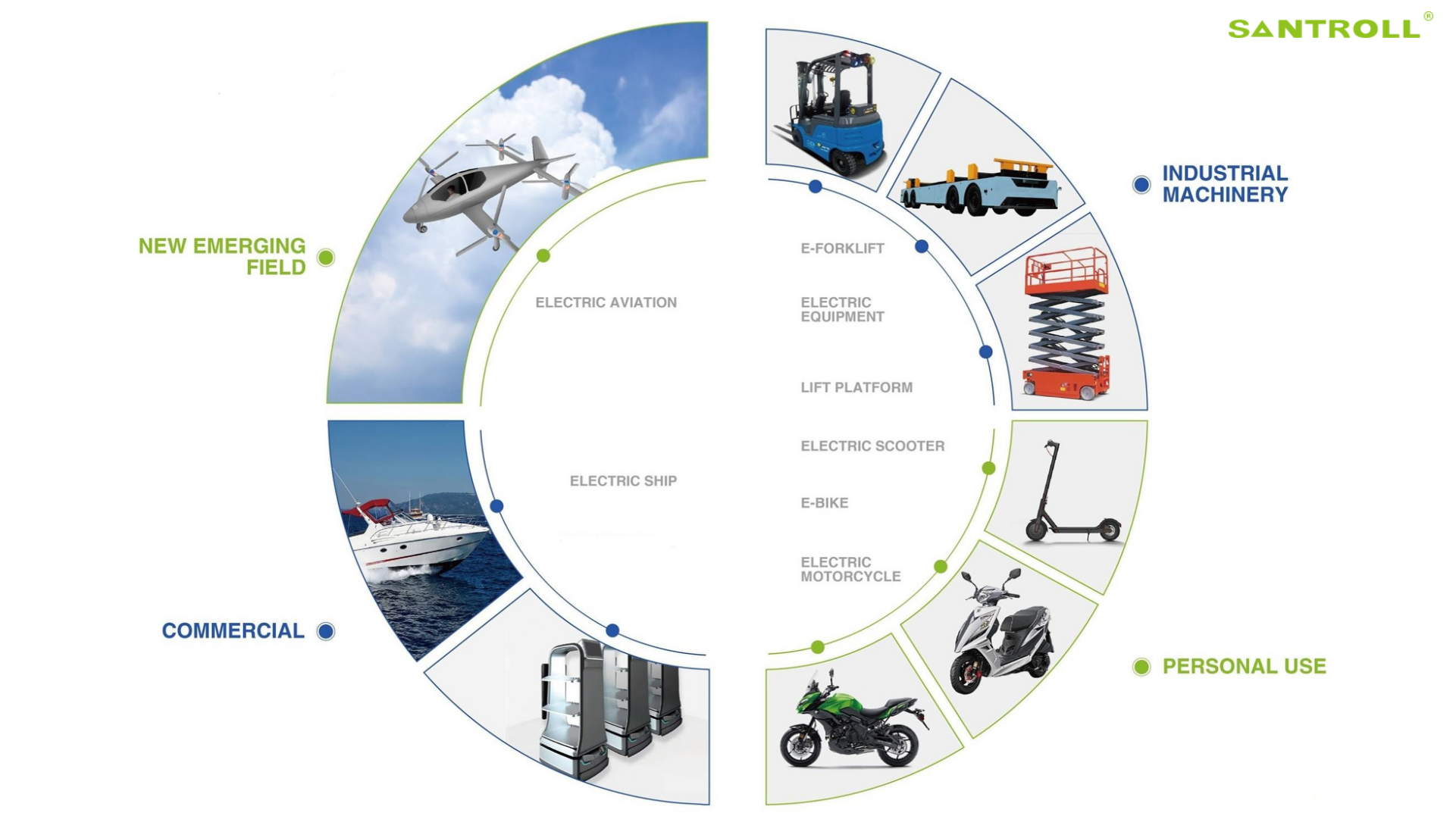
What’s Next: Comparing New Principles and Future Outlook
Now let’s move forward. I like comparing solutions side by side — it helps us pick what fits. New technology principles such as sensorless control refinement, improved power converters, and adaptive torque control are changing how we think about retrofits. For instance, a modern controller can adjust commutation and field weakening on the fly, improving efficiency and range for a vessel. I’ve tested setups where replacing an old controller and tuning the PID loops cut fuel-equivalent consumption by a noticeable margin. We’re talking measurable gains, not marketing fluff.
In practical terms, integrating a brushless motor with an updated controller can reduce maintenance cycles and lower noise. The trade-offs? Initial cost and the need for proper commissioning. But if you plan for the long run and get a proper alignment, calibration, and cooling check, the benefits often outweigh the price. I’ve seen owners hesitate — then, months later, praise the smoother torque curve and quieter nights at the marina. — and yes, that happens when you do it right.
Real-world Impact
Summing up, there are three clear metrics I use when advising clients: efficiency under load, mean time between failures (MTBF), and maintainability (ease of access to consumables and diagnostics). Measure those, and you’ll avoid most surprises. I prefer semi-formal tests — simple, repeatable, and realistic. If you want, I’ll walk you through a checklist for on-water commissioning next time.
Practical Closing: Three Metrics to Choose the Right Path
We’ve covered the hidden pitfalls and looked ahead at better tech. To end on a practical note, here are three key evaluation metrics I always recommend before you greenlight a motor upgrade:
1) Efficiency at expected load — not just at idle. Check how the motor, controller, and propeller behave together. 2) Thermal margin and cooling capacity — ensure the system can shed heat under peak demand. 3) Diagnostic and serviceability score — can you get readings and swap parts quickly in a local port?
I personally use these metrics in every specification I write. They keep projects grounded, they save money, and they make the crew happier because breakdowns drop. If you want help running a scored comparison for your vessel, ping me — I’ll guide you through it. For more product specifics and support, take a look at Santroll.






