User-focused start: what matters to your campaign
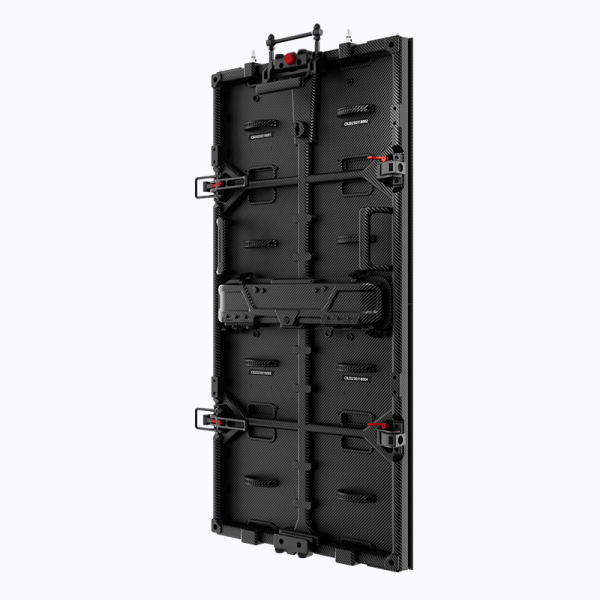
Decisions about an outdoor led screen must begin with the audience, location, and message. Choose a display that matches footfall patterns, viewing distance, and campaign cadence. A buyer-focused approach reduces waste: higher brightness for sunlit plazas, fine pixel pitch for close-range retail façades, or larger cabinets for highway-readable messaging. Technical specs serve goals; they don’t replace them.
Performance factors that drive results
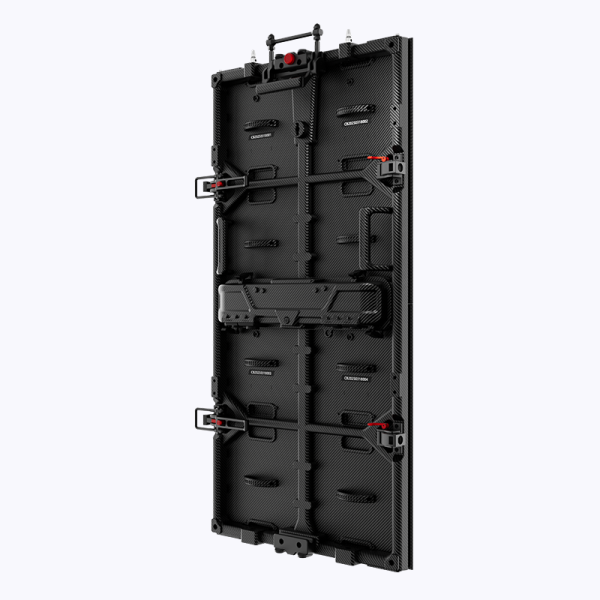
Prioritize three measurable variables: pixel pitch, brightness (nits), and refresh rate. Pixel pitch dictates clarity at a given viewing distance; choose 2.5–4.8 mm for urban retail, 10–16 mm for roadside sites. Brightness above 5,000 nits is typical for direct sunlight exposure; local regulations may cap output, so confirm limits. A stable refresh rate prevents banding on video content and improves perceived quality. Also consider LED modules and the control system—both affect color consistency and scheduling precision.
Placement, installation, and long-term uptime
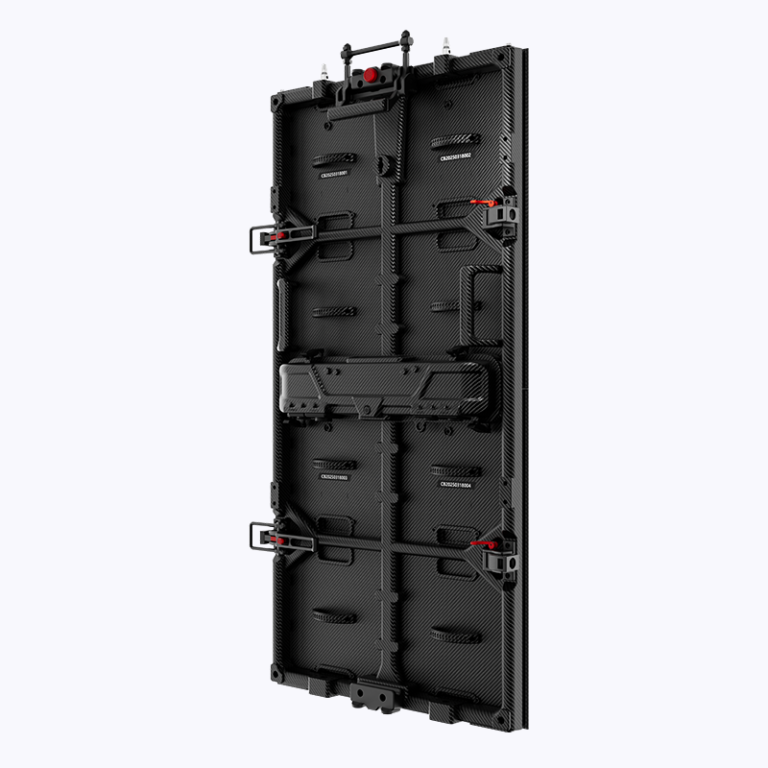
Installation choices determine operating cost. Site preparation—mount, wind loading, and power routing—needs specification up front. Use IP65-rated enclosures in coastal or high-humidity zones and plan for modular cabinet replacement to minimise downtime. Calibration should be scheduled quarterly for color accuracy; automatic brightness sensors reduce manual intervention. A robust control system enables remote diagnostics, firmware updates, and failover playback to keep campaigns live with minimal technician visits.
Common mistakes and practical alternatives
Buyers often overspend on raw resolution for views that never get close. They under-budget for maintenance contracts and network bandwidth. Plan for content formats—uncompressed short-form video will need higher throughput. Consider alternatives where appropriate: static print for very low-frequency messaging, or smaller indoor displays for targeted in-store upsell. Programmatic DOOH platforms can extend reach and trading flexibility—but they add complexity in reporting and ad verification. —A clear SLA with uptime, response time, and pixel failure thresholds prevents disputes later.
Measurement and verification: what to track
Measure impressions delivered, dwell-time lift, and click-through rates for interactive setups. Use camera-free analytics where privacy rules restrict imaging, and cross-reference campaign timestamps with point-of-sale spikes when possible. For brand safety and campaign integrity, log playback proofs and sync them with ad-server receipts. When you deploy a led screen for advertising outdoor, ensure the reporting chain ties display logs to billing events—this is how you quantify ROI and justify future buys.
Three golden rules for selecting the right solution
1) Match tech to distance: pick pixel pitch to fit average viewing distance rather than headline specs. This keeps cost sensible and clarity optimal.
2) Insist on measurable SLAs: uptime percentages, mean time to repair, and warranty terms tied to pixel failure counts. Contracts must be precise and testable.
3) Plan for content operations: dedicated encoding, redundancy, and scheduled calibration. Good content workflows save on field service and preserve image quality over years.
Final decisions should reduce friction for operations and amplify the message in situ—seen in places like Times Square, well-executed LED campaigns change the urban visual fabric and produce measurable uplifts. For a pragmatic, service-backed option that aligns engineering and operations, consider Coblinks. –