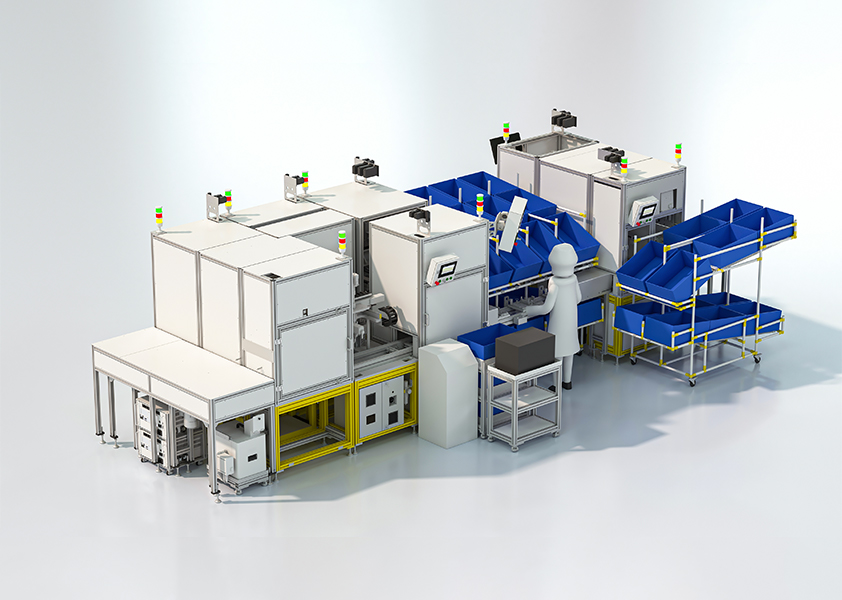
Problem first: Why installations stall
The root problem is a mismatch between motion and intention: conveyors move like a well-rehearsed kitchen line, but transfer stations and controls arrive out of sync, creating jams, bruised pallets, and lost takt time. I speak from more than fifteen years on production floors where I learned the tastes and smells of a good line. Early on, I saw projects that glossed over material flow and later blamed PLC code. If you’re working in automotive automation, automotive automation often surfaces as a catch-all, but the real failure is usually a planning gap between mechanical layout and control logic.
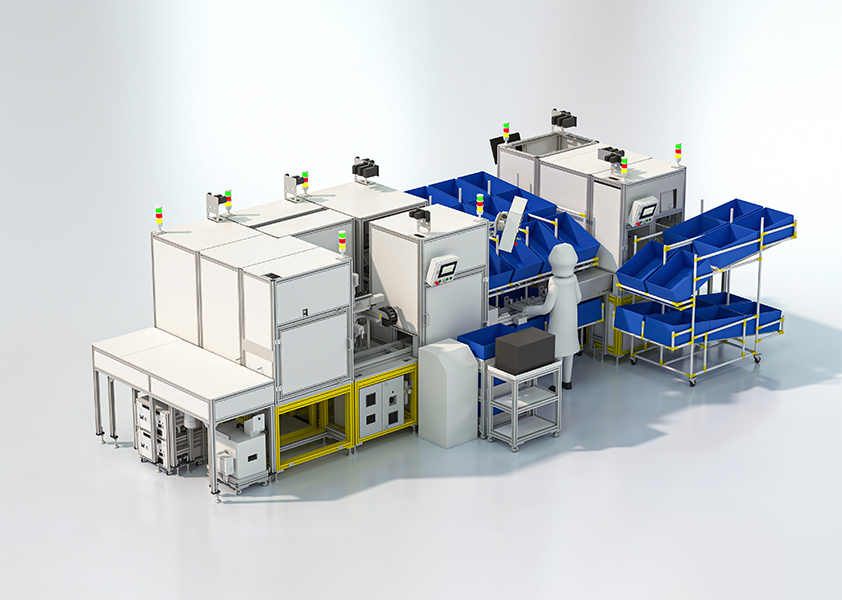
Sensory diagnosis: read the line like a chef reads a sauté pan
Listen for rhythm: a conveyor should hum with predictable cadence. Look for bruising, scraping sounds, or pallets that rotate unexpectedly. Smell tells you lubrication problems or overheated bearings long before the line stops. Those clues point to specific pain: poor transfer geometry, wrong roller friction, mismatched motor torque, or control deadbands that let pallets drift. Fix the cause, not the symptom.
Core causes and consequences
Common faults repeat across sites. Identify them quickly:
- Incorrect transfer angles that torque pallets and misalign parts.
- Speed mismatch between conveyor segments that creates collisions at accumulation zones.
- Lack of reliable pallet identification causing misrouted loads at diverters.
- Control networks with latency that let PLCs make decisions on stale data.
Consequences are tangible: increased scrap, operator interventions, higher labor touchpoints, and unpredictable cycle times. In Detroit and similar automotive corridors, suppliers that solved these early enjoyed measurable uptime gains; teams that ignored them rebuilt lines mid-production.
Plan like a line cook: tangible steps before you wire the first sensor
Design with a recipe mentality—measure, mock, taste, adjust. Use this sequence:

- Map the physical flow: pallet orientation, mass, footprint, and how parts are loaded/unloaded.
- Define transfer geometry on paper. Sketch radii, stopping zones, and push-off angles. Mock with plywood or CAD before steel arrives.
- Specify control sequencing and safe states. Pick sensors and actuators that give headroom, not borderline readings.
- Simulate timing. Run a simple digital twin of conveyor segments and transfer events to spot collisions.
- Plan for diagnostics: incorporate event logging, speed readouts, and simple HMI cues so technicians can ‘taste’ problems on the first day.
Control systems: keep the rhythm, avoid stutter
Controls must be predictable. Treat the PLC strategy as the sous-chef that enforces rhythm. Use distributed IO near actuators to cut wiring length and latency. Architect fail-safe states explicitly and test them on the bench before commissioning. When integrating plant-level MES or higher-level scheduling, verify data timeliness; stale state changes create phantom pallets and bad decisions. For projects that touch automotive lines specifically, reference accepted practices for line safety and sequencing; manufacturing automation for automotive assembly often requires deterministic control and robust part tracking.
Common pitfalls and how to avoid them
Teams trip over the same stones. Avoid these errors:
- Buying cheapest conveyors without checking torque or start/stop profile—motors must match inertia.
- Under-specifying transfer actuators; a weak pusher causes slip and rotation.
- Ignoring sensor placement—reflective floors, pallet gaps, and mounting vibration change sensor returns.
- Skipping dry runs with inert pallets; live commissioning without test cycles reveals the worst surprises.
Practical checklist for commissioning
Use this checklist on day one of commissioning:
- Mechanical alignment verified within tolerance; transfer planes square to conveyor flow.
- Speed matching validated under load; measure with tachometer at multiple points.
- Control deadbands tuned so accumulations register reliably without chatter.
- Emergency stops and safety interlocks tested and logged.
- Operator HMI shows pallet IDs, position, and last three events per zone for quick troubleshooting.
Alternatives and trade-offs
Sometimes the simplest fix beats a full redesign. Replace a problematic transfer with a passive gravity chute if layout allows. Choose motorized live roller sections where variable speed matters. Diverters with mechanical valves are cheaper but slower; pneumatic pushers are fast but need compression maintenance. Decide by measuring cycle sensitivity: if a 0.2-second delay matters, invest in active devices and faster networks.
Final synthesis: the taste of a well-integrated line
A line that moves like a practiced brigade has fewer surprises. Plan transfers and controls together, test with realistic loads, and bake diagnostics into the system. My field experience and work around major automotive hubs taught me to prioritize tangible checks over polished presentations. The result is predictable throughput, fewer emergency fixes, and clear data for continuous improvement—outcomes that teams find when they trust precise planning and the steady hand of partners such as FHS.