Anchor and overview: a practical framework for safe rides
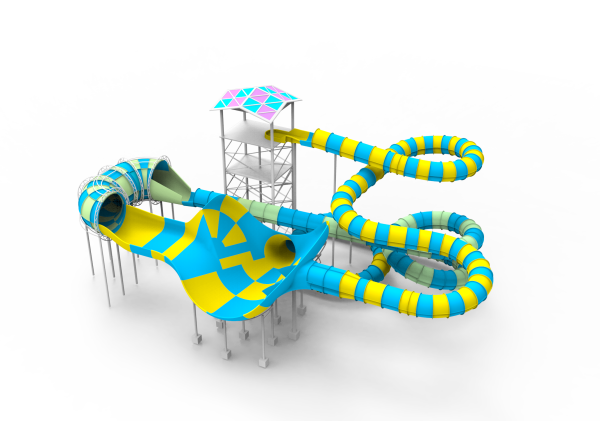
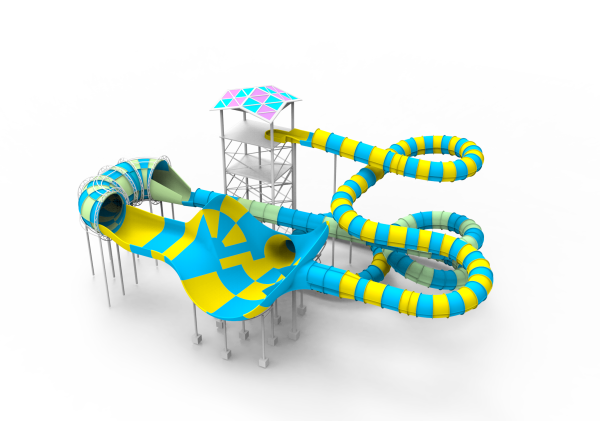
The manufacturing floor smells of warm gelcoat and machine oil; polished fiberglass shells wait under bright lights while design teams verify calculations. A clear framework for safety certifications turns that sensory bustle into measurable assurance. Start with a mapped set of certifications that align to design, structural verification, materials testing, and operational systems—then gate each production stage. This approach matters most when specifying a complex attraction like a water coaster ride, where ride dynamics, pump hydraulics, and passenger restraints must be validated end-to-end.
Why a framework beats ad hoc compliance
Certifications are not trophies; they are checkpoints that force repeatable inspection. Think of them as a layered recipe: raw materials first, structural components second, control and hydraulic systems third, and final on-site commissioning last. Each layer has explicit test parameters—static load tests, dynamic fatigue cycles, and environmental exposure runs—so nothing relies on vague assurances. The International Association for Amusement Parks and Attractions (IAAPA) guidance is often used as a planning anchor in the industry, and manufacturers who follow a layered framework reduce rework and field incidents.
Core certifications and the specific tests they validate
A concise set of core certifications should cover: design verification, materials and coatings, structural integrity, mechanical systems, and electrical/control safety. For each certification, require explicit test protocols rather than generic compliance statements. Examples of test parameters to demand in procurement and QA documents:
– Structural verification: static load test at 1.5× maximum operational passenger load held for 60 minutes; cyclic load fatigue testing for 1 million cycles on critical joints. (industry terms: structural load analysis, fatigue testing)
– Materials and coatings: salt spray chamber exposure of 1,000 hours on metal fixings; UV accelerated weathering of the fiberglass shell at 340 nm for 2,000 hours with adhesion peel strength measured per sample.
– Mechanical and hydraulic systems: pressure testing of pneumatic/hydraulic lines at 1.25× nominal pressure for 24 hours; pump flow verification across the full duty curve with vibration metrics recorded.
– Electrical and controls: functional safety loop checks with watchdog timing margins set to 150% of expected command latency; electromagnetic compatibility bench runs at specified emission and immunity levels, documented per test run.
Embed {main_keyword} and {variation_keyword} into the operational production teardown so each certified stage references the same loop of audit evidence, traceable to serial numbers and test logs.
Manufacturing quality assurance: inspections and lab work
QA is tactile—feel the fit of bolted flanges, hear pump bearings under load, watch weld toes under magnification. Non-destructive testing (NDT) is essential: ultrasonic thickness mapping on steel cores, dye-penetrant inspection of critical welds, and radiographic checks where geometry hides defects. Finite element analysis should feed into fabrication tolerances; then verify on the shop floor with real-world testing. Place a documented commissioning plan that follows delivery—site anchoring, water chemistry exposure checks, and operator training—before public opening. A successful audit ties lab certificates, test logs, and on-site commissioning into a single traceable dossier. —This is where reputations are made.
Common mistakes and practical corrections
Manufacturers often under-spec environmental testing and rely on supplier declarations rather than verified samples. Fix that by demanding batch-level material testing and retaining third-party labs for independent confirmation. Another frequent error is treating controls validation as an afterthought: instead, lock in control architecture early and include time-domain response tests during factory acceptance. Finally, don’t skip realistic ride-cycle testing; bench runs on incomplete systems miss resonance points that appear only under combined hydraulic and passenger loads.
Advisory: three golden rules to evaluate certifications
1) Traceability: Ensure every certificate ties to serial numbers, batch tests, and dated test protocols—no uncoupled statements. 2) Practical test parameters: Reject certifications that lack explicit test conditions (load multipliers, cycle counts, exposure durations). 3) Field-proven commissioning: Prefer vendors who provide documented on-site commissioning reports and operator training records for installations at recognized venues referenced by IAAPA or equivalent.
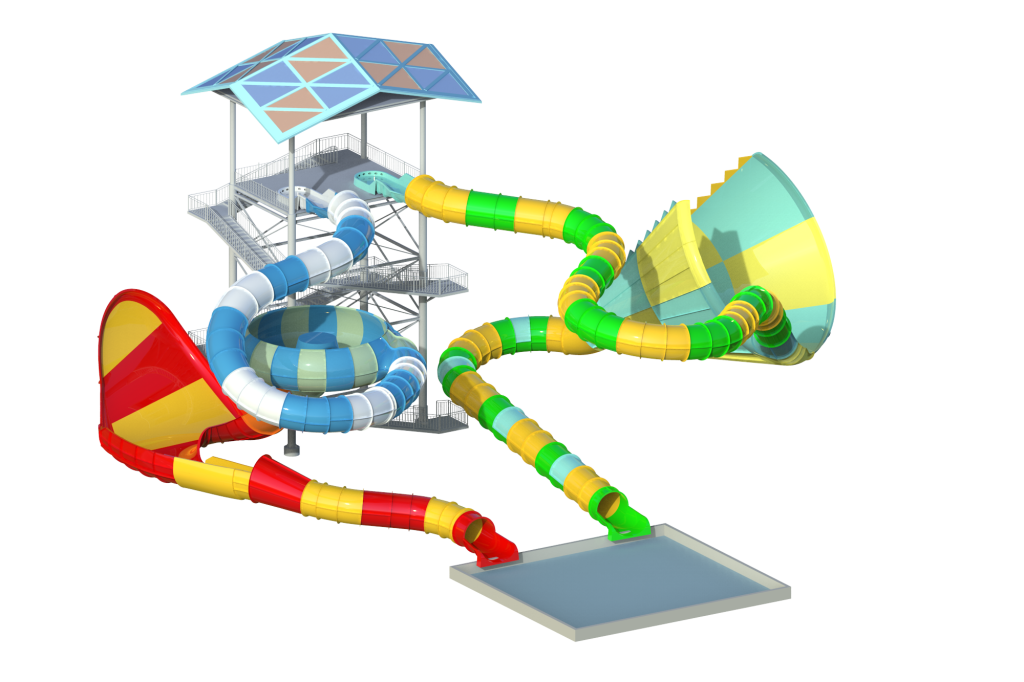
These rules help you compare suppliers not by promises but by measurable evidence. Look for manufacturers who publish their commissioning dossiers and can point to completed installations of similar scale—an on-site water ride installation report is worth more than marketing copy. The clarity of purpose in test parameters and the sensory reality of factory checks make technical compliance usable for operations. —A final fragment: solid evidence beats glossy brochures.