Introduction: Seeing the Light Before You Choose
Start with clarity. Picture a quiet showroom, a ring tray, and two people trying to name what their eyes feel but can’t yet say. In the next room, someone mentions lab grown diamond engagement rings and a price that actually makes sense. Market reports suggest a sharp rise in lab-grown center stones, especially in city boutiques, and many buyers say they care more about beauty than origin. Yet the real puzzle is this: how do you compare shapes, specs, and light in a way your heart and mind both trust (without getting lost in charts)? Direct questions help. What shape suits your life? Which details make sparkle last beyond the first glance? And when budget meets ethics, which trade-offs are real, and which are myths? We will use a calm lens here—thoughtful, but clear—and look at what matters for radiant cuts, step by step. Let’s set a baseline, then move to smarter comparisons.

Radiant Cut, Real Trade-Offs: What You Don’t See at First
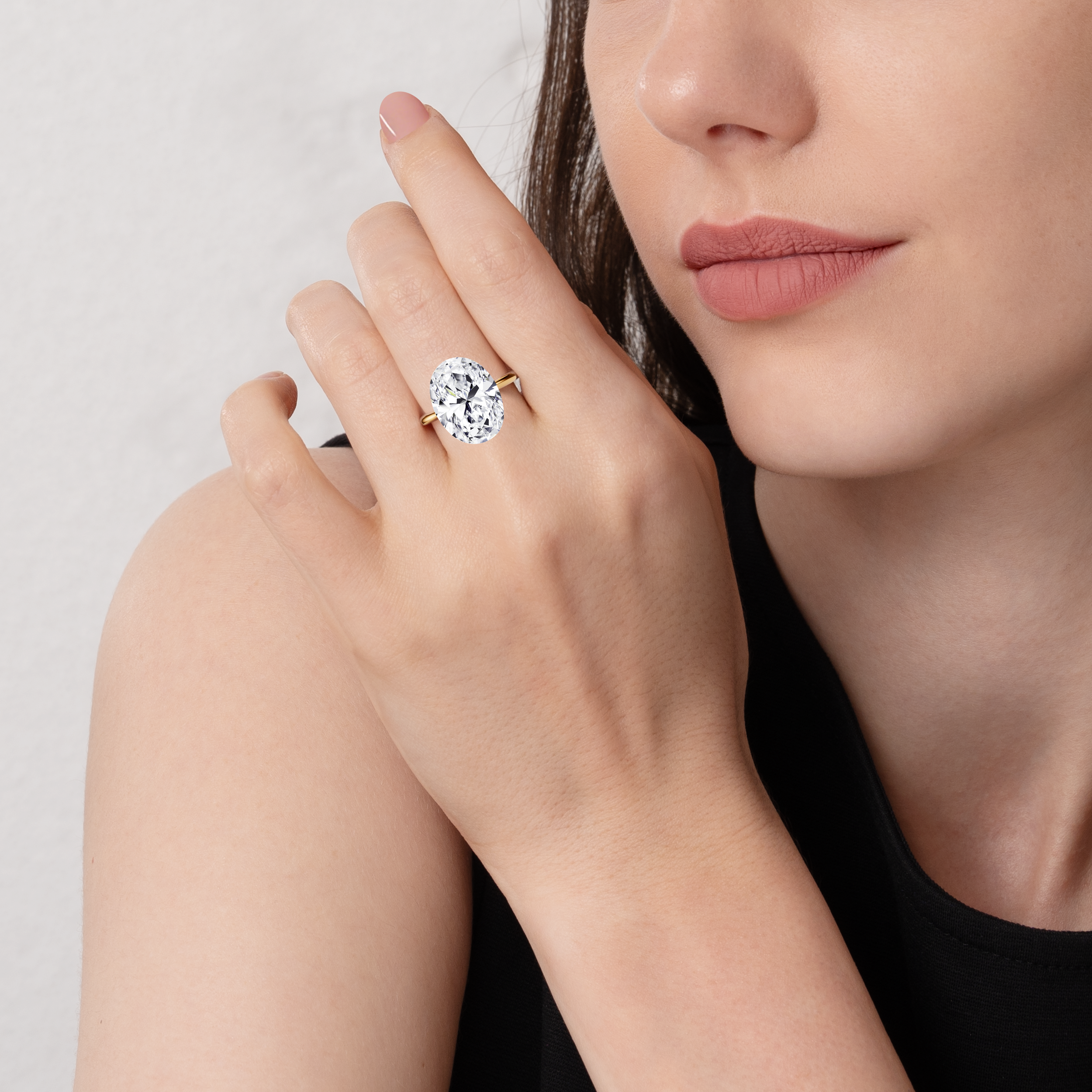
The focus today is radiant cut engagement rings, because they play by slightly different rules than rounds. Radiants blend brilliant-style facets with a rectangular outline, which changes how light return works across the table and corners. Many guides lean on the 4Cs, but radiant performance also depends on table percentage, crown angle, and pavilion depth. Here is the catch: published “ideal ranges” for radiants are not as strict as for rounds—funny how that works, right? That means the same color and clarity grade can look very different on the hand. A stone with better cut symmetry can show stronger scintillation, even if the numbers on paper look similar. And yes, fluorescence can help a near-colorless stone look a touch brighter in daylight. Look, it’s simpler than you think—if you trust what your eye sees and test stones side by side under neutral light.
Why do specs fail the eye?
Traditional checklists miss hidden pain points. Corners on a radiant can leak light if pavilion mains are too deep, while a thick girdle adds weight but not face-up size. Lab-grown stones add another layer: CVD growth tends to yield Type IIa crystals with fewer nitrogen impurities, which can push clarity up and reduce strain. HPHT goods may show different growth patterns and strain lines under spectroscopy. None of this is “bad,” but it changes how the stone behaves in mixed lighting. So, rather than chase a “perfect” number, compare real-life scenes: indoor LEDs, a window, and soft evening lamps. Note fire at the corners, the pattern under the table, and how the center doesn’t go dark when you tilt it. Those moments tell the truth faster than any spreadsheet of grades.

Side-by-Side: Today’s Tech and Tomorrow’s Glow
Let’s go forward-looking and technical for a moment. Modern CVD reactors grow diamond layer by layer, then post-growth annealing refines color and reduces defects. HPHT methods use high pressure and temperature to form crystals fast, then careful cooling improves lattice stability. These principles are not just lab talk—they change your viewing experience. Lower strain and clean growth can make contrast patterns crisper in a radiant, sometimes giving the face-up look of a higher color grade. Pair that with honest cut symmetry and you get steadier light return across the center. Try this next time: view a radiant next to a classic solitaire engagement ring in round brilliant. You’ll see how radiants paint light in broader strokes, while rounds flash in tighter, faster bursts. Different messages, same canvas.
What’s Next
We’re entering an era where tools catch up to taste—ASET-style mapping for radiants, better strain imaging, and clearer reports on crown angles and pavilion depth. Expect retailers to show more daylight videos and less studio gloss. That shift matters. It means you can judge how a lab-grown radiant holds sparkle on a rainy morning, not just under jewelry lights. Summing up the path so far: specs guide, eyes decide; corner integrity and table percentage shape the look; growth method (CVD vs HPHT) can tune clarity and glow; and small choices like girdle thickness and fluorescence affect daily wear. The future outlook is simple and kind: better data, less doubt—and more rings that feel like you. Odd, but true.
How to Choose with Confidence
Advisory close—three metrics to trust when you compare. First, Light Behavior: view stones in three scenes (window daylight, warm indoor lamp, and diffused LED) and watch for even brightness, no dead center, and lively corner fire; this checks cut symmetry and scintillation. Second, Proportions and Build: aim for balanced table percentage and crown angle, a non-bulky girdle, and pavilion depth that avoids windowing; ask for any ASET-style or performance images. Third, Growth Clarity and Stability: note whether the stone is CVD or HPHT, ask about post-growth annealing, fluorescence, and any signs of strain; choose what looks calm and bright to your eye, not just what a report lists. Keep it human—your hand, your light, your life. For a grounded place to start, explore designs and technical details at Vivre Brilliance.