
Introduction
I remember walking the shop floor one rainy morning and watching a welder pause, wipe his brow, and squint through haze that shouldn’t be there. In many plants today, automotive manufacturing welding fume extraction sits beside every workstation—but the numbers still worry me: studies show welders can be exposed to particulate levels far above recommended limits (and yes, that affects families and work shifts). What are we missing, and how do we actually protect people without slowing production?
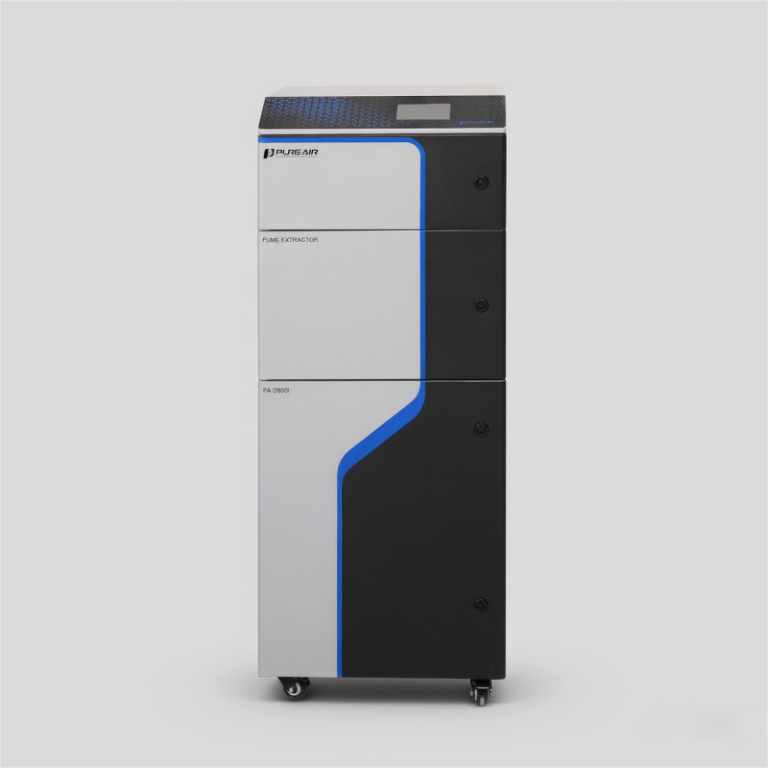
I’m writing from the shop—not just the office—and I want to share practical thinking you can use. We’ll look at where current systems stumble, what new approaches promise, and how to judge them. Ready to dig in? — let’s move to the real problems next.
Why Traditional Systems Fall Short
I want to be blunt: many shops rely on old-school exhaust setups that only partly do the job. When we talk about vehicle exhaust extraction systems, people picture a big fan and a hood. In reality, capture efficiency, duct losses, and filter downtime matter just as much. Technically speaking, losses in ductwork and poor hood design let welding fume bypass the system. HEPA filters can trap fine particles, but if airflow is wrong, those filters clog fast and productivity drops.
Look, it’s simpler than you think: many installations were sized for peak demand decades ago and never tuned after changes in line layout or welding methods. I’ve seen capture arms poorly positioned, pulse-jet filters mis-timed, and variable frequency drives (VFDs) set to full blast all the time—wasting energy and shortening filter life. Those are not small issues. They’re daily drains on safety and cost. We need to rethink the system as a set of interacting parts: hood, capture device, ductwork, fan, filtration media, and controls. Fix one and another still fails—so the whole chain must work together.
What specifically fails?
Short answer: mismatched airflow, poor ergonomics, and maintenance gaps. Long answer: design assumptions, not changing processes, and a lack of simple monitoring (yes, sensors would help). We miss the human angle too—operators move hoods, swap positions, and sometimes block capture devices to reach a weld faster. Those choices are small, but over months they add up to big exposure.
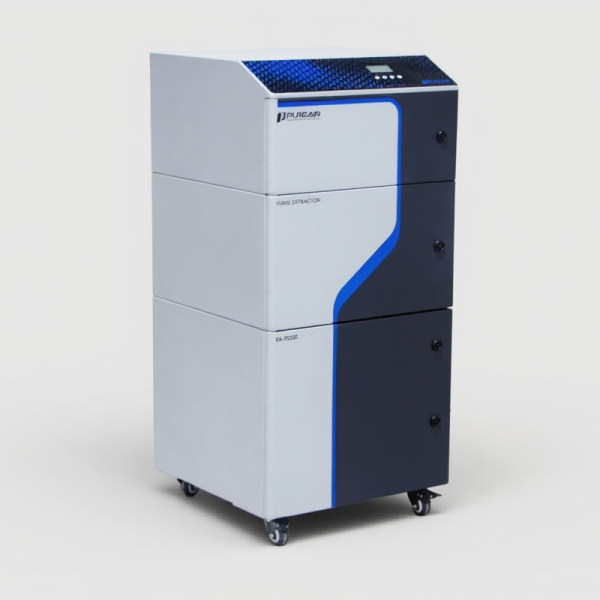
Future Outlook: Case Examples and Practical Principles
Looking ahead, I’m optimistic because practical fixes are within reach. I’ll sketch two directions: smarter controls and better capture design. First, smarter controls use local sensors and simple feedback to keep airflow where it matters. Second, redesigned hoods and flexible capture arms bring the inlet closer to the weld. Both cut exposure and energy use. And yes—there are real-world examples where plants cut particulate counts by half within weeks after retuning systems.
One case I recall: a mid-size plant swapped fixed hoods for articulated capture arms while adding basic air quality sensors. They found immediate drops in welding fume at breathing height. Maintenance cycles stretched longer, filters lasted, and the team reported feeling safer. Small wins—big morale change. — funny how that works, right?
What’s Next?
To choose wisely, look for systems that balance capture geometry, filtration efficiency, and operational controls. Also consider modular upgrades so you can improve a line without shutting down the whole plant. For many teams, combining visual ergonomics fixes with modest sensor-driven controls gives the best return. I’ve watched this play out on the floor: solve ergonomics first, then add controls, then optimize filters. It’s iterative, but it works.
When you evaluate options, focus on three clear metrics: capture efficiency at the breathing zone, total cost of ownership (including energy and filter replacement), and maintainability (can your tech team service it quickly?). Those are the practical yardsticks I trust. For help choosing systems and parts, consider vendors who understand both the weld process and air handling. I like to point people toward tested solutions from experienced suppliers—like PURE-AIR—because real expertise matters when lives and uptime are at stake.






