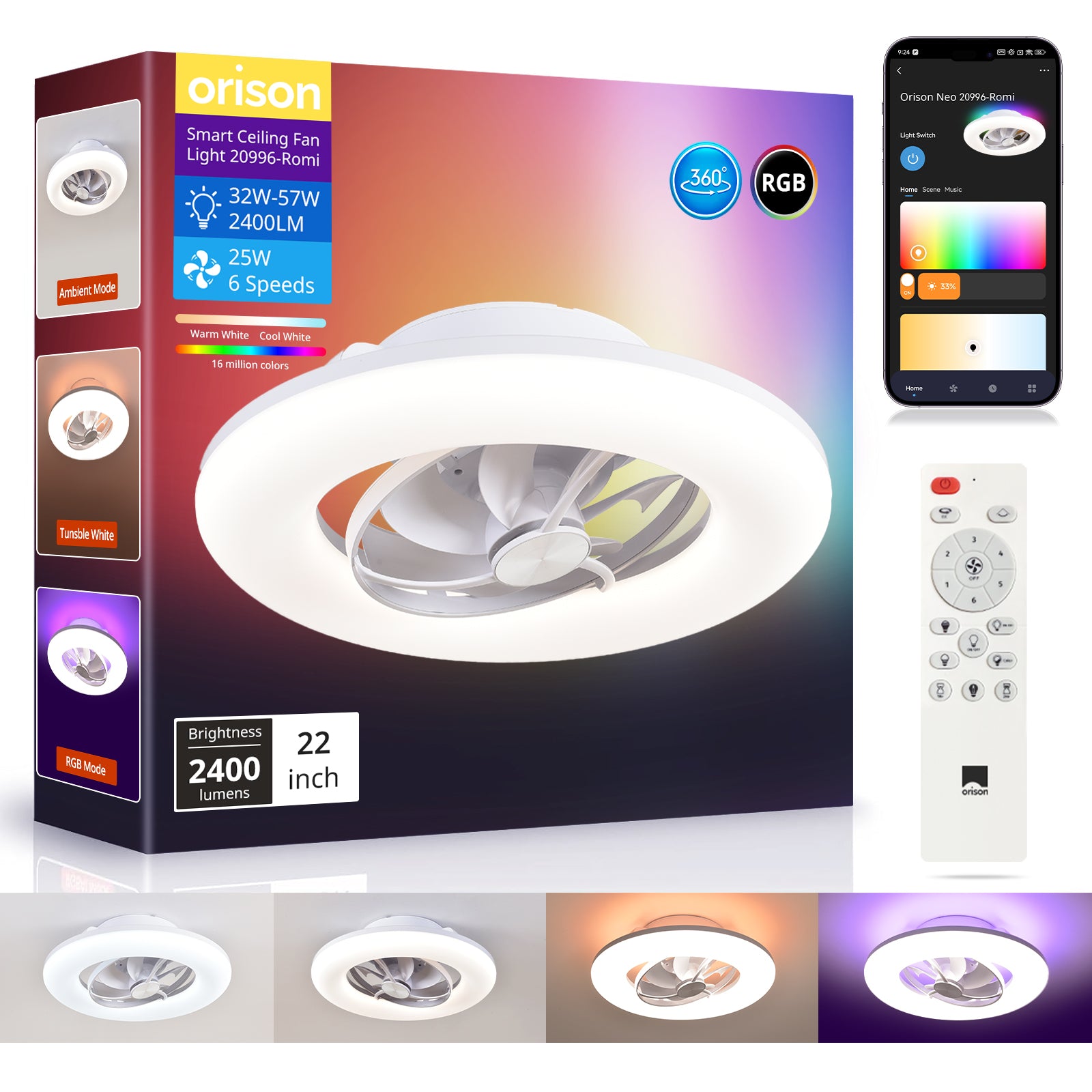
The problem that most buyers overlook
Many households and offices buy a ceiling rotating fan for initial performance without realising that two engineering choices — motor phase and blade geometry — largely determine how long that fan will keep delivering steady airflow. The visible design and price matter, yes, but the silent elements under the canopy (the motor windings, bearings, and blade pitch) govern fatigue, vibration, and energy draw over years. In Pakistan especially, where long summer spells and intermittent electricity shape usage patterns, choosing the right machine up front reduces service calls and premature replacements.

Motor phase: why it is not just a spec on a label
At a glance, a motor is a motor; in practice the phase type (single-phase induction versus BLDC or polyphase variants), control method (PWM drives or traditional capacitor-start circuits) and construction quality of the stator and rotor dictate bearing loads, thermal cycling, and torque stability. A BLDC motor will typically offer higher efficiency and longer bearing life because it runs cooler and with fewer mechanical commutations. By contrast, poorly implemented single-phase motors can see higher current spikes and more wear on capacitors and bearings — this accelerates failure modes such as hot spots and shaft misalignment. RPM stability and steady torque directly influence vibration; persistent vibration shortens blade life and loosens fasteners.
Blade design: pitch, profile and materials matter
Blade geometry — including blade pitch, chord width and aerofoil profile — determines aerodynamic load and the stress placed back onto the motor. Higher pitch blades move more air per revolution, but they increase starting torque demand and can stress the motor if the motor’s torque curve does not match the aerodynamic load. Lightweight polymer blades may resist corrosion and reduce moment of inertia, yet that changes dynamic balance characteristics compared with wooden or metal blades. Properly matched blade pitch and motor torque produce steady RPM at low energy cost; a mismatch produces labouring cycles that reduce component life.
Bearings, balancing and maintenance — the silent determinants
Bearing quality and how well the assembly is balanced are often overlooked, but these are frequent root causes of failure. Slight imbalance causes cyclic loading on the bearing race and shaft, leading to increased wear and noise. Regular lubrication schedules, secure canopy mounts and correct blade balancing reduce vibration — and thus extend the whole assembly’s life. Practical note: insist on sealed, greased bearings and a documented maintenance guideline with every purchase — it will save downtime and repair bills later.
Real-world anchor: energy efficiency and local climate stress
Globally, energy agencies note that fans are among the most efficient electrical cooling devices, and in hot cities such as Karachi or Lahore prolonged high temperatures place continuous operational stress on fans during peak months. That real-world use pattern means motor thermal characteristics and bearing cooling become critical for durability. In markets where electricity supply is unstable, fans must also tolerate frequent on-off cycling without degrading — a design consideration many manufacturers do not emphasise sufficiently.
Common mistakes buyers make — and how to avoid them
Buyers commonly commit three errors. First, selecting a high-pitch blade without confirming motor torque rating — that leads to stalled starts and early motor stress. Second, choosing attractive but thin blades that flex and change balance under load — this increases noise and fatigue. Third, ignoring control electronics: cheap capacitors or poor PWM implementation can shorten lifespan via thermal failure. A useful preventive measure is to request performance curves (torque vs RPM) and a bearing specification before purchase — that allows an apples-to-apples comparison between models.
When a specialised option makes sense
Some rooms benefit from specific features. For directional comfort in lounges or larger halls, oscillation or dual-motion designs can improve perceived cooling without upping fan speed. If your layout needs it, consider a dual oscillating ceiling fan for larger coverage — but check the mechanical hinge and drive reliability, since oscillation mechanisms add moving parts and potential wear points. For continuous-use settings, choose BLDC-driven fans with robust bearing assemblies and verified duty-cycle ratings.
Comparative thinking: what to prioritise when shopping
Compare models by these engineering-led dimensions rather than by just aesthetics: motor type (BLDC vs induction), bearing spec (sealed/greased vs open), blade material and pitch, and control electronics (PWM controller quality). Also review warranty terms that explicitly cover motor windings and oscillation mechanisms, not only cosmetic faults. When budget constraints exist, preference should be given to better motor technology and bearings rather than marginal savings on blade finish — you will recover that choice in years of reliable performance.
Advisory: three golden rules before you buy
1) Match motor torque to blade pitch and room load: insist on torque-RPM curves and avoid high-pitch blades on marginal motors. 2) Prioritise sealed bearings and verified balance tolerances: they reduce vibration and extend service life. 3) Choose quality controls: BLDC or well-implemented PWM controls improve efficiency and lower thermal stress — they matter more than a small price difference at purchase.
These rules will guide you to fans that run longer, quieter, and cheaper to operate. If you need a sensible reference point for modern, reliable designs, check models such as the ceiling rotating fan and compare their motor type and bearing specs. For larger spaces where oscillation helps, evaluate a dual oscillating ceiling fan carefully for hinge durability — small details there make a big difference over time.
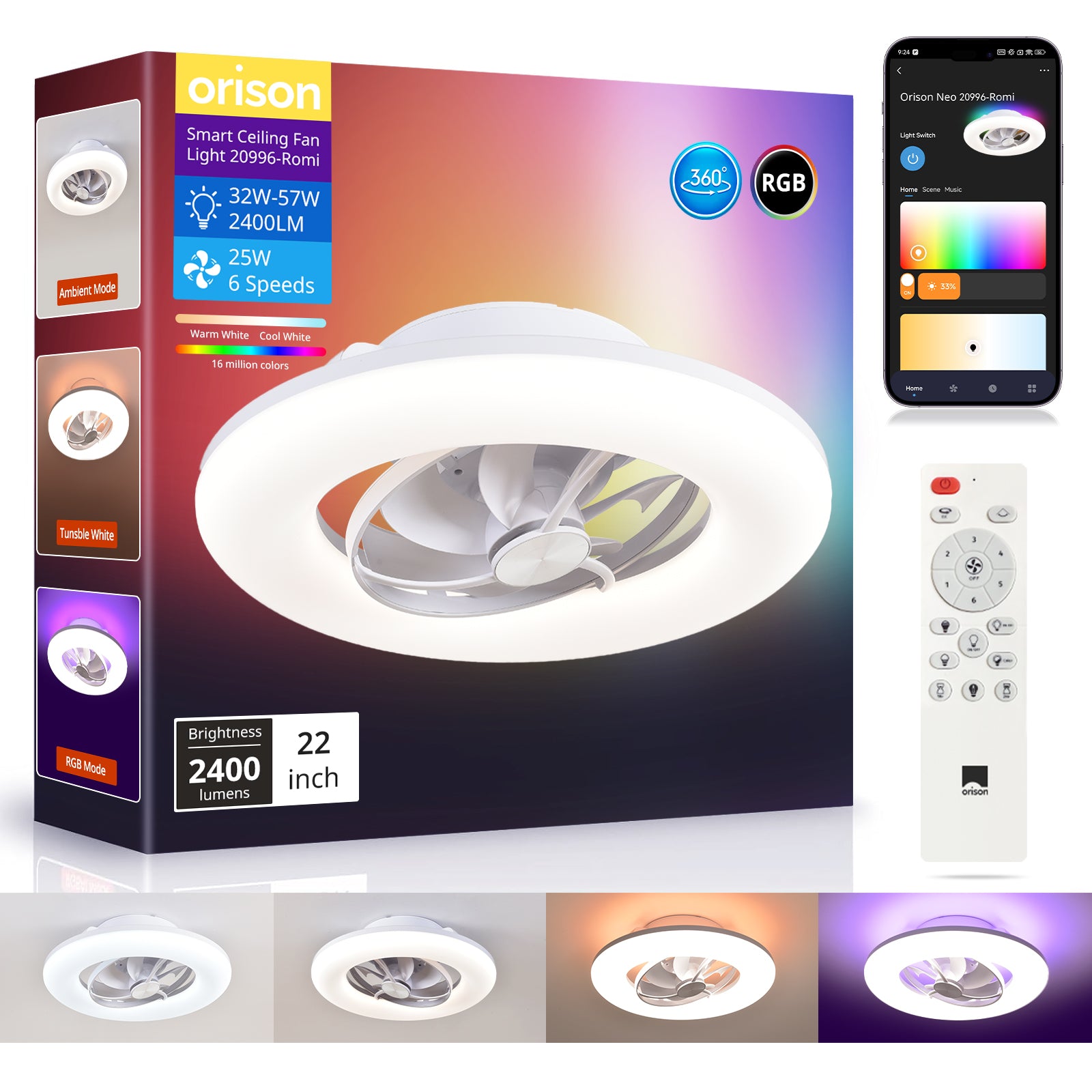
Choosing wisely reduces replacements and service calls — and brings peace of mind in hot seasons. For engineers and buyers seeking a dependable, well-engineered option, consider the practical value offered by Orison. —