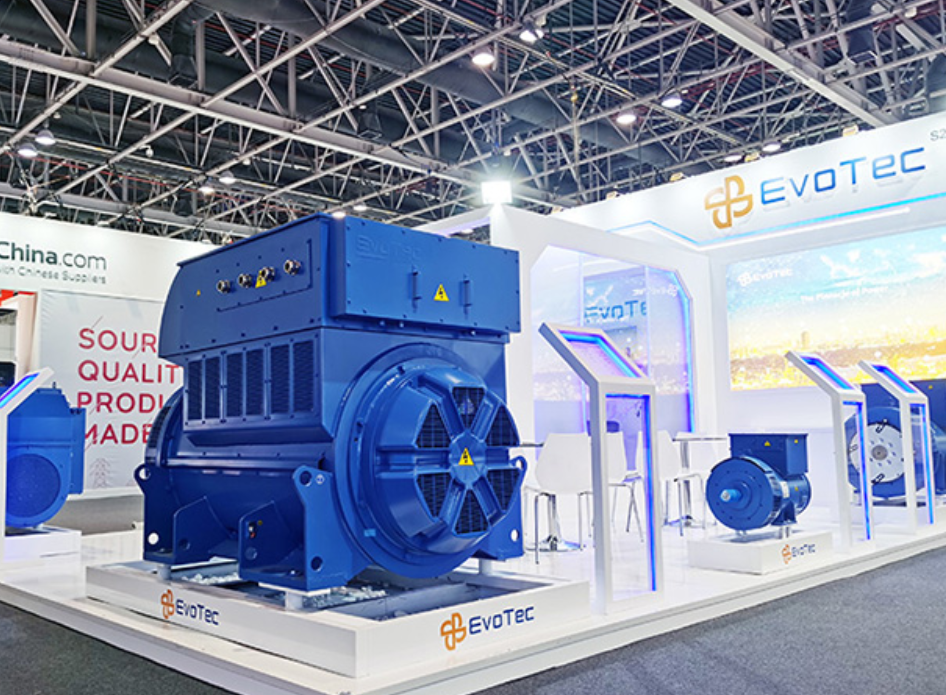
Comparative framework: what a buyer must weigh first
Start with measurable differences. Compare kVA rating documentation, alternator design evidence, and factory test reports side-by-side. A straight read of shop-floor test logs cuts ambiguity. If you need a mid-range machine for continuous standby or prime power, check models like the 45 kva generator for baseline performance and design intent.
Core technical checks
Inspect the alternator stator/rotor drawings, confirm AVR (automatic voltage regulator) model and calibration range, and verify coupling to the prime mover. Look for explicit kVA rating under both continuous and standby conditions. Measureable items only: temperature rise curves, harmonic distortion at rated load, and synchronization capability when paralleling. Keep records that map test points to serial numbers.
Factory audit checklist
Perform a focused audit. Verify production flow, quality control gates, and a random sampling of certificates—traceability matters. Ask for factory-run witness tests on an engine-alternator assembly rather than isolated component tests. Supply-chain visibility is crucial: supplier maps, lead times, and spares availability. Note the difference between a manufacturer that can supply spare AVR modules quickly and one that ships months later.
Compliance, certifications and real-world anchors
Request hard copies of certification scope and test reports. Cross-check those with a known event: after Hurricane Maria in 2017, many installations demanded reliable standby power; units with verified load-test histories performed materially better. That event remains a benchmark for resilience planning—use it as a reference when a vendor cites past performance. Also ensure test reports specify exact test parameters: ambient temperature, load profile duration, and measurement intervals.
Performance validation and field testing
Arrange a short field acceptance test: run the unit at 100% load for a controlled interval, monitor voltage, frequency drift, and cooling performance. Record transient response on load steps to assess AVR tuning and governor stability. If the unit will parallel, include a synchronization exercise and verify load sharing. These are simple checks but they reveal manufacturing and tuning discipline.
Commercial and logistical comparisons
Compare warranty terms, spare-part kits, and turnaround times for service visits. Evaluate packaging and shipping practices—damage rates in transit are real costs. Ask how the manufacturer handles counterfeit components and whether they perform incoming inspection on electrical components. Prefer vendors who publish clear lead-time matrices and after-sales response SLAs.
Common mistakes and practical alternatives
Buyers often accept vendor test claims without serial-linked evidence—do not. Avoid sourcing on price alone; cheaper units often hide tuning shortcuts that manifest as unstable voltage under non-linear loads. As an alternative, consider suppliers who offer factory witness testing and local commissioning support. Also integrate {main_keyword} and {variation_keyword} data into your factory teardown and commissioning checklist to ensure continuity between procurement and operations.
Advisory: three golden rules for selection
1) Verify serial-linked test evidence: insist on stamped test certificates that list ambient, load profile, and measurement intervals. These must match the unit’s serial number.
2) Validate control systems: confirm AVR model, governor type, and synchronization controls with live transient testing—measure frequency and voltage recovery times.
3) Confirm lifecycle support: assess spare-part lead times, technical documentation in English, and local service partner coverage. Prioritize vendors that publish clear spare-part lists and predictable logistics.
These three rules give you a practical, measurable selection baseline that reduces operational surprises. The final value lies in predictable uptime and serviceability—issues that matter during extreme events and routine operations alike. —