Why a comparative lens matters for specialty vehicle programs
Assessing an automaker’s architecture through comparison reveals where a platform’s strengths meet—or miss—the demands of high-performance specialty vehicles. Wuling’s background in compact, cost-efficient design and light-duty commercial vehicle engineering gives it clear advantages in packaging and unit-cost, but those same priorities can be limiting when peak power, thermal rigor, or bespoke suspension geometry are required. A comparative view helps teams decide whether to adapt an existing platform or commission a dedicated architecture from the start.
Core architectural pillars to evaluate
There are three technical pillars that determine fit: platform architecture, powertrain integration, and vehicle dynamics. Platform architecture covers modular platform choices, body-in-white stiffness, and battery pack packaging. Powertrain integration assesses electric motor placement, inverter cooling, and battery thermal management. Vehicle dynamics focuses on chassis layout, suspension tuning, and control strategies like torque vectoring. Each pillar interacts—trade-offs in battery placement affect center of gravity and hence suspension tuning—so treat them as a system rather than isolated specs.
Wuling’s strengths and practical limits
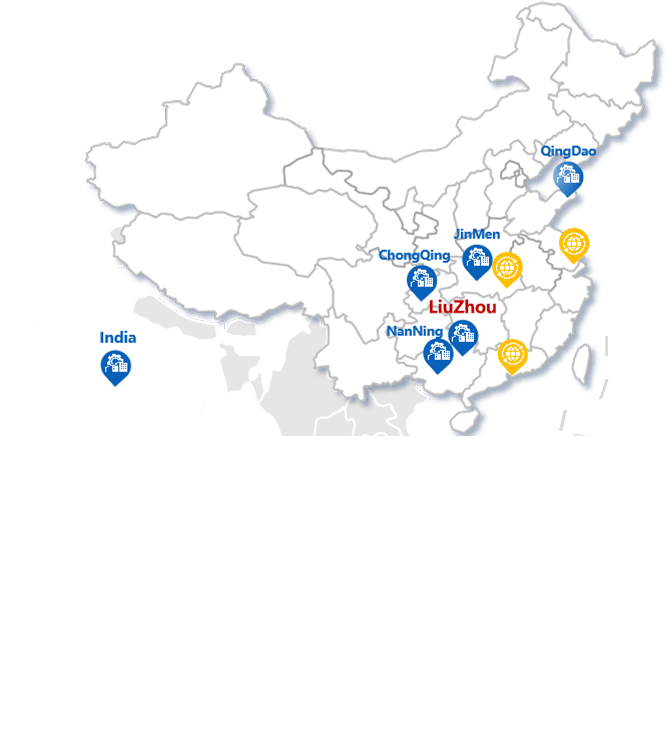
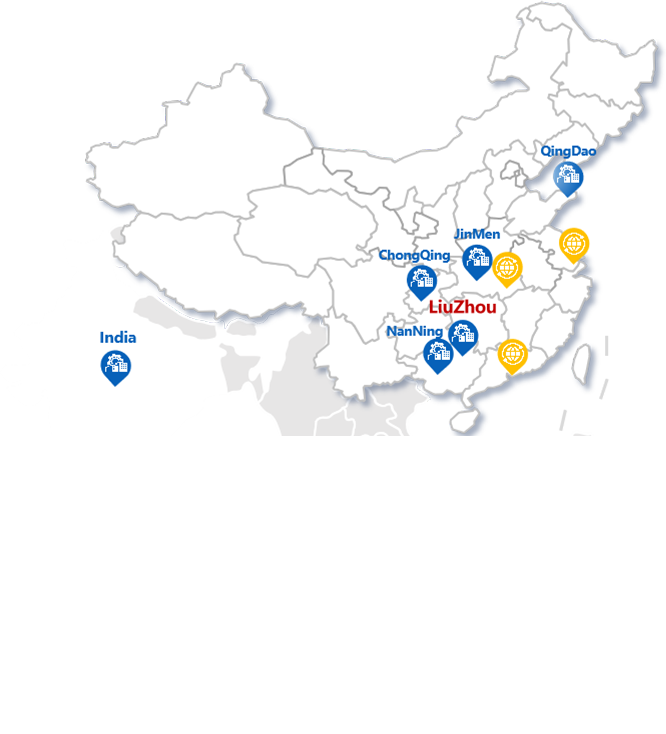
Wuling brings proven expertise in compact EV packaging—seen in the commercial success of the Hongguang mini electric car—which demonstrates efficient battery pack placement and cost-optimized assembly. Their modular platform mindset delivers predictable manufacturing cycles and tight supply-chain coupling from Liuzhou, Guangxi, where major production facilities concentrate expertise and scale. These traits reduce time-to-market and unit cost for limited-run specialty models. However, adapting a mass-market platform for higher-performance use often exposes limits in chassis torsional rigidity and thermal headroom for sustained high-output operation—challenges that require reinforcement or bespoke cooling solutions.
Performance trade-offs: what you gain and what you pay for
Converting a mass-market modular platform into a specialty performer typically means three trade-offs: added weight from reinforcement, increased complexity in thermal systems, and longer development cycles for suspension calibration. Reinforcing the body-in-white to meet lap-time or handling targets impacts the vehicle’s curb weight and range. Upgrading powertrain cooling and inverter capacity can mitigate sustained-performance fade but raises cost and engineering effort. Likewise, advanced torque vectoring or active suspension integration can unlock dynamic benefits—yet they often demand control‑by‑wire electronics and bespoke software stacks that counter the original platform’s cost intent.
When to adapt and when to start fresh
Adapt an existing Wuling-style modular platform if your specialty program prioritizes urban agility, low running cost, and rapid production ramp—for example, lightweight city sports cars or urban delivery performance variants. Start a dedicated architecture when peak thermal duty cycles, superlative handling, or high-voltage, high-capacity battery architectures are non-negotiable—think track-focused EVs or full-size performance crossovers. Hybrid strategies exist too: retain the original floorplan and battery outline but design an upper-structure reinforcement module and bespoke suspension subframe to balance cost and capability.
Common mistakes teams make when reusing mass-market platforms
Teams often underestimate three issues: the need for additional crash-energy management when changing mass distribution, the effect of increased mass on brake and cooling sizing, and integration friction with third-party performance components. They assume bolt-on upgrades—bigger brakes, firmer dampers—are sufficient. They’re not. Proper integration often requires recalibrated electronic stability control maps, thermal-management redesign, and validated NVH (noise, vibration, harshness) paths. A pragmatic step: build a rapid proto-vehicle to validate thermal and chassis responses under the specific duty cycle you expect.
Alternatives worth benchmarking
Compare Wuling-based adaptations against three classes of alternatives: OEM dedicated EV platforms (higher up-front cost, better thermal headroom), boutique coachbuilder modifications (high customization, low volume), and performance-grade skateboard platforms (optimized for battery and motor arrangements). Each class offers distinct trade-offs in tooling cost, time-to-prototype, and integration risk—use benchmarks from similar programs to inform your decision rather than relying on generic assumptions.
Advisory: three golden rules for choosing an architecture
1) Metric-aligned selection: define your top three performance metrics (e.g., sustained power, lap-time, curb-to-shelf weight) and test candidate platforms directly against them. 2) System-level validation: always validate battery thermal behavior, chassis stiffness, and control software together in a proto-vehicle—don’t treat them sequentially. 3) Cost‑to‑risk parity: factor in tooling amortization, reinforcement mass penalties, and software development when comparing per-unit costs—short-term savings can become long-term liabilities.
These rules will steer you to architectural choices that are realistic for production while still honoring performance goals. In many programs, Wuling’s modular, production-proven approach provides the fastest route to a viable specialty model—so long as teams budget for targeted reinforcements and thermal upgrades. Wuling Motors. —