Why a comparative lens matters for dispatching BTM assets
If you think orchestrating rooftop PV, a battery and a few smart loads is just “set it and forget it,” you haven’t met demand charges. Comparing orchestration strategies matters because the wrong one turns a clever solar battery storage install into an expensive paperweight. In practice the difference between simple time-based rules and an optimization-driven dispatcher determines whether you shave peaks or merely shuffle costs around — and yes, that directly affects a commercial site’s utility bill and ROI.

What we’re comparing (and why it hurts when you guess)
There are four practical orchestration archetypes worth comparing: rule-based peak shaving, scheduled cycling, predictive optimization, and market-responsive dispatch. Each claims to reduce demand charges; few deliver consistently. Key terms to keep in your head: peak shaving (duh), state of charge (SoC) management, and energy arbitrage when markets are involved. We’ll weigh each on predictability, complexity, and how reliably they target the utility meter’s peak demand window.
Head-to-head: patterns, pros, and performance
– Rule-based peak shaving: Simple thresholds trigger discharge when demand approaches setpoints. Pros: cheap, easy to audit. Cons: reactive; can deplete SoC at the wrong time. – Scheduled cycling: Pre-programmed dispatch around expected peaks. Pros: operationally predictable. Cons: inflexible when weather or loads deviate. – Predictive optimization: Uses forecasts (load, PV, prices) to plan dispatch for minimum demand charge exposure. Pros: best theoretical reduction. Cons: needs good data, reliable telemetry, and a competent dispatch algorithm. – Market-responsive dispatch: Balances demand-charge reduction with energy arbitrage or ancillary markets. Pros: revenue stacking potential. Cons: complexity multiplies and so do failure modes.
Real-world anchor: what California taught operators about orchestration
Remember California’s rolling blackouts and the infamous “duck curve” headlines? Those grid events exposed that behind-the-meter orchestration can’t be just about following the sun — it has to respond to grid stress and peak billing windows. Facilities that paired PV with a tuned hybrid approach avoided the worst billing spikes; those that relied on naive scheduling often hit costly peaks anyway. The lesson: the grid is messy and local demand charges reward precision over bravado.
When a hybrid energy storage system actually helps
Mixing technologies — battery plus thermal storage or a battery coupled with a generator — is where a hybrid energy storage system can shine. Hybrid setups let you reserve high-power discharge for short peaks while using slower, cheaper storage for baseline shifting. That combination improves ramp-rate handling and extends useful cycling windows without sacrificing SoC margins — and yes, orchestration software has to understand both energy and power constraints to exploit the combo well.
Common operator mistakes (and how to stop them)
Operators trip over the same issues repeatedly: mis-specified acceptance tests, ignoring inverter limits, or using a one-size dispatch rule. They also assume forecast models are perfect — cute. Practical fixes: insist on first-article tests with real site telemetry; model inverter clipping and ramp limits; and validate demand-response events against the actual utility meter, not just building submetering. A final pet peeve: letting SoC drift without guardrails — that’s how you find your battery at 5% when the afternoon peak hits.
Implementation checklist for a reliable dispatcher
– Baseline the meter-level load and identify billing peaks. – Confirm telemetry: true meter, inverter, battery SoC, and controllable loads. – Run side-by-side simulations for rule-based vs. predictive dispatch using historical data. – Pilot for one billing cycle, measure peak reduction and unintended rebounds. – Iterate controls and lock in acceptance criteria for commissioning.
Three golden rules for choosing an orchestration strategy
1) Metric-first selection: prioritize a strategy that demonstrably reduces the meter-registered peak during your utility-defined interval. Measure with the actual meter — not a fancy dashboard. 2) Resilience over glamour: prefer dispatch that respects SoC constraints and inverter power limits so you don’t trade a single bill drop for repeated outages. 3) Total-value lens: evaluate expected demand-charge savings plus potential revenue from arbitrage or DR versus implementation complexity and O&M overhead.
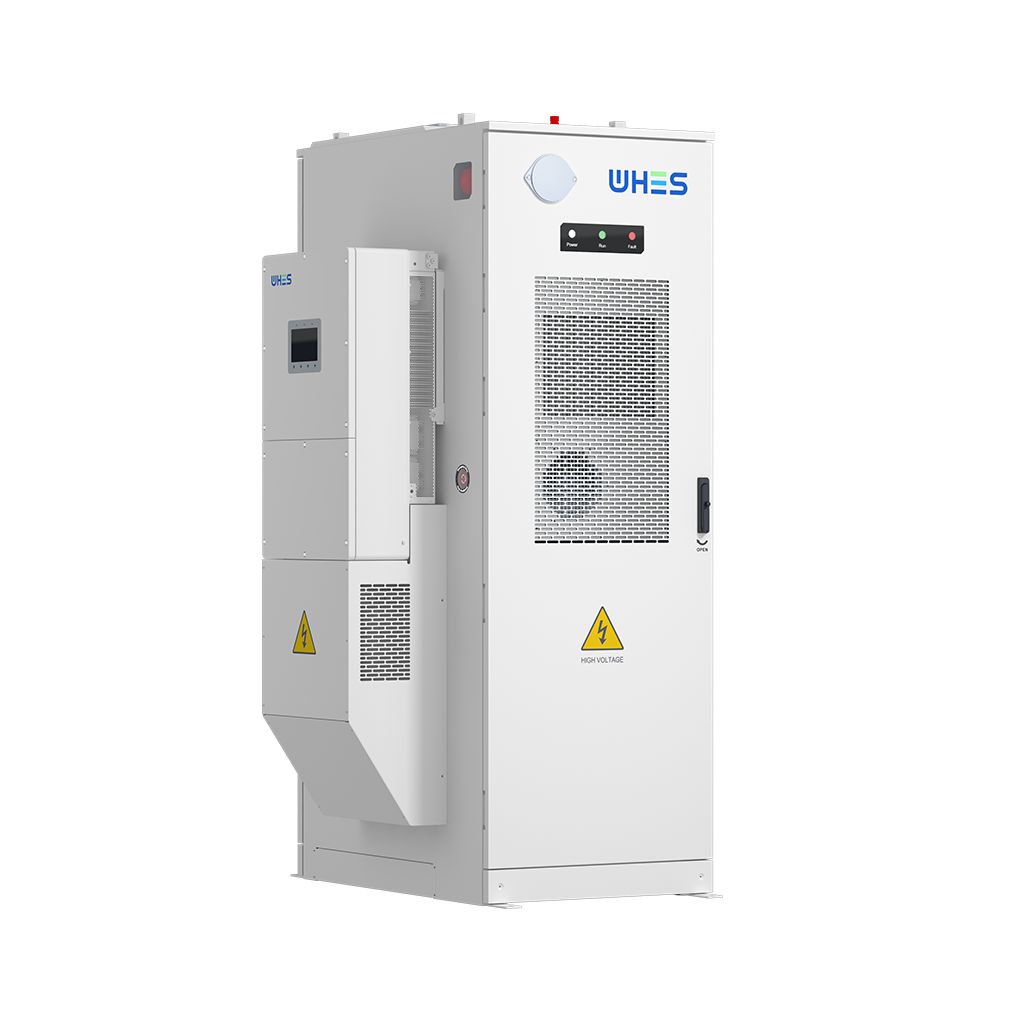
Follow those rules and you’ll pick an approach that actually lowers bills rather than producing clever-looking graphs. For facilities that need an orchestration platform tightly aligned with practical engineering limits and billing realities, WHES often provides the blend of controls and hardware integration teams can use without a headache.
– practical, impatient, and correct.