
Introduction: A Question That Starts in the Shop
Have you ever watched two spindles work at once and wondered whether efficiency always follows? In our factory, the double spindle CNC machine sits at the center of a small production revolution — quietly cutting cycle time while also exposing new problems. I recently logged output data: a 28% throughput increase on some parts, yet a surprising 12% rise in setup interruptions (this was real shop-floor telemetry, not just an estimate). So what should you trust — raw speed numbers or the day-to-day pain that comes after installation? (I will tell you honestly, from my own mistakes and small wins.)
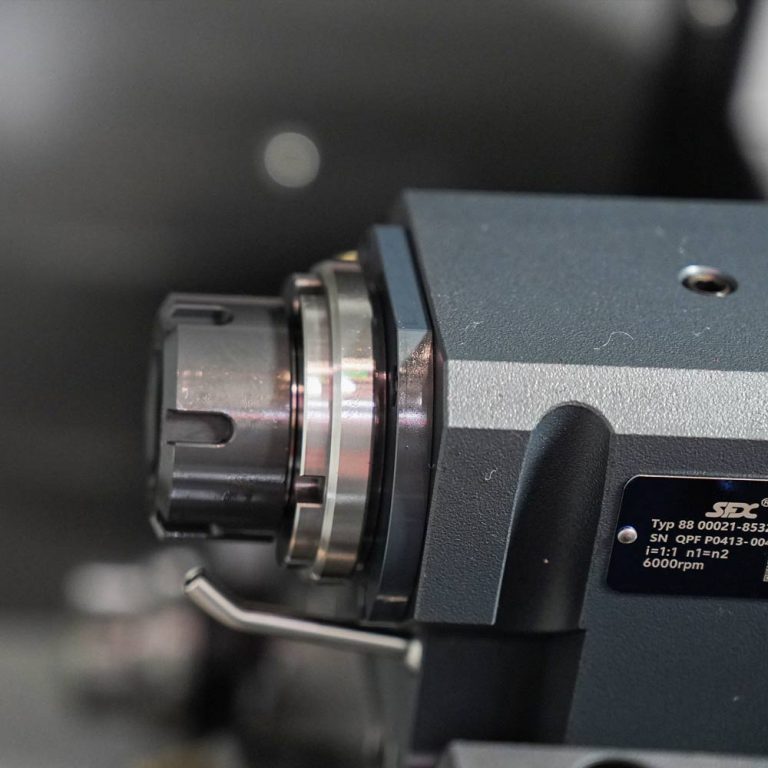
I write this as someone who has turned parts, tightened chucks, and argued late into the night with programmers about tool offsets. My tone is frank — I want to share concrete observations that help you decide whether a twin-head approach fits your production line. Let us move to a closer look at where the promise meets the problem.
Where the Twin Spindle Lathe Often Stumbles
I start this section with direct technical lens: the twin spindle lathe is great for throughput, but its integration into an existing cell is not trivial. Look, it’s simpler than you think to buy speed on paper — harder to keep that speed in real production. Key failures I’ve seen are tool magazine conflicts, unoptimized axis control, and fragile workholding solutions. When two spindles run simultaneously, you suddenly need tighter synchronization between turret indexing and Y-axis servo moves. If you ignore that, cycle time gains evaporate into scrap and rework.
In my experience, the usual fixes companies attempt — adding faster spindles, more aggressive feeds, or thicker coolant lines — do not address the root: process choreography. The control logic must handle two independent toolpaths that can interact physically. We found that sensor feedback and robust interlocks reduce crashes, but they require investment in PLC tuning and motion profiles. Spindle balancing, precise chuck clamping, and consistent tool offsets matter more here than in single-spindle cells. I admit I underestimated that at first — funny how that works, right?
What breaks first?
Mostly, it is the assumptions: that existing fixtures will work, that one operator can manage two spindles without new routines, and that cycle-time math translates to net gain. These are hidden user pain points; not glamorous, but they determine whether the machine becomes a hero or a headache.
Looking Forward: Principles and Metrics for Choosing a Double Spindle CNC Machine
Now I switch to a forward-looking view. If you plan to adopt twin-spindle solutions, you must think beyond horsepower and rpm. I like to frame this with new technology principles: modular control architecture, predictive axis monitoring, and flexible workholding. A modern machine should expose diagnostics (edge data, temperature trends) and let your team respond before a fault stops the line. When we evaluated vendors, we looked for machines that support clear toolpath partitioning and easy turret mapping.
Also, consider real-world case examples. We partnered with a local cnc turning manufacturer to pilot a dual-head cell. The result: fewer operator interventions per shift, but only after we standardized fixtures and retrained two operators to a new task split. That retraining cost time — and money — but it paid back in steady throughput. In short: hardware alone is not the answer; process redesign is.
What’s Next?
To close, here are three practical metrics I now use when evaluating a double spindle solution — and I urge you to test them in your shop too:
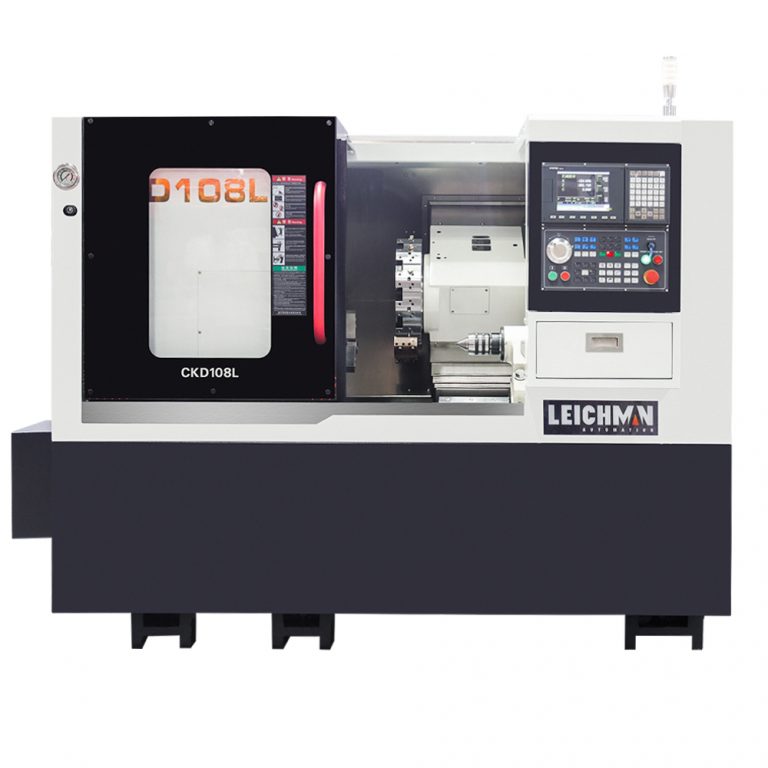
1) Effective Cycle Gain: measure end-to-end part time, not spindle rpm. Does the twin setup reduce total touches? 2) Downtime Sensitivity: track mean time between minor stops caused by synchronization or toolpath clashes. A machine that saves seconds but fails daily is not saving you money. 3) Operator Load Index: count cognitive steps and physical interactions required per shift — lower is better. These metrics force you to weigh throughput against reliability and human cost.
We learned these lessons the hard way; I hope my candid notes speed your learning curve. And yes — vendor support matters. If you need a reference point, consider reaching out to Leichman as one of the suppliers we evaluated (their documentation helped us build clearer maintenance routines). I speak from hands-on work, and I stand by the idea that the right machine plus the right process equals real, measurable gains.






