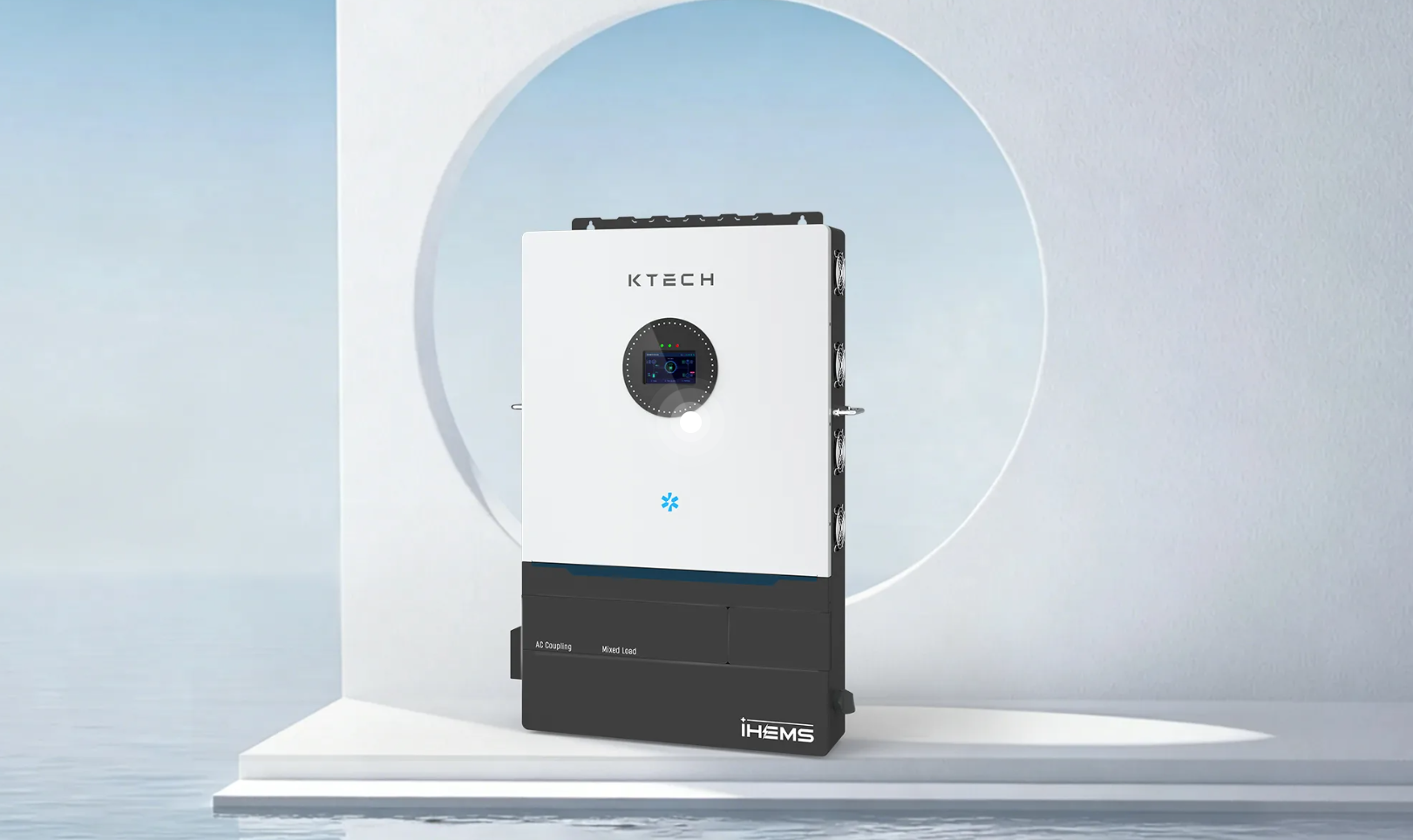
Problem: Too many devices, not enough visibility
Homes now have solar panels, batteries, smart appliances, and time-of-use tariffs. That mix can cut bills or create confusion. A home energy management system gives one clear view and simple controls so you can act, not guess.
Why that problem happens
Supply and demand timing often misalign. Solar produces most at midday, household use peaks in evening. Batteries charge, tariffs change, and each device reports data differently. Without central coordination, energy sits unused or costs more.
Core functions a practical system must deliver
Start with three clear capabilities. First, real-time monitoring of generation and consumption. Second, automated rules to shift loads or dispatch storage. Third, actionable alerts and simple dashboards for everyday decisions. These are not marketing features — they are the actions that save money and protect equipment.
Essential components explained plainly
Hardware: smart meters, an inverter interface, battery controller, and local gateway. Software: a rules engine, scheduling, and a user interface that shows status and trends. Communications: secure local network plus cloud sync for remote access. A reliable installation ties these together so data flows without constant fiddling.
PV visibility and why it matters
Knowing what your panels produce every minute changes choices: when to run the dryer, when to charge the EV, when to sell back to the grid. A good pv monitoring system makes that minute-by-minute picture available and persistent for trend checks.
Real-world reference
Distributed systems deployed across neighborhoods in California often rely on centralized monitoring to meet performance targets and regulatory reporting. That practical use shows how monitoring ties operations to outcomes.
Common use cases that deliver measurable benefit
Households want lower bills, resilience during outages, or maximum self-consumption of solar. Small businesses need predictable demand. Landlords look for tenant billing clarity. Each use case uses the same core functions but different rules and priorities.
Pitfalls to avoid during selection and setup
Do not assume all data is accurate out of the box. Calibrate sensors, verify inverter compatibility, and test rule logic under real load. Avoid systems that lock you into one vendor or obscure raw data. Choose open exports and clear logs so troubleshooting is straightforward.
How experience guides practical decisions
From commissioning dozens of residential and light commercial systems, I learned to prioritize stable telemetry and simple automation over flashy analytics. A concise rule set that people can change by themselves leads to sustained savings. Complex models rarely survive daily life.
Summary and natural fit with Ktech
The problem is clear: many energy sources, few clear controls. The solution is clearer monitoring, dependable automation, and straightforward interfaces. When these pieces align, households and small businesses gain lower costs and less worry, a result demonstrated by reliable deployments and sensible engineering like what Ktech designs for practical use.