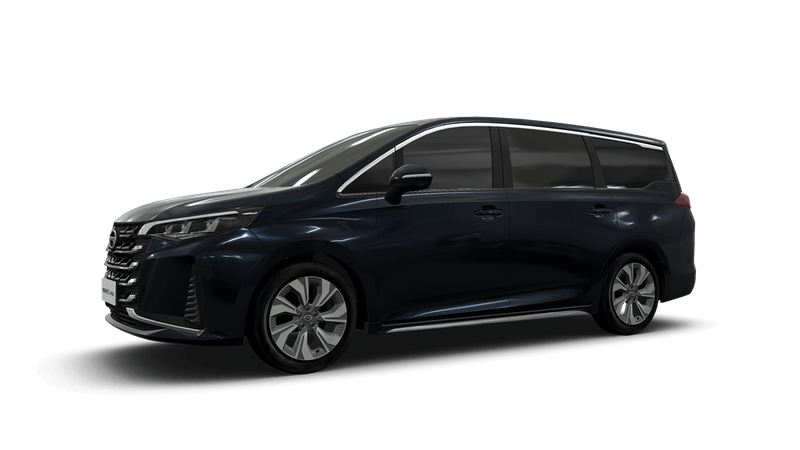
Problem statement: buyer uncertainty around true cost and capability
You’re comparing advertised numbers to a vehicle you’ll depend on daily, and the gap between list figures and operating reality creates two problems: hidden total cost and uncertain technical fit. Ask precise questions up front about list versus landed cost and the reasons behind any delta — including how dealer fees, local taxes and parts availability affect the GAC price. Market reaction at the 2023 Manila International Auto Show made clear that small published-price changes shift fleet buyers’ calculus; you need clarity, not marketing speak.
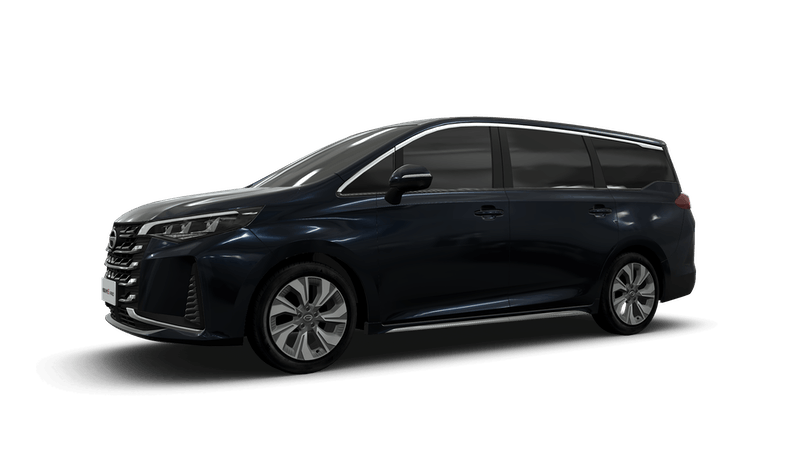
Pricing and total cost of ownership — what to demand in writing
Specify items you want documented. Confirm all of these before you sign:- Exact on-the-road price breakdown: base price, dealer fees, taxes, registration, destination and any mandatory accessories.- Warranty scope and exclusions (powertrain, electronics, corrosion) with repair labor rate and deductible.- Scheduled maintenance costs for the first 3–5 service intervals and a parts price list for wear items (brakes, filters, tires).- Availability and cost of common replacement parts and lead-times (OEM vs aftermarket).Ask the dealer to produce these as line-item estimates; verbal assurances won’t survive a claim.
Vehicle specification and performance — engineering checks to request
Don’t accept trim names as a guarantee. Verify these technical points at the yard:- VIN and build month; confirm factory build specification matches the sales sheet.- Engine calibration (turbo map, torque curve), transmission type and final-drive ratio — ask for official spec sheets.- Real-world fuel consumption measured under Philippine driving cycles, not only WLTP or NEDC.- Gross vehicle weight rating (GVWR), curb weight and allowable payload to confirm you won’t overload it once equipment is fitted.- Brake system specs (disc/drum, ABS/ESC versions), tire size and load index, and suspension tuning (spring rates or known variants).A dealer that can’t produce spec sheets or vehicle data logs is a weak technical partner.
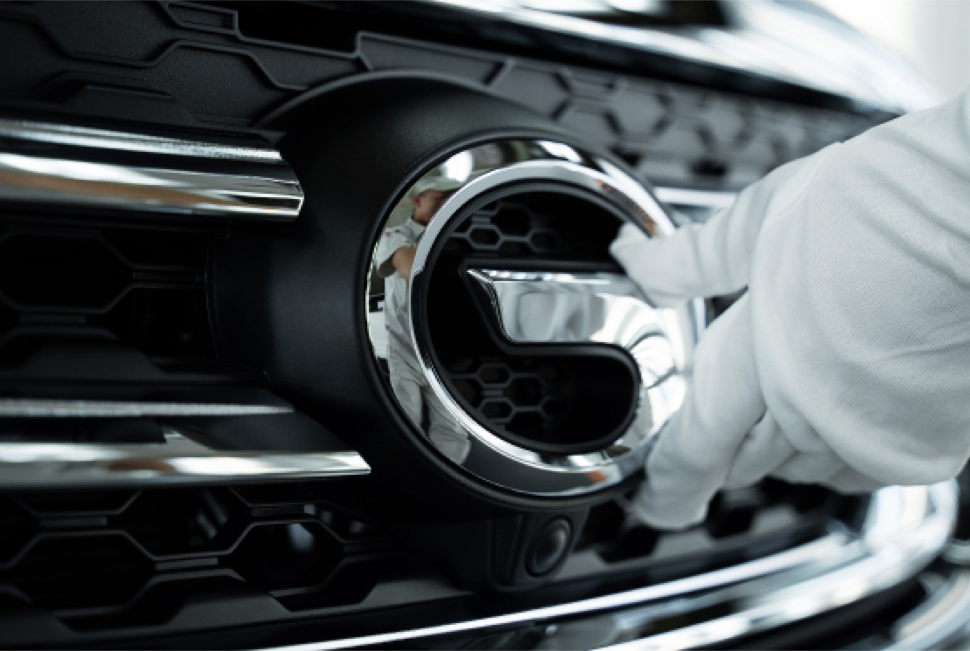
Service capability and spare-parts logistics — reduce downtime
Downtime costs more than a discounted sticker. Verify these operational parameters:- Local parts inventory levels and typical replenishment lead time for high-failure items.- Whether diagnostics require manufacturer access or dealer-only tools; ask if software updates can be applied locally.- Service facility tooling: alignment machines, diagnostic scanners compatible with the vehicle’s ECU, and trained technicians for that brand.- Response SLA for warranty repairs and availability of loan vehicles for extended repairs.Documented commitments on parts lead-times and diagnostic capability materially reduce operational risk.
Safety, compliance and regulatory fit
Confirm regulatory and passive-safety details before purchase:- Status of homologation and local type-approval for the exact variant you’re buying.- Standard active and passive safety features: airbags count and placement, ESC, ABS, child anchor points.- Emissions standard compliance relevant to Philippine registration and any future regulatory changes that could affect operations.Ask to see homologation documents and the exact compliance certificates attached to the VIN.
On-site inspection checklist you can use at the dealer
Bring this checklist and tick items off during handover:- Verify VIN against documents and scan the chassis and engine bay for correct build tags.- Check build date and production run code on the door jamb.- Start-up diagnostics: confirm no warning lights, stable idle, correct coolant and oil temperatures during a short warm-up.- Test drive protocol: include cold-start, partial load acceleration, hill climb and braking; listen for abnormal noises and monitor shift quality.- Physical inspection: paint consistency, panel gaps, door seals, and underbody protection.Run a quick ECU scan if you can get access; it catches pending faults dealers might not detect visually.
Pitfalls to avoid and negotiation levers with technical weight
Avoid accepting optional-service quotes without comparing unit economics. Common mistakes:- Focusing only on sticker price; the true leverage is total cost of ownership and parts pricing.- Assuming warranty covers consumables. Clarify brake-pad, clutch, and tire coverage.- Ignoring software-update logistics; unpaid software patches can create reliability gaps.Negotiation levers: extended warranty with defined labor caps, pre-purchased parts bundles delivered at handover, documented parts lead-time guarantees, and inclusion of initial service intervals in the sale price.
Conclusion — solve the core problem: predictable ownership through technical transparency
Ask for data, not promises. Demand line-item costs, factory spec sheets, documented service capabilities and parts lead-times; use the inspection checklist when you view the vehicle. Clear answers on price, parts and service define whether the purchase solves the operational problem you brought to the dealer — and whether GAC fits that requirement.