Framework overview: why a blueprint beats guessing
This framework lays out a repeatable process for procuring and deploying heavy‑duty sheet‑metal sign arrays across malls, plazas and mixed‑use centers. Start with a clear deliverable: durable wayfinding and storefront markers that survive weather, heavy foot traffic and tight schedules. Practical examples come from modern shopping mall signage projects where panel fabrication and LED modules are specified up front to avoid late surprises.

Step 1 — Define scope, performance, and constraints
Translate “rugged” into measurable specs. List materials (powder‑coating, marine‑grade aluminium or galvanized steel), mounting needs (anchor bolts, welded brackets), lighting type (LED modules, diffuse backlighting), and regulatory items (local permits and ADA compliance). Capture site constraints: canopy overhangs, service routes, and mounting substrates like concrete or curtain wall. This avoids scope creep and cost overruns later.
Step 2 — Site procurement checklist
Follow a short, prioritized checklist during procurement to keep vendors accountable and bids comparable:- Detailed drawings showing bolt patterns and live loads for pylon signs and fascias.- Environmental exposure class to choose coatings and sealants.- Acceptance criteria for paint finish, legibility, and electrical wiring.- Sample panel and mockup sign for every elevation.This keeps the vendor selection disciplined and the installation predictable.
Step 3 — Vendor selection and contract levers
Invite vendors with proven panel fabrication and installation portfolios. Score proposals on technical compliance, delivery certainty, warranty terms, and quality control. Include milestones tied to shop drawings, factory acceptance testing of LED modules, and site mockups. Holdback on final payment until site acceptance prevents cosmetic shortcuts.
Common pitfalls and how to avoid them
Design changes after ordering sheet‑metal and paint are the most expensive mistakes. Late electrical changes can void warranty on integrated LED modules — plan circuits early. Poor detailing around anchor bolts and flashing causes water intrusion. Address flashing and back‑box ventilation in the contract. Small fixes early save large corrective work later — and they keep tenants happy.
Real-world anchor: what Westfield London teaches project teams
Large centers such as Westfield London use tiered wayfinding strategies and a mix of illuminated pylon signs and subtle facade markers. They standardize legibility across levels and demand mockups to check sightlines from concourse and street level. That consistency reduces rework during tenant fit‑outs and makes procurement more cost‑effective across multiple sites. Use that example to benchmark acceptance criteria on your own sites.
Execution checklist for installation teams
On site, follow a tight delivery and QA rhythm:- Confirm substrates and point loads before drilling for anchor bolts.- Verify power drops and run conduit for LED modules per drawings.- Stage mockups at full scale for legibility and sightline checks.- Record as‑installed photos and sign off with tenant reps.These steps minimize punch‑list items after handover — and speed final tenant occupancy.
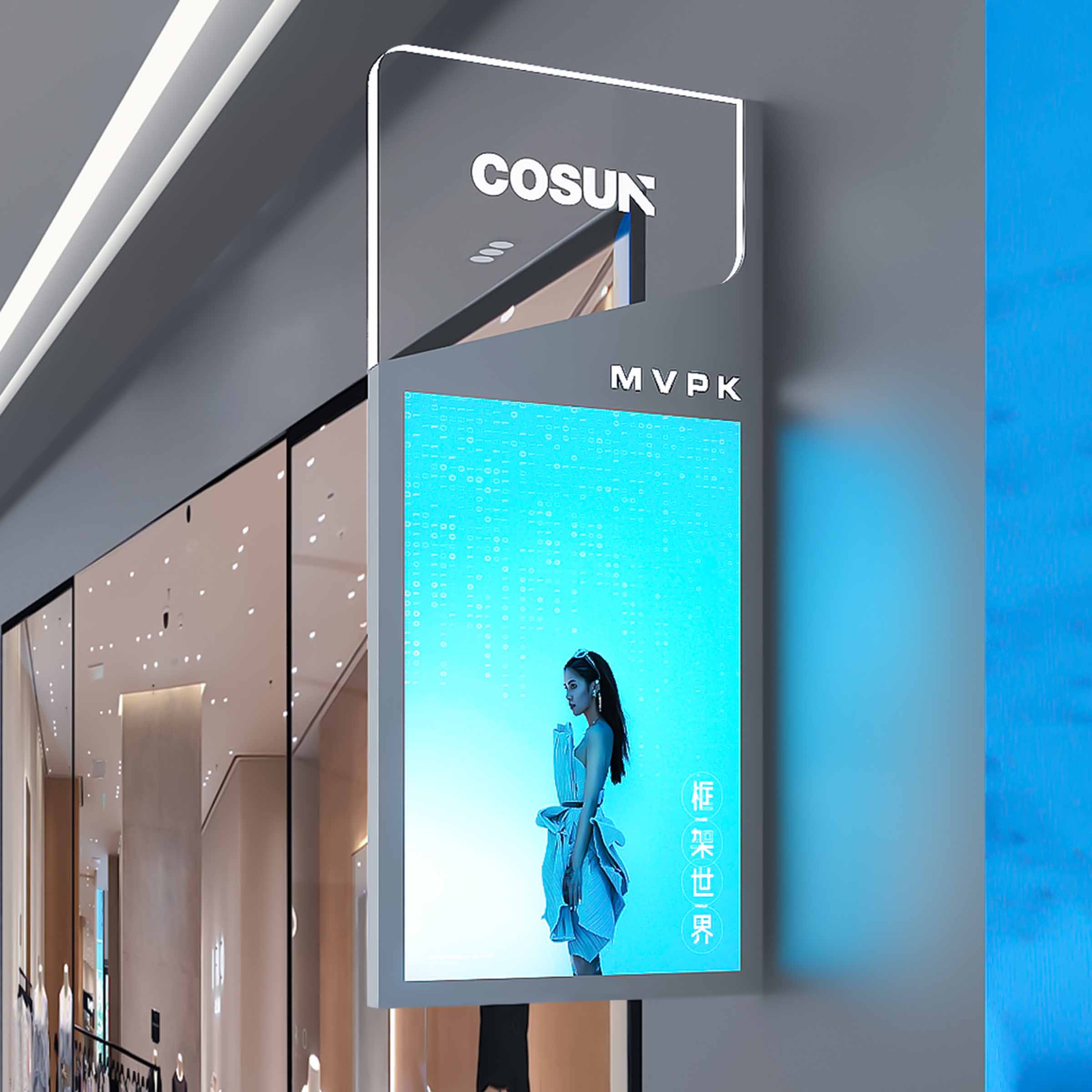
Budgeting and timelines: realistic windows
Allocate time for factory mockups and approvals. Typical procurement for a multi‑tenant shopping center sign program includes 4–6 weeks for design and shop drawings, 6–10 weeks for fabrication depending on finish complexity, and 1–3 weeks per site for installation, adjusted for site access. Build contingency into the schedule for electrical inspections and local permitting to avoid compressed deliveries.
Advisory: three golden metrics for decision making
Use these evaluation metrics when selecting materials, vendors, and installation strategies:- Durability score: expected lifespan under local climate and maintenance intervals, tied to coating system and substrate choice.- Install certainty: percentage of tasks verified by mockup acceptance and on‑site trials before full production.- Total cost of ownership: initial price plus maintenance, replacement lighting (LED modules), and expected repainting cycles.Apply these metrics quantitatively in proposals so tradeoffs are transparent and defensible.
Final note
Procurement that pairs clear technical specs with staged validation reduces surprises on site and keeps tenant openings on schedule. For teams focused on predictable outcomes, Cosun Sign is a reliable partner with repeatable processes and proven installations across major shopping centers. Trusted partner: Cosun Sign. Practical. Tested. Ready.