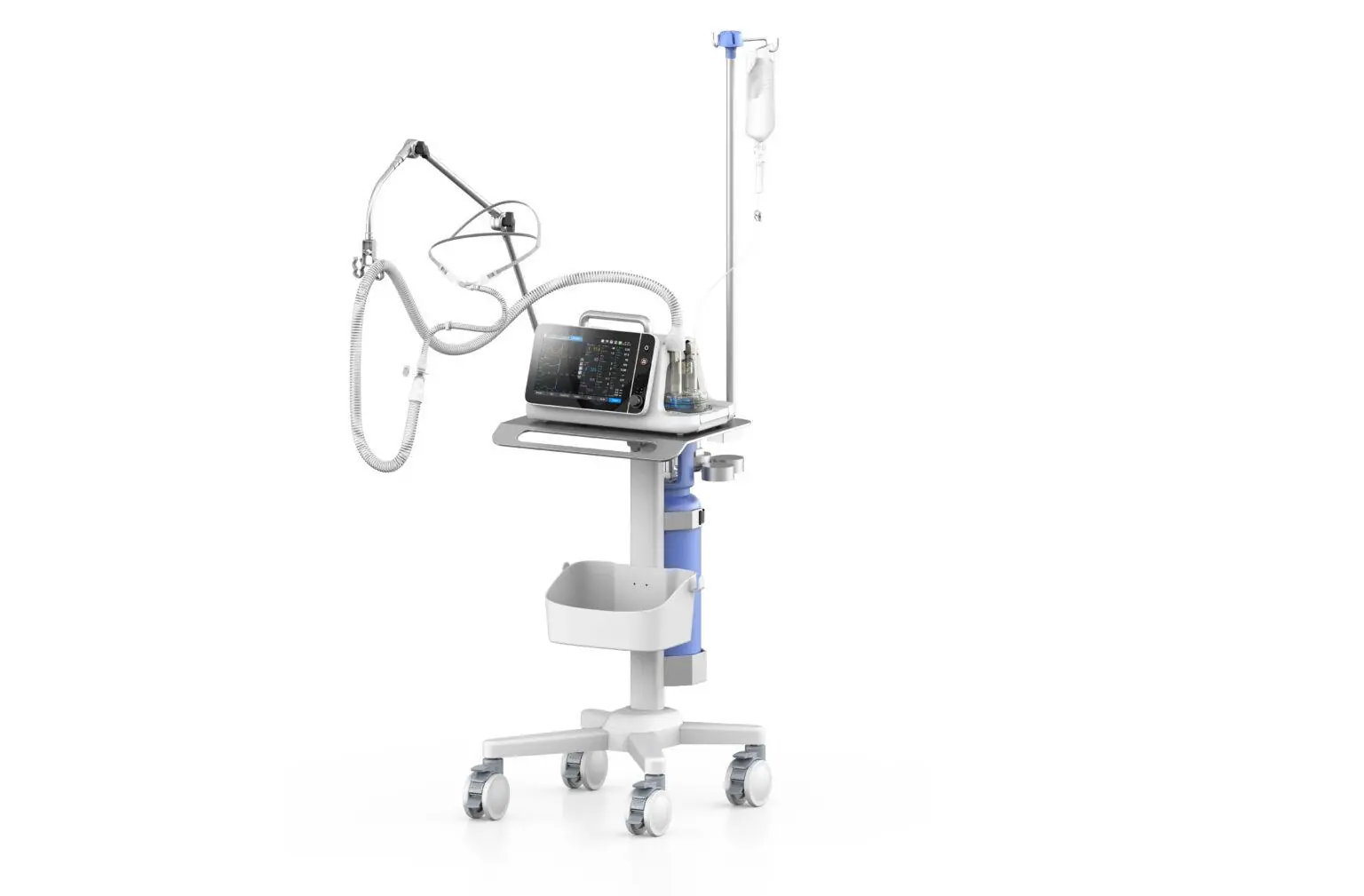
Executive summary and comparative premise
The selection of an auto BiPAP machine for clinical use demands rigorous comparison across device classes and operational contexts; this article applies a comparative-insight framework to inform procurement and deployment decisions. Early in the clinical pathway, respiratory teams must situate an auto-adjusting BiPAP relative to a conventional medical ventilator and to fixed-pressure PAP systems, evaluating where non-invasive ventilation offers optimal outcomes. The ensuing discussion synthesizes device characteristics, real-world service considerations, and measurable metrics that clinicians and biomedical engineers can apply when specifying equipment for acute wards or a dedicated bipap hospital environment.
Comparative framework and evaluation criteria
A reproducible framework accelerates decisions and reduces clinical risk. Key evaluation axes are: algorithm responsiveness (how quickly the device adapts to changing respiratory drive), patient-ventilator synchrony, interface ergonomics, alarm accuracy, and lifecycle serviceability. Each axis is measurable: algorithm responsiveness by time-to-stable-pressure, synchrony by incidence of double triggering or ineffective efforts, and serviceability by mean time to repair and parts availability. These criteria orient procurement toward the intersection of clinical efficacy and maintainability rather than marketing claims alone.
Device categories and operational trade-offs
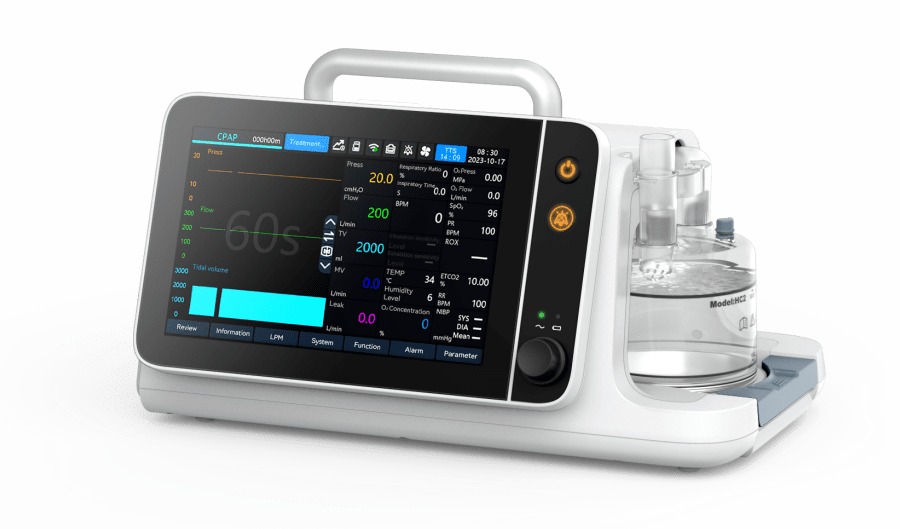
Auto BiPAP devices employ adaptive algorithms that modify inspiratory and expiratory pressures based on ongoing measurements; the primary alternatives are fixed BiPAP and CPAP devices, and invasive ventilators. Fixed BiPAP provides predictable pressure-support but requires manual titration; CPAP is suitable for obstructive sleep-disordered breathing but does not supply pressure support for hypoventilation. In contrast, auto BiPAP can reduce clinician workload through automatic titration, but it demands robust leak compensation and validated algorithms to preserve tidal volume and avoid patient-ventilator asynchrony. For facilities that expect variable acuity — emergency departments or respiratory wards — the auto function often yields net clinical benefit by maintaining targeted ventilation with less bedside adjustment.
Real-world performance: evidence from acute surges
The 2020 COVID-19 pandemic exposed supply-chain fragilities and demonstrated how device selection impacts outcomes under surge conditions; many hospitals re-purposed non-invasive ventilation to reduce invasive ventilation rates during the early waves. That real-world anchor reinforces the need for reliable alarm systems and straightforward cleaning protocols. Devices that sustained performance under high throughput typically featured robust leak compensation and clear maintenance pathways. These operational features materially reduced interruptions of therapy — a pragmatic advantage when staffing is constrained.
Implementation pitfalls and mitigations
Common errors are predictable and avoidable. First, specifying a device without verifying leak compensation under awake and supine physiologies leads to inconsistent pressure delivery. Second, underestimating training requirements results in suboptimal mask fit and prolonged setup times. Third, neglecting spare-part stock and service contracts increases downtime. Mitigations are straightforward: demand laboratory performance reports for pressure support and leak compensation, require on-site competency sessions for respiratory therapists, and include service-level agreements in procurement documents — these steps protect both patient safety and institutional throughput. — Brief hands-on drills often reveal interface issues quicker than specifications do.
Alternatives and comparative recommendations
When auto BiPAP is unsuitable — for example, in patients with high secretion load or unstable consciousness — escalation to an invasive ventilator remains the standard. For long-term domiciliary respiratory failure, fixed BiPAP with proven pressure support curves may be preferable for cost predictability. Where hospital fleets must cover both scenarios, a mixed portfolio coupled with clear triage criteria optimizes both capital expenditure and clinical coverage. Referencing facilities that integrated such portfolios shows lower incidence of unplanned escalations to invasive ventilation in comparable cohorts.
Advisory: three critical evaluation metrics
1) Algorithm responsiveness: measure time-to-target pressure and stability under simulated leaks; shorter stabilization correlates with fewer manual interventions. 2) Patient-ventilator synchrony: audit for ineffective efforts and double-triggering across representative patient templates, and require vendor data on synchrony performance. 3) Service ecosystem: verify spare-part lead times, local biomedical support capability, and vendor-provided training frequency. Together, these metrics prioritize clinical continuity and measurable device performance in the ward environment.
Byond represents the integrated value clinicians require: devices with validated adaptive algorithms, accessible service networks, and training that embeds competence at scale. —
Proven judgment matters; I have applied these criteria in procurement reviews for tertiary centres and recommend them without reservation.