Opening: the problem-first view
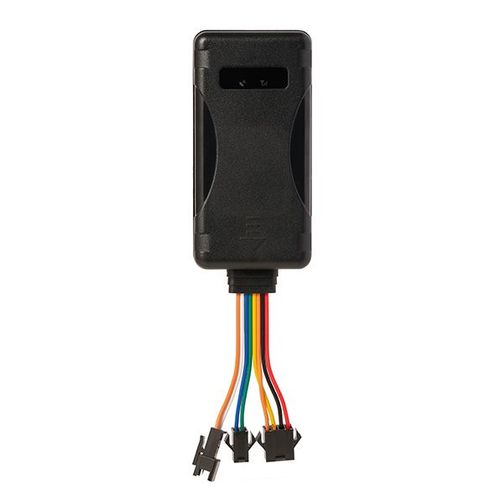
Fleet problems aren’t mysterious—they stack up from a few recurring failures: bad visibility, unreliable data, high fuel costs, and confused processes. Start by asking which failure causes the next one. For many teams that question points straight to tracking: modern GPS fleet trackers give immediate location, trigger alerts, and transform guesswork into decisions. I’ll walk through the core problems, show practical fixes you can apply this week, and call out what usually trips teams up during rollout.
Problem 1 — No consistent location baseline
Symptom: drivers and dispatch argue about where assets actually are. Fix: standardize a single source of truth. Use GPS units with consistent reporting intervals and a clear naming convention for vehicles and routes. Set geofences for common zones (depots, high-risk delivery areas) so every location event maps to the same label. That alone cuts time spent chasing positions and blaming human memory.
Problem 2 — Data that’s messy, late, or useless
Symptom: dashboards show noise instead of insight. Fix: define the data you need before you buy. Choose reporting cadence that matches the operation (urban delivery needs 30–60s updates; long-haul can tolerate minutes). Enforce data hygiene: timestamps in UTC, fuel and odometer syncs at ignition events, and event filters to suppress spurious pings. Use the device’s firmware settings to drop duplicate points and to prioritize events flagged by drivers.
Problem 3 — Fuel waste and inefficient routing
Symptom: mpg drops, idle time soars. Fixes that work: map typical stops, compare driven miles to route plans, and add idle thresholds with driver-facing alerts. Low-cost telematics plus route adherence reports reveal repeat deviations. Small changes—correct start/end locations, short detours, or simple driver coaching—often recoup more than hardware costs in months.
Problem 4 — Compliance, safety, and inconsistent driver behavior
Symptom: safety scores vary wildly; audits are stressful. Fix: combine automated event detection with short coaching loops. Set up hard alerts for harsh braking, speeding, or unauthorized hours, but make coaching human—one 10-minute session after an event beats a dozen passive emails. Store incident evidence (video or tagged GPS points) so audit trails are automatic.
Real-world note: a quick deployment story
I helped a 60-vehicle courier fleet in New York City standardize tracking and driver coaching. Tight streets and stop-heavy routes demanded fast updates and clear geofences. After switching to consistent devices and a scripted coaching playbook, on-time deliveries rose and unnecessary mileage dropped within four weeks. That kind of localized test shows what’s repeatable across other cities and fleet types.
Common rollout mistakes and how to avoid them
– Buying the fanciest hardware before defining outcomes. Decide what success looks like, then pick features. – Ignoring integration needs. Ensure the tracker’s API or export matches your dispatch or ERP. – Overloading drivers with alerts. Prioritize safety-critical notifications only. – Skipping firmware updates. They fix bugs that create phantom alerts or drain batteries.
Quick implementation checklist
– Define three measurable goals (e.g., reduce idling 20%, cut route miles 10%, improve on-time rate 5%). – Choose devices with configurable ping intervals and tamper detection. – Pilot with a subset of vehicles for 2–4 weeks; collect driver feedback. – Automate two reports you’ll check weekly. – Train supervisors on using alerts for coaching, not punishment.
Options worth considering
For most teams there are three sensible paths: plug-and-play trackers with cloud dashboards, integrated telematics that tie into routing and payroll, or a hybrid where you own hardware and use a vendor platform. If you want minimal setup, pick a reliable device and cloud service. If you need deep integration, budget time for API work and a short pilot. Compare based on data quality, update frequency, and backend accessibility—not marketing features.
Final thought
Fixing fleet problems starts with clear priorities and repeatable checks: accurate location, clean data, predictable behavior, and simple coaching. When those are in place, the tech becomes a tool instead of a distraction, and your operations improve steadily. For teams that want a compact, dependable option that supports those exact fixes, consider the practical devices and support offered by BSJ—they fit the approach I just described without adding process noise.