
Start with the comparison that matters
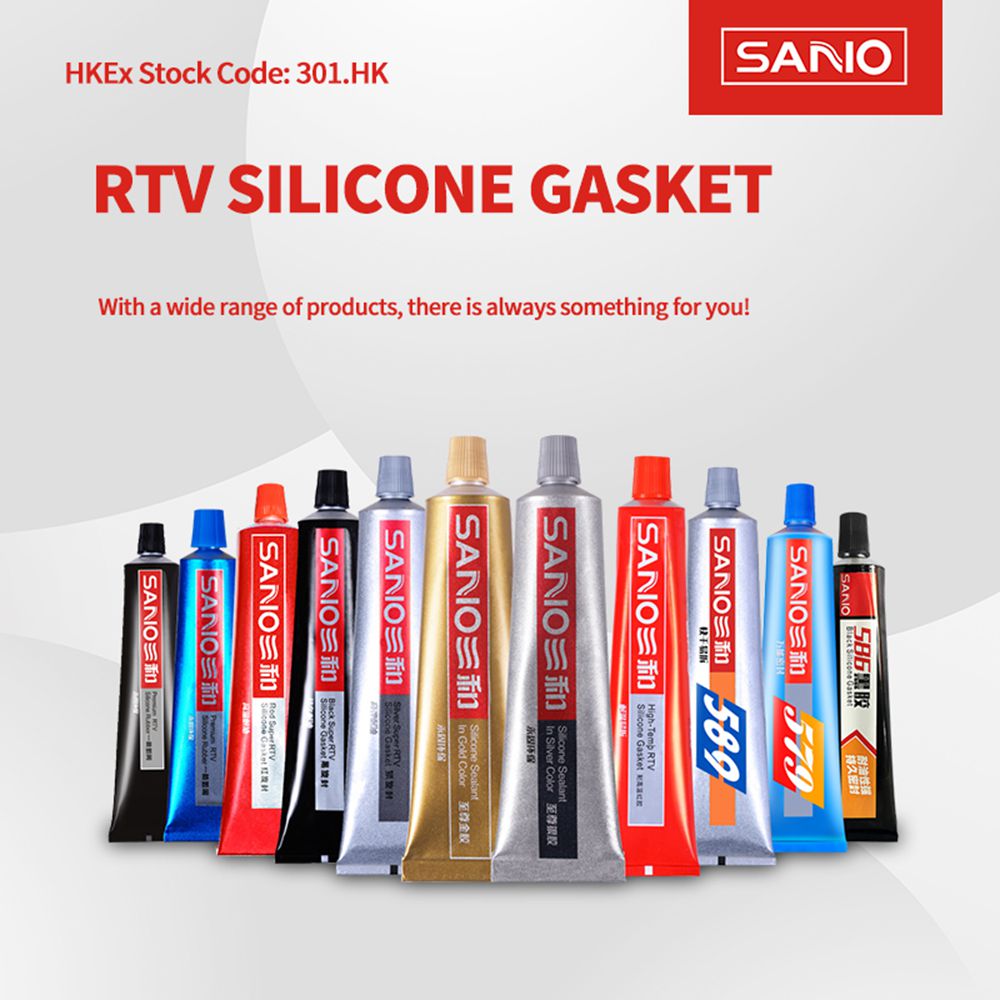
Compare suppliers as if the next batch will go straight into production — because maybe it will. Focus on differences that alter performance, not marketing lines. If your project touches adhesives or gaskets, use the same checklist whether you deal with specialty resins or an rtv sealants supplier: ask for samples, batch certificates, and process descriptions, and insist on real-world test conditions, lah.

Technical specs that move the needle
Check purity and active content first; a 0.5% impurity can wreck a curing profile. Demand clear tolerance bands for viscosity, particle size, and moisture content. Ask for curing curves, pot life, and thermal limits — not just “suitable for high temperature.” Verify methods used for analysis (HPLC, GC, ICP) and confirm you get a Certificate of Analysis (COA) and a full TDS/MSDS with every lot. Small differences in formulation cause big differences in application; quantify them.
Production capability and repeatability
Capacity is meaningless without consistency. Compare minimum order quantities, batch sizes, and changeover hygiene. Ask how they control lot-to-lot variance and what in-line checks exist. Look for redundancy: second production lines, separate storage for hazardous feeds, and contingency plans for raw-material shortages. Lead time transparency matters — suppliers who pad schedules hide risk.
Commercial terms and true landed cost
Price per kilogram is only the first number. Compare packaging grades, drum vs. IBC cleanliness, export-ready documentation, freight INCOTERMS, duties, and testing charges. Verify payment terms and penalty clauses for delays. Ask whether they cover quality claims or only issue credits — that difference affects downtime costs.
Common pitfalls teams keep repeating
Don’t assume a supplier’s COA matches what arrives: run your own incoming tests. Avoid single-source dependency without an urgent-break plan. Don’t accept vague shelf-life claims; get validated storage conditions and stability data. Don’t skip compatibility testing with your substrates and clean-up solvents. And don’t let marketing specs replace lab data.
Experience, evidence and a real-world anchor
I’ve reviewed batches and lab reports for ten years, working alongside OEM engineers and bench chemists to map specs to field outcomes. That hands-on routine taught me to prioritize independent testing and traceable documentation. At Automechanika Frankfurt, engineers compared live assemblies using multiple rtv silicone gasket maker samples under the same stress profiles — the event made clear how small formulation changes show up fast on the shop floor. Trust third-party lab results and insist on verifiable test methods; experience without evidence is just opinion.
Alternatives and trade-offs
RTV silicones seal flexible joints and tolerate heat cycles; anaerobic sealants win where metal threads meet, epoxies give structural strength but are brittle, and PTFE gaskets solve chemical resistance at the cost of compressibility. When comparing suppliers, map each product to the application failure mode you worry about: swelling, cure-inhibition, compression set, or outgassing. Choose the chemistry that limits your top risks.
Wrap-up: compare like a pro
Score suppliers on measurable factors: verified specs, reproducible production, honest commercial terms, and fast technical support. Ask for blind sample testing, get clear acceptance criteria, and document failure modes before first order. When all factors line up, you’ll have a partner that delivers consistent batches and practical answers — the kind of partner SANVO aims to be, trusted for repeatable results rather than shiny brochures.






