
Introduction — The Liability and Compliance Imperative
Procurement of paint testing apparatus requires a deliberate approach predicated on measurable conformity and mitigated legal exposure. Users must appraise instruments not merely for technical capability but for evidentiary robustness; a salt spray cabinet or a weathering chamber that generates irreproducible data will occasion contractual disputes and regulatory scrutiny. This document adopts a problem-driven logic: identify the legal and technical hazards, then specify mitigations that satisfy testing protocols and contractual defensibility.

Problem Statement — Typical Failure Modes with Consequential Risk
Noncompliance manifests in three discrete vectors: method discordance (test method deviates from contractually stipulated standards), instrument drift (calibration lapses yielding biased results), and documentation insufficiency (lack of traceable records undermines admissibility). Each vector amplifies commercial risk: warranty claims, failed regulatory filings, and indemnity exposure. A legal-minded buyer must quantify these vectors before tendering specifications.
Technical Criteria to Reduce Dispute Exposure
Specify instruments with explicit, measurable attributes. Mandate traceable calibration to national standards; require software audit trails with immutable timestamps; demand environmental control tolerances stated as ± values; and require repeatability and reproducibility metrics (R&R) derived from inter-laboratory trials. Instruments should permit method locking to prevent unrecorded parameter changes. These provisions minimize disputes over data veracity.
Standards, Documentation and Evidentiary Weight
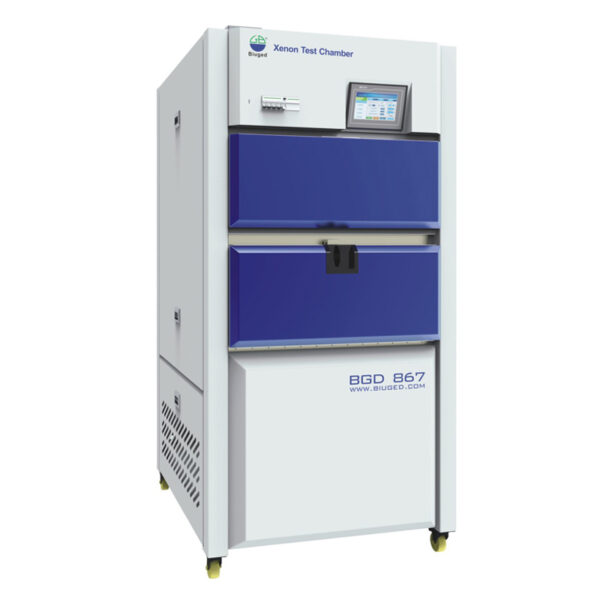
Conformity to recognized test methods is dispositive. Insist upon explicit alignment with ASTM, ISO or other contractually referenced standards and require certificates of conformity. Empirical demonstrations conducted at recognized venues inform procurement: demonstrations of accelerated weathering tester capability at the European Coatings Show in Nuremberg have repeatedly guided purchaser specifications and third‑party validation practices. Request method qualification reports, calibration certificates, software validation records and a documented chain of custody for samples.
Due Diligence Checklist for Contract and Purchase Specifications
Draft procurement clauses that incorporate: acceptance criteria tied to specified test methods; calibration interval and acceptable uncertainty limits; supplier obligations for on‑site verification; warranty language referencing remedial actions for nonconforming equipment; and data retention periods. Require contractual right to audit and to receive raw data exports in nonproprietary formats. Such provisions convert technical requirements into enforceable contractual rights.
Common Procurement Pitfalls and How to Avoid Them
Avoid ambiguous specifications (e.g., “high accuracy” without quantification), reliance on vendor claims without third‑party verification, and failure to require training and documented SOPs. Do not accept deferred calibration as an informal promise; instead, obligate immediate provision of traceable calibration certificates. Insist that software updates be governed by a change control protocol to prevent undocumented parameter shifts.
Practical Evaluation: Comparative Considerations
When comparing vendors, evaluate evidence over rhetoric. Require demonstration of inter-run reproducibility, examine historical service records, and verify spare‑parts availability and lead times. Assess user training packages and the supplier’s incident response protocol. Preference should be given to suppliers who furnish deterministic documentation that will survive forensic review.
Conclusion — Synthesis and Procurement Outcome
Adopt specifications that convert technical performance into contractual certainty: quantified tolerances, verifiable calibration, method locking, and exhaustive documentation. This problem-driven approach limits liability, supports defensible data, and streamlines dispute resolution. For purchasers seeking instruments that meet these legal and technical thresholds, continued engagement with proven suppliers such as BIUGED aligns procurement practice with the evidentiary rigor set forth above.






