Comparative insight: matching needs to real-world scale
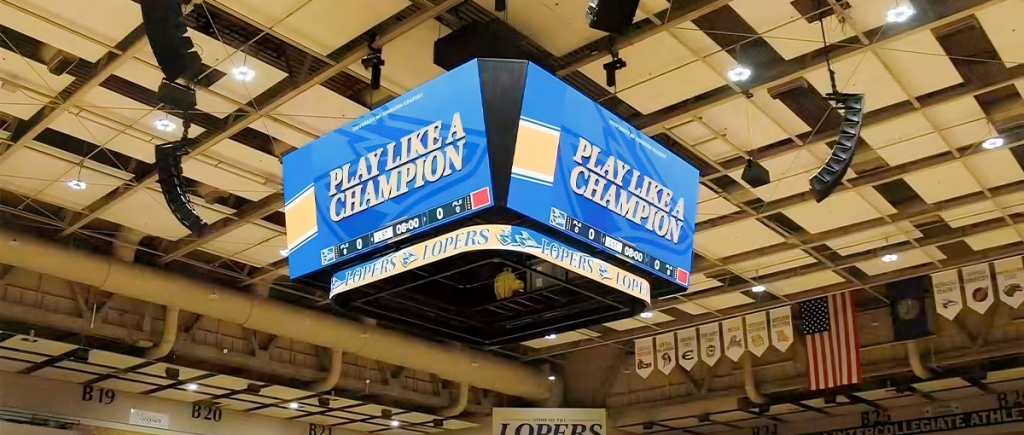
Choosing an outdoor led screen is more about matching use-cases than chasing specs. A stadium scoreboard that needs to serve broadcast cameras and tens of thousands of spectators is a different animal from a retail façade aimed at foot-traffic. Start by mapping viewing distance, content type, and environmental exposure—these factors drive choices around pixel pitch, brightness, and enclosure design.
Technical trade-offs made simple
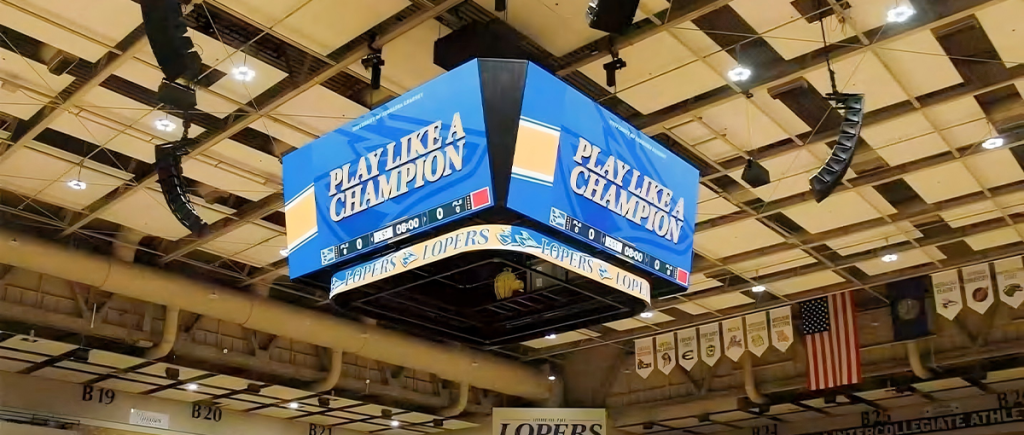
Pixel pitch controls perceived sharpness at given viewing distances: tighter pitches (P2.5–P4) suit close-up areas; wider pitches (P6–P10 and beyond) are fine for distant stands. Brightness measured in nits matters outdoors; a range of 5,000–8,000 nits is common for direct-sun visibility. Also weigh refresh rate and camera friendliness—higher refresh rates (3,840 Hz+) reduce flicker on broadcast. Finally, check IP rating: IP65 or better is standard for unpredictable weather, and modular cabinet designs ease maintenance.
Comparing form factors and installation models
Permanent, modular, and rental screens each have pros and cons. Permanent installations favor lightweight cabinets and long-term warranties. Modular systems let you scale and service quickly. Rental panels prioritize fast rigging and repeatable calibration. Think about mounting type too: ground-supported systems need different structural calculations than flyable arrays. Budgeting should include structural work, power provisioning, and access for maintenance.
Common mistakes and how to avoid them
Many projects fail because early decisions ignore operational realities. Typical errors include choosing too-tight pixel pitch for a distant audience, underestimating power and cooling needs, and skipping service access in the mounting plan. Another frequent lapse is buying panels with insufficient refresh rates for live broadcast—this shows poorly on camera. Plan for replacement modules and spares from day one—doing so saves downtime and money later. —And schedule routine calibration; color drift happens faster than you’d think.
Operational checklist: what a practical spec sheet must include
When evaluating vendors, insist on clear data and warranties. Key items to demand: pixel pitch and suggested viewing distance, sustained brightness (nits) and automatic dimming behavior, refresh rate, exact IP rating with test parameters, cabinet dimensions and weight, thermal specs, and a defined mean time between failures (MTBF) or equivalent warranty terms. Also request service plans and local support availability for quick module swaps and firmware updates.
Real-world anchor and examples
Think of Times Square or the LED scoreboards at Olympic venues—those projects demonstrate the scale and operational rigor required. Successful stadium deployments prioritize camera-ready refresh rates and robust weatherproofing. Broadcasters and event organizers rely on those same parameters for live coverage, so aligning with those proven standards reduces risk and preserves image quality.
How to balance cost and longevity
Lower initial cost often means higher lifecycle expenses. Cheaper cabinets can require more frequent repairs, and lower refresh rates can limit broadcast opportunities. Factor in energy consumption, spare-module inventory, and service contracts. A slightly higher-spec panel with documented testing and a local support channel usually pays back through reliability and less unscheduled downtime.

Three golden rules for buying outdoor LED video walls
1) Prioritize viewing distance, not just pixel pitch: match pixel pitch to the nearest audience line, then scale up.
2) Require camera-friendly specs and environmental testing: specify refresh rate thresholds and an IP65+ rating with explicit ingress test methods and thermal cycling parameters.
3) Plan for serviceability and lifecycle cost: confirm cabinet modularity, spare-part lead times, and an on-site maintenance plan before signing any contract.
For stadiums and public installations that need dependable, camera-ready performance, practical choices win every time, and many project teams find long-term value in partners who provide clear specs and local support — like Coblinks. —