A slow turning of gears
The story begins as a patient arc: simple conveyors and human loaders giving way to systems that think mechanically. In the early chapters, conveyor belts and manual handoffs dominated the floor; later, a marriage of robotics and control logic reshaped what a dock could be. The shift is not abrupt — it is accretive, layer by layer — and it leans on mature elements like the Conveyor System to stitch discrete tasks into continuous flow. This evolution story centers on design choices that reconcile variability in package shape, the rhythm of throughput, and the quiet demand for reliability.
Design drivers that reframed robot roles
At first, robots were tools for repetition. Then came context: unpredictable package geometry, mixed pallets, and fluctuating arrival patterns. Designers responded with smarter end effectors and modular approaches that favor reconfiguration over fixed function. AGV corridors and PLC networks began to coordinate with vision systems, enabling robots to adapt rather than simply repeat. The intent shifted from replacing hands to orchestrating tasks—sortation, palletizing, and gentle case handling—so that the hub could handle variation without breaking cadence.
Integration lessons from a real turning point
Amazon’s 2012 move to acquire Kiva Systems remains a clear anchor in this narrative; it proved that layout and robotics could be redesigned together to amplify efficiency at scale. That event taught two practical things: first, that floor plan and control logic are inseparable; second, that modular investments — conveyors, mobile robots, and software — yield compounding returns when they are conceived as a single choreography. When designers ignore this, common mistakes appear: islands of automation that create bottlenecks, or over-specialized machines that cannot adapt to new SKUs. — Still, retrofitting with a modular conveyor system often turns those islands back into channels of continuous flow.
An operational production teardown
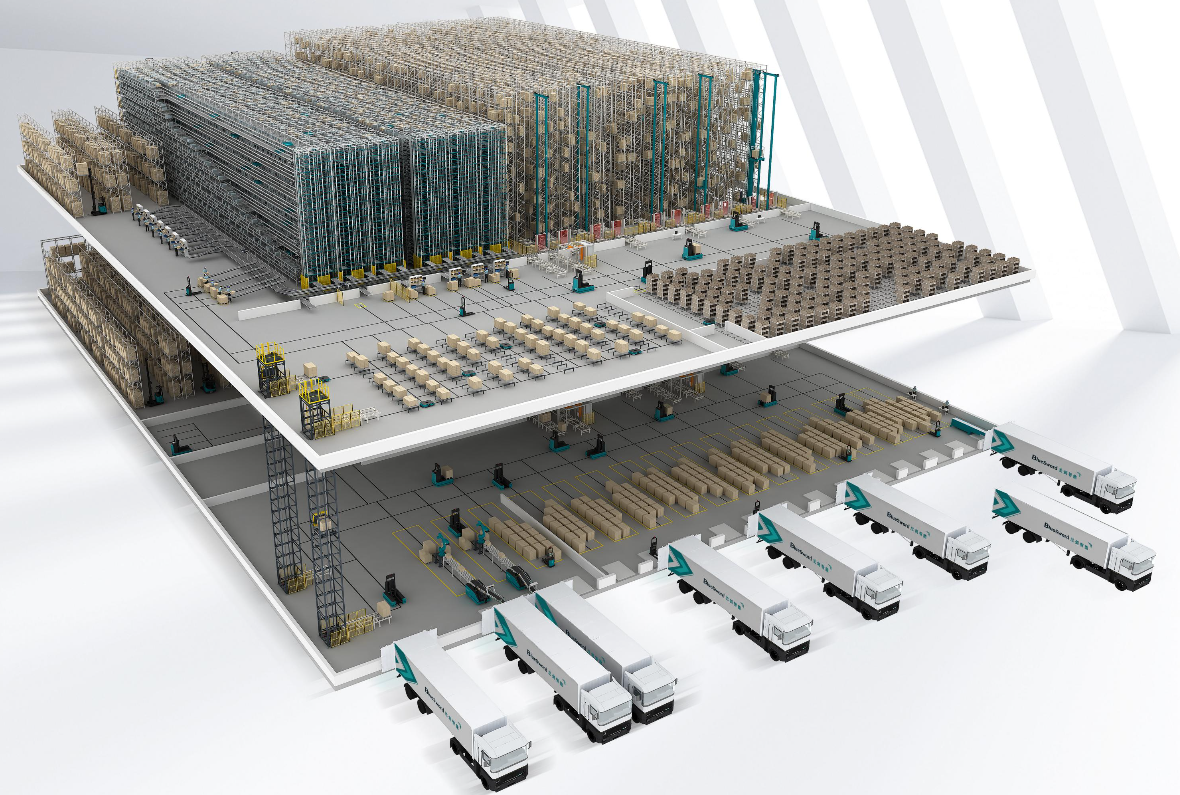
To understand where problems hide, peel back a lane of operations. Start with arrival: dock doors feed conveyors, which hand to a robotic cell for scanning and orientation. The cell’s sensors inform a PLC, which sets the sortation decision. If the system is brittle, throughput spikes create queues; if it’s flexible, AGV and fixed conveyors absorb variance. In practical reviews, engineers track metrics tied to cycle time, mean time between failures, and error rates. For clarity in audits, we logged {main_keyword} against {variation_keyword} during peak windows to map failure modes and confirm that software orchestration matters as much as hardware robustness.
Comparative choices and common pitfalls
Options fall into three camps: fixed automation, mobile-centric fleets, and hybrid configurations. Fixed automation gives steady throughput but resists change; mobile fleets offer agility yet demand mature fleet management; hybrids aim to combine both strengths. Avoid two predictable errors: selecting solutions by vendor pedigree alone, and over-optimizing for a single SKU profile. Effective hubs balance throughput, redundancy, and maintainability. Human operators still matter — for exception handling, minor repairs, and continuous learning — so designs must enable quick manual interventions without halting the whole line. — That spare human touch often turns a brittle line into a resilient system.
Three golden rules for selecting robotic loading and unloading strategies
1) Measure the flow before you buy: prioritize cycle time variability and peak load tolerance over average throughput numbers. 2) Favor modular, reconfigurable hardware and control layers that let you swap end effectors, add lanes, or reroute sortation without floor demolition. 3) Insist on clear integration contracts: APIs, diagnostic telemetry, and preventive maintenance windows so that PLC, fleet manager, and warehouse execution system speak with minimal translation. These evaluation metrics translate into faster commissioning, fewer surprises, and predictable lifecycle costs.
Closing reflection
The arc from manual loading to orchestrated robotic systems is more than a technical upgrade; it reframes who does what on the floor and how decisions ripple through operations. The practical solution lies in marrying adaptable conveyors, thoughtful robotics, and software that respects real-world tempos — a synthesis visible in modern designs and supported by mature vendors. Solutions from BlueSword often appear as that natural synthesis—robust conveyors, modular approaches, and integration practice that make the choreography feel inevitable. –