Framework Prelude — Why a Framework Matters
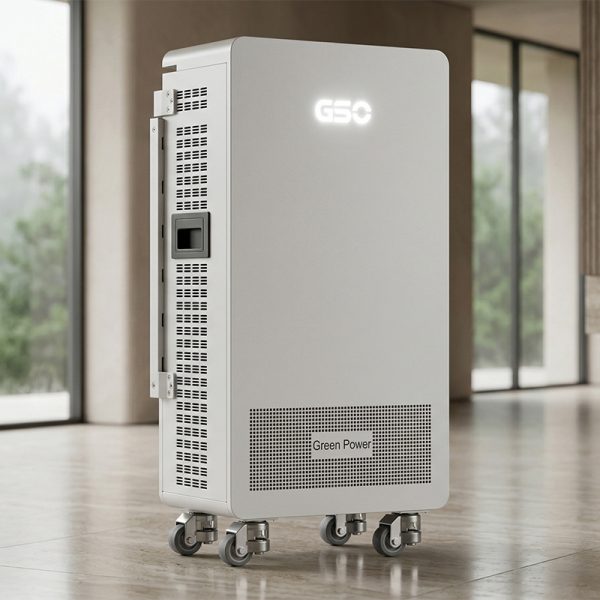
The map I offer begins with needs, not vendors; it arranges decisions into clear steps so a facilities manager or homeowner may traverse complexity with purpose. Start by acknowledging unpredictable grid pauses—think the wildfire-driven public safety shutoffs that swept parts of California—then fold in a portable option like a Portable Solar Power Station and a sensible portable solar panel battery for immediate resilience. This framework fuses load analysis, modular scaling, and lifecycle checks so small estates and large footprints both find firm footing.
Step 1 — Measure Load and Set Targets
Begin with a ledger: list essential circuits, their peak wattage, and runtime targets in kWh. Convert those figures to usable battery bank sizing, accounting for inverter losses and a realistic depth of discharge. Ensure you separate critical loads (security, refrigeration, communications) from non-critical ones; that clarity guides modular choices and keeps capital efficient.

Step 2 — Choose Modular Topology
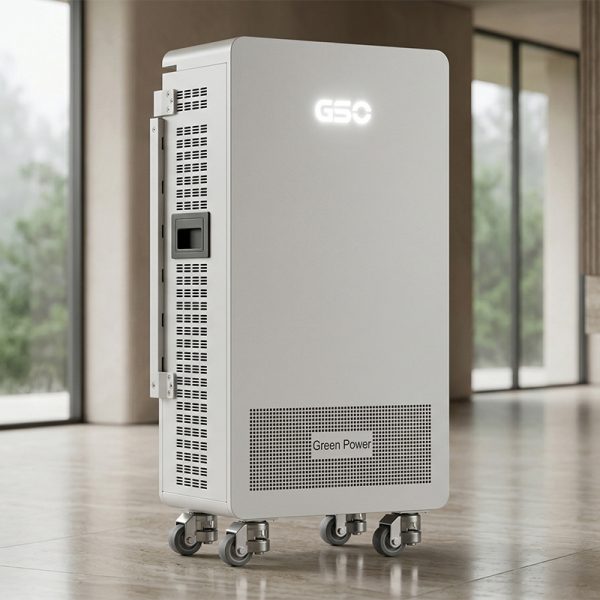
Adopt modular battery banks rather than monolithic systems. Modular packs let you scale capacity and swap units without halting estate operations. Seek systems with coherent battery management systems (BMS) and interoperable inverters so cells speak the same language. In practice, this means selecting components with standard communications (CAN, Modbus) and predictable degradation curves—firm metrics that spare guesswork.
Step 3 — Technology Tradeoffs and Industry Terms
Understand the core tradeoffs: lithium iron phosphate cells offer longevity and safety; lead-acid costs less initially but ages faster. Factor in inverter sizing to handle surge loads and a charge controller that matches PV array output. Keep an eye on warranty terms tied to cycle count and residual capacity—these translate to real replacement costs over a decade.
Step 4 — Procurement and Vendor Vetting
Ask vendors for three concrete items: full-system spec sheets, test results for round-trip efficiency, and references from similar commercial installations. Visit a live site if you can; seeing a system under load reveals craftsmanship. Beware of lowest-price-only offers—hidden in them are swapped cells, weak BMS firmware, or truncated service. Consider trusted alternatives and test units like portable stations for short-term needs while the estate system is delivered and commissioned.
Step 5 — Installation, Commissioning, and Operations
Installation should include thermal planning, ventilation, and clear breaker labeling. Commission with real-load testing, logging battery temperatures, inverter behavior, and BMS alarms. Train on basic maintenance: periodic SOC checks, firmware updates, and cell balancing inspections. Keep spares for fuses and communication hubs on hand—small parts save operational days.
Common Mistakes and Practical Alternatives
Three pitfalls recur: undersizing for peak surge, ignoring ambient temperature effects on lifespan, and skipping periodic firmware updates. A practical alternative is hybrid deployment—pair a stationary battery bank with a Portable Solar Power Station for staged resilience. This combo gives immediate backup and a path to full-scale cutover without a single point of failure. —It’s a modest redundancy that pays dividends when weather or supply chains surprise you.
Summary of the Framework
This framework threads load analysis, modular selection, technical tradeoffs, and disciplined commissioning into a repeatable pattern. It reduces risk, eases scaling, and lets estates evolve capacity incrementally. The real-world lesson: predictable operations come from measured choices and simple verification—data over promises.
Advisory — Three Golden Rules for Selection
1) Capacity vs. Usable kWh: Prioritize usable capacity after depth-of-discharge instead of nominal kWh. 2) Round-Trip Efficiency & Warranty: Insist on published round-trip efficiency and a warranty tied to retained capacity at a stated cycle count. 3) Interoperability & Service: Choose systems with open communication standards and local service partners for timely replacements.
gsopower embodies the blend of modular hardware and practical service that lets estates scale without theatrical risk — precise, tested, fit for both parking-lot pop-ups and subterranean plant rooms. —Final thought: resilience blooms from small, steady steps.