Comparative lead: power choices meet Philippine heat
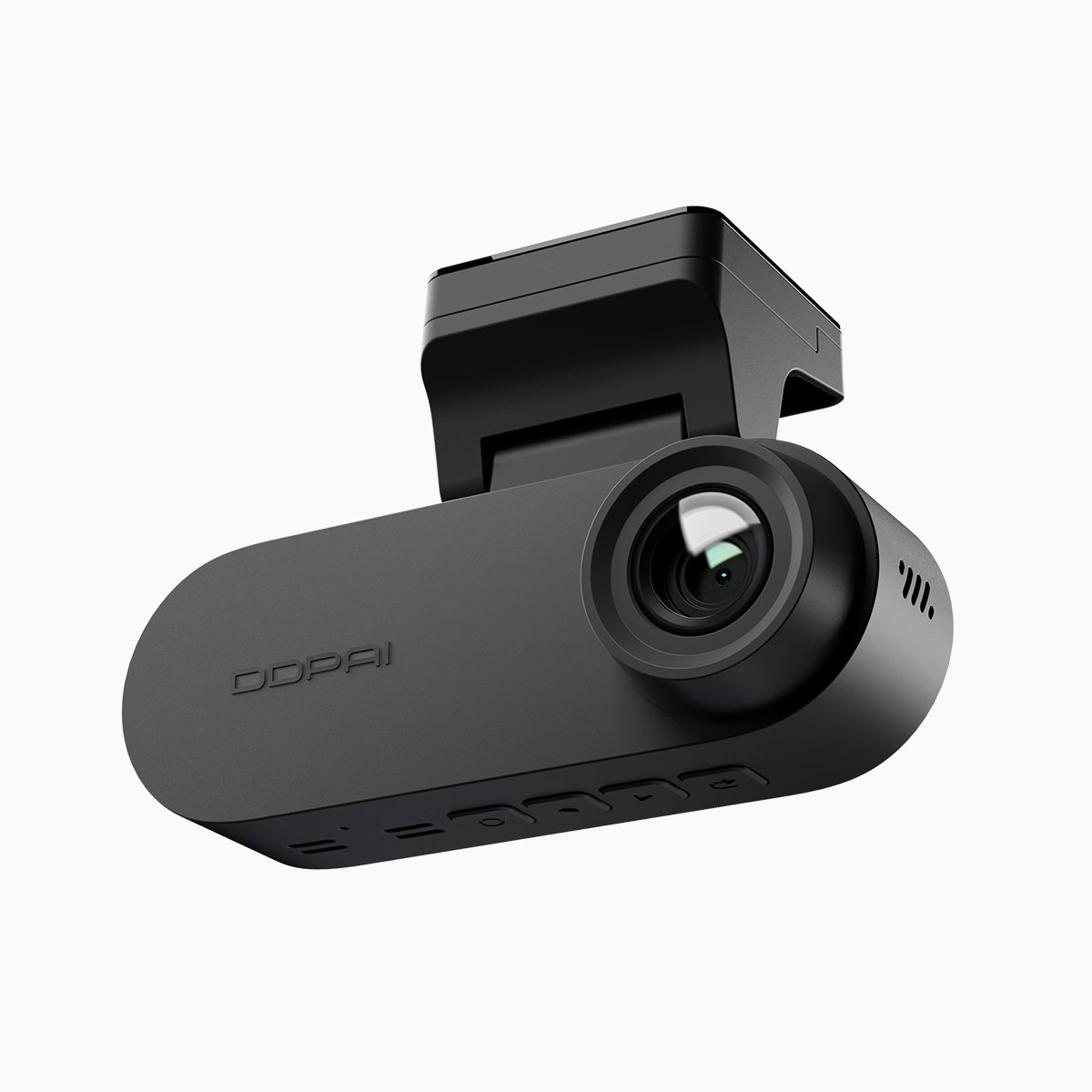
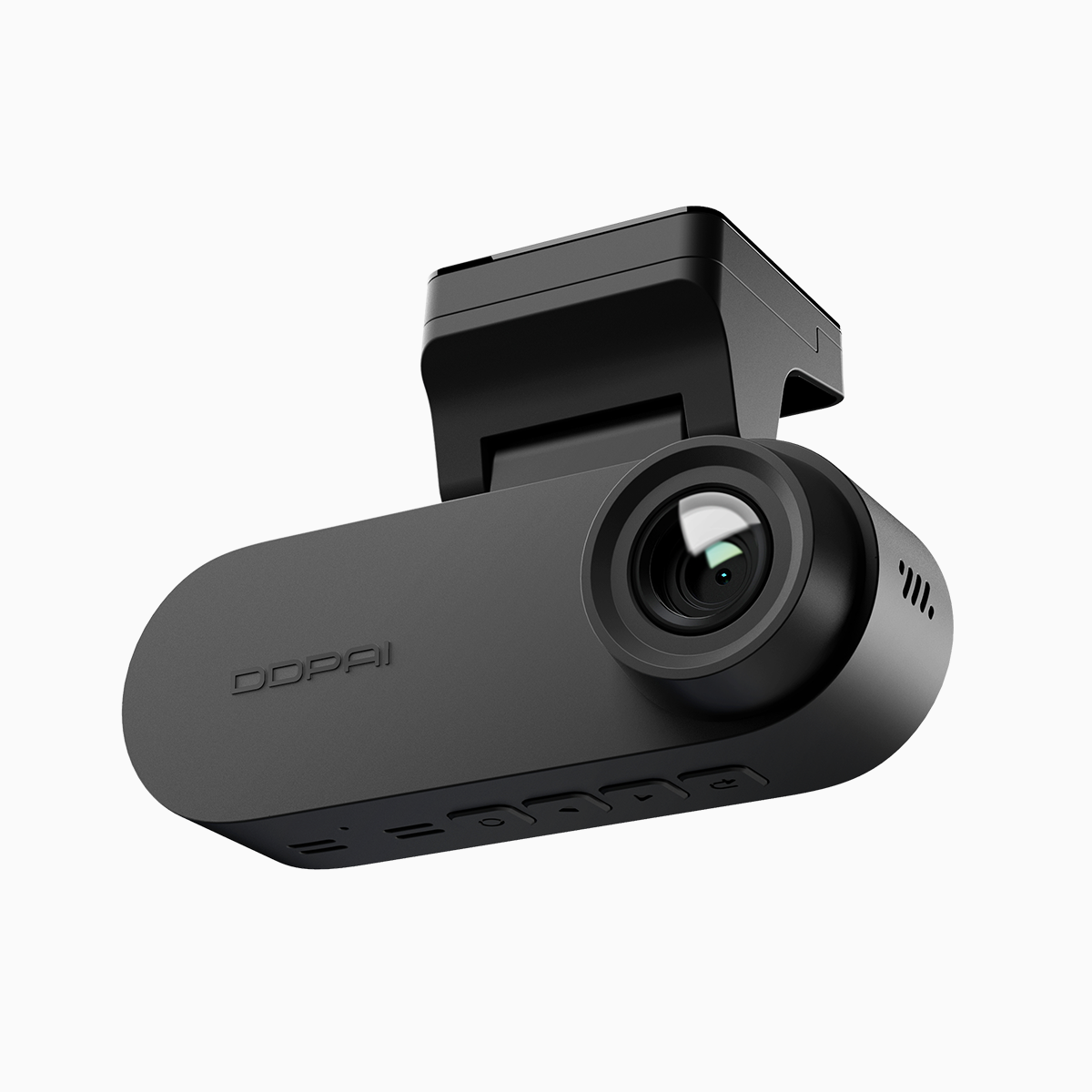
Viewed through a comparative lens, the decision between a supercapacitor and a lithium battery traces a practical arc: resilience versus endurance. DDPAI’s recent reengineering of a dual front-and-rear system acknowledges that balance, and it’s visible in how the company tuned thermal performance and parking mode behavior for local conditions. The new line—evident in the front and rear dash cam models—leans into components and firmware choices that matter on Manila’s sun-baked streets as much as on provincial roads.
Historical context: how vehicle cameras handled power
Dash cams began as impulse-mounted recorders with simple lithium packs and basic loop recording. Over the last decade, designers learned that continuous exposure to heat and vehicle vibration shortens battery life and invites failures such as swelling or worse—thermal runaway. The story shifted when engineers introduced supercapacitors for short-term backup, because they tolerate high temperatures and have long cycle life. That history explains why manufacturers now mix approaches rather than adopt a single solution.
Thermal realities of the Philippines and the engineering response
The Philippine climate shapes hardware choices: daytime highs in Metro Manila often climb above 32°C during the dry months, and vehicles parked under direct sun are subject to even higher internal temperatures. Engineers respond by specifying components rated for elevated temperatures, reworking ventilation paths, and adapting firmware to limit battery stress. The result: systems that preserve critical parking mode functions while avoiding premature component failure—practical design, not vanity.
Technical comparison: what each power source delivers
Supercapacitor: excels at heat tolerance, rapid charge/discharge, and longevity. It supplies enough energy for safe shutdowns, timestamp retention, and short parking mode events driven by a G-sensor or motion detection. It won’t deliver hours of continuous recording without external power, but it reduces the risk of heat-related failures.
Lithium-ion battery: provides longer standalone recording and can sustain extended parking surveillance when paired with a hardwiring kit. However, it needs thermal management and periodic health monitoring because elevated temperatures accelerate capacity loss and increase the chance of swelling. Firmware that limits charge thresholds helps—but it’s still more sensitive than a supercapacitor.
Design trade-offs for parking mode
Parking mode is the field where trade-offs matter most. A supercapacitor-backed system prioritizes reliability: brief recordings, event buffering, safe shutdowns, and stable timestamps. A lithium-backed system prioritizes duration: longer continuous recording and more comprehensive coverage while parked. DDPAI’s approach is to optimize parking mode behavior—event-trigger thresholds, low-power standby, and loop recording—so that a dual camera records essential events without courting thermal risk.
Alternatives, common mistakes, and a realistic anchor
Many users opt for cheaper lithium-equipped units without hardwiring or ignore firmware updates; both choices invite problems. Installing a dedicated hardwiring kit and updating firmware reduces false triggers and keeps a system within safe thermal envelopes. Real-world anchor: in Cebu and Manila, drivers who left older lithium-powered dash cams in midday sun reported reduced battery life and, in some cases, visible swelling. Manufacturers and technicians have documented these patterns, and they inform current best practices.
Practical guidance for buyers
When choosing between supercapacitor and lithium designs, weigh three practical aspects: ambient heat tolerance, desired parking recording duration, and long-term maintenance. Consider also features like motion detection tuning, G-sensor sensitivity, and reliable loop recording. For users who need extended unattended surveillance, a quality hardwiring kit plus a lithium system might be appropriate—if you commit to monitoring battery health. For those prioritizing heat resilience with minimal upkeep, supercapacitor-backed units offer predictable reliability.
Three golden rules for selecting a dash cam
1) Prioritize thermal rating and real-world testing over headline capacity—components rated for high temperatures matter more than large battery numbers. 2) Match parking mode strategy to use: if you park long hours under sun, prefer systems that minimize continuous drain; otherwise, install a hardwiring kit and monitor battery health. 3) Keep firmware current and tune motion/G-sensor settings to reduce needless recording and heat cycles. These metrics—thermal tolerance, parking duration, and maintainability—serve as quick evaluation tools when comparing models like the newer 2 way dash cam options on the market.
The choice between supercapacitor and lithium is not ideological but practical: one favors predictable endurance under heat, the other buys longer surveillance at the cost of careful management. DDPAI’s engineering choices make that calculus simpler for Philippine drivers—practical design that meets local realities, and a mature product line that respects both reliability and coverage. DDPAI PH.—