Problem focus: throughput versus critical air cleanliness
Medical device sterilisation units face a hard trade-off: raise throughput to meet order books, and you risk lapses in HEPA filter performance and EO residual control; slow down for perfect parameters, and margins suffer. At the recent international medical expo many manufacturers discussed this precise tension, ji—supply chains and sterilisation teams are seeking processes that protect both patient safety and production targets.
Why HEPA efficiency is a non-negotiable benchmark
HEPA filtration sits between the cleanroom environment and the EO steriliser room. A HEPA unit that does not sustain near-absolute capture of submicron particles compromises both contamination control and process repeatability. Industry practice treats HEPA efficiency at 0.3 µm — commonly cited as 99.97% — as a baseline for sterile processing areas. When filtration dips, bioburden control and the sterility assurance level (SAL) for devices become harder to guarantee, and EO cycles must compensate with longer exposure or aeration, which reduces net yield.
Concrete levers to improve yield and precision
Successful wholesale EO programmes use a short, strict set of controls rather than many wishful checks. Focus points include: load configuration to avoid dense stacks that impede gas penetration; precise control of humidity and temperature in each EO cycle; validated aeration times to reduce residuals; strict HEPA maintenance and periodic integrity checks; and continuous environmental monitoring for particulate and viable counts. Use biological indicators and routine bioburden assays—remember the typical bioburden incubation window is 14 days for retention samples—so validation data remain robust and defensible.
Operational detail: sequencing and monitoring
Sequence optimisation gives quick wins. Start with smaller, consistent loads during validation runs to map EO penetration; once profiles are stable, scale according to validated parameters. Implement inline sensors for EO concentration, humidity and temperature so cycles adapt to real inputs rather than guesses. For HEPA, integrate differential pressure and particle-count monitoring to flag filter loading early. These steps reduce rework and the need for extended aeration that eats into throughput—small changes, big effect, and yes, they require discipline.
Common mistakes that erode both yield and control
Poor packaging choices that trap gas, inconsistent load patterns, deferred HEPA maintenance, and neglect of aeration validation are frequent culprits. Another common oversight is relying solely on cycle time instead of data-driven endpoints. Fix these by documenting load maps, performing routine filter integrity testing, and keeping a log of EO residual measurements after aeration. Avoid ad hoc cycle adjustments during production; let validation govern any permanent change.
Medtec insights and a real-world anchor
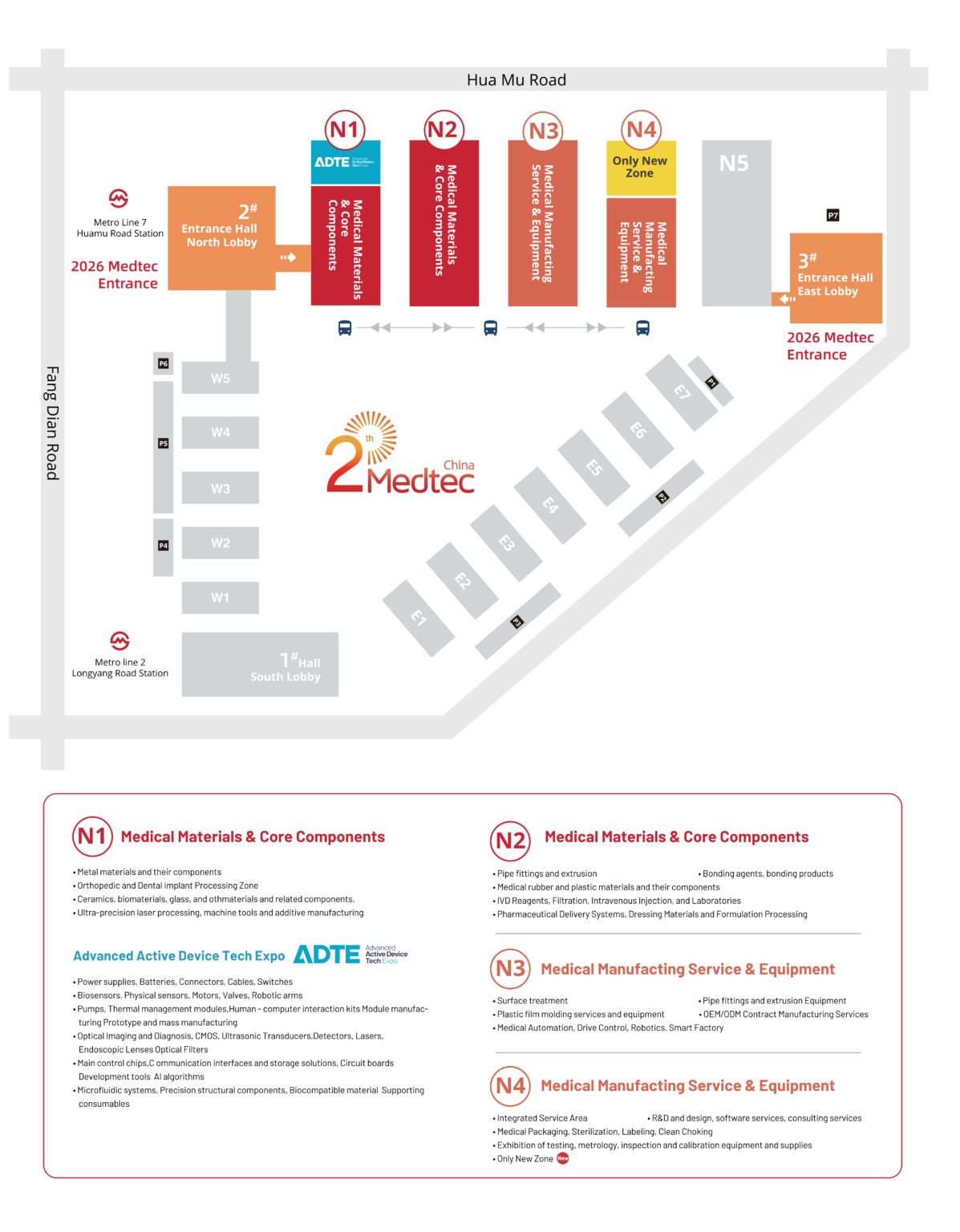
At Medtec 2026 in Shanghai many suppliers showed integrated monitoring suites that bridge steriliser data with facility air-handling systems—this was a concrete illustration of the problem-driven solutions discussed here. The event underscored that aligning HEPA performance and EO cycle control is not theoretical: it is a logistical and engineering problem solved with consistent metrics and automation. The presence of vendors demonstrating real-time particle counters and aeration analytics made the discussion grounded and practical.
Advisory: three golden rules for selection and audit
1) Measure what matters: insist on routine HEPA integrity checks, EO concentration logs, and post-aeration residual testing; these metrics show true process control. 2) Validate before scale: run confirmed penetration studies and mapping with representative loads, then lock the cycle parameters into SOPs. 3) Keep maintenance predictable: scheduled filter replacement, calibrated sensors, and documented aeration performance prevent surprise downtimes and inconsistent SAL outcomes.
Teams that adopt these rules will see steadier yield, clearer compliance evidence, and fewer production interruptions—qualities showcased at events like Medtec.
– steady, practical, made for the floor.