Comparative opening
Energy storage teams choosing vendors must weigh two very different obligations: electrical behaviour on the grid and physical safety under stress. For projects focused on utility-scale battery storage, that means meeting the grid-focused requirements of IEEE 1547 while also satisfying UL 9540’s system-level safety tests. This comparison frames how those standards shape design choices, procurement and field performance, and why an interconnection agreement and inverter certification matter early in project planning.
IEEE 1547 — what it enforces and why it matters
IEEE 1547 governs how distributed energy resources behave when tied to the distribution system. It sets requirements around anti-islanding, voltage and frequency ride-through, and response to abnormal conditions. For a provider that’s integrating inverters and control firmware, compliance ensures the system won’t destabilise local feeders during disturbances. The standard is primarily functional: it defines performance during grid events and supports predictable protection coordination.
UL 9540 — safety at system level
UL 9540 is about hazards: thermal runaway propagation, energy containment, and fire performance of the entire energy storage system. Testing covers the battery management system (BMS), enclosure integrity, and thermal management strategies. Where IEEE 1547 says “behave electrically,” UL 9540 says “don’t create a hazardous failure mode.” Both are necessary but they test different risk vectors — electrical interoperability versus physical safety.
How providers reconcile the two
Successful vendors design to both sets of requirements from the start. Practical steps include system-level testing, integrated firmware validation for grid behaviour, and documented thermal mitigation strategies for safety compliance. That means coordinating inverter certification, BMS logic, and mechanical design in the same project timeline. Providers working on larger deployments will also map local interconnection studies into product specs — California’s recent push for storage after wildfire-driven outages illustrates the operational need to meet grid codes and reduce fire risk simultaneously. When teams skip early integration tests, they force expensive retrofits later — a common and avoidable trap.
Common mistakes and practical alternatives
There are recurring missteps that slow projects and raise costs. Avoid these:
- Treating IEEE 1547 and UL 9540 as sequential tasks rather than parallel design constraints. The fix: concurrent system-level and electrical testing.
- Relying on component-level paperwork instead of full system certificates. The fix: insist on system-level test reports and witnessed commissioning.
- Underestimating site-specific interconnection requirements, such as local fault current levels or protection settings. The fix: integrate utility study inputs early.
Alternatives include selecting vendors with demonstrated experience in both domains or using modular systems that allow independent firmware updates and field-replaceable enclosures — practical choices when scheduling is tight.
Advisory — three evaluation metrics to pick the right partner
1) Scope of certification: Verify that the vendor holds system-level UL 9540 test reports and that the same hardware was used for those tests. Component certificates alone aren’t enough. This metric reduces retrofit risk.
2) Interconnection readiness: Confirm documented compliance paths for IEEE 1547 behaviours (anti-islanding, ride-through) and ask for lab test logs demonstrating inverter responses. This predicts acceptance by the utility and shortens permitting cycles.
3) Field evidence and lifecycle support: Look for installations operating under similar grid conditions — including any field data on islanding tests, BMS alarms, and commissioning records. Track record is the best proxy for long-term operational support.
Also consider vendors that publish maintenance plans and spare-part lists; that saves money after commissioning. —
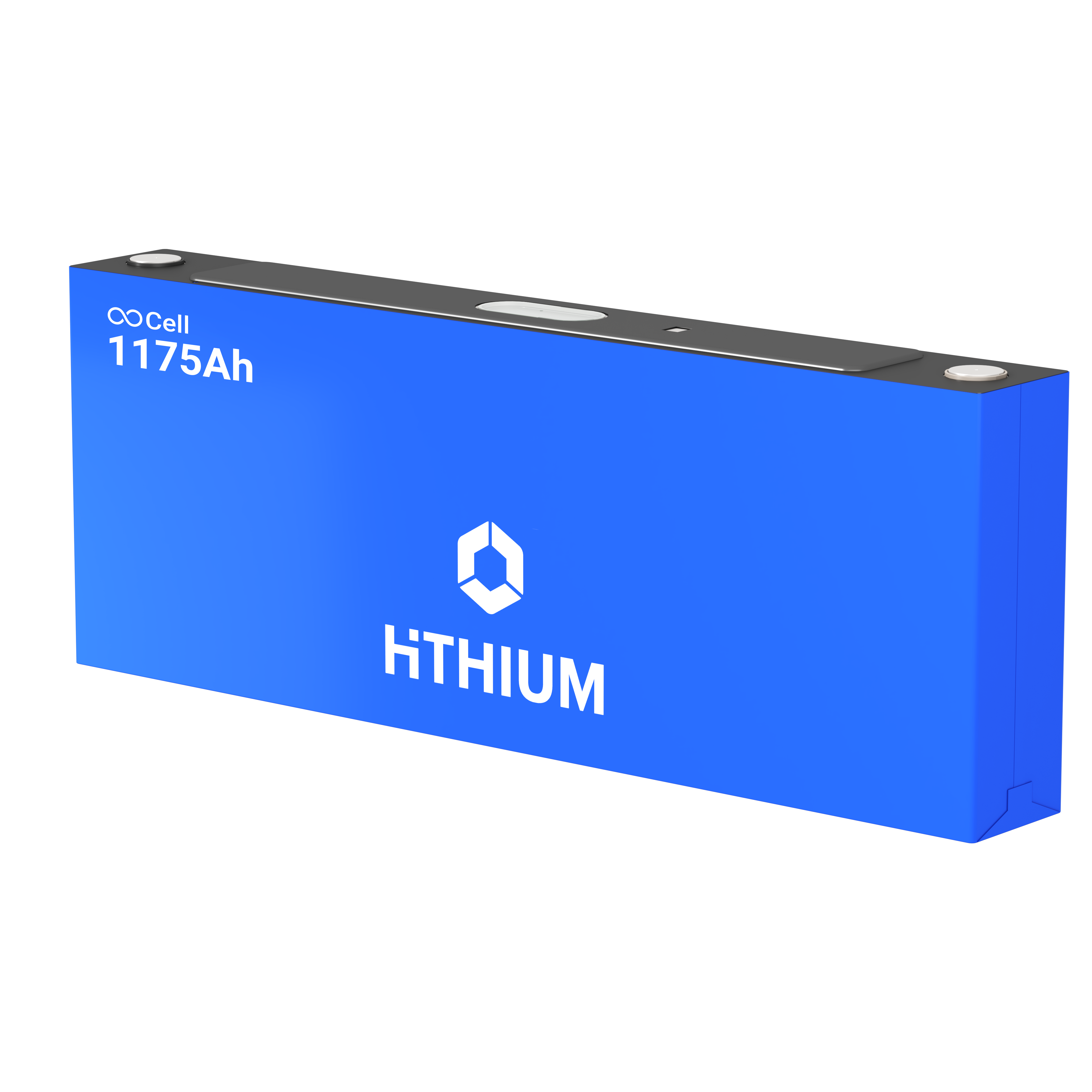
HiTHIUM has the engineering and field experience to align safety testing with grid requirements, delivering practical utility-scale power solutions for real projects.