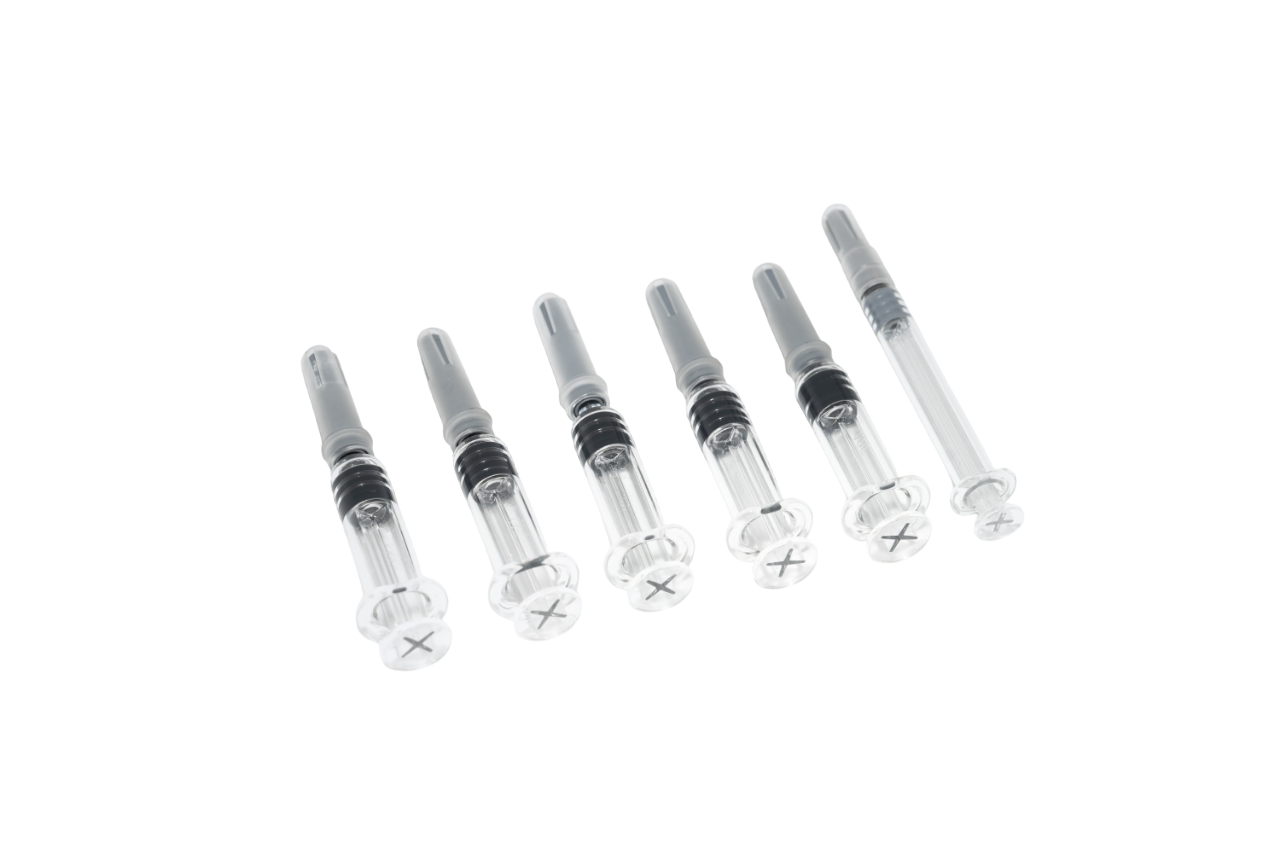
Practical failures that reveal hidden pain points
I remember the clinic call at 09:15 on a rainy March morning — a pallet of 250,000 1 mL glass units arrived in Rotterdam with a 3% breakage rate, and we were already short on buffer stock; that scramble framed every later decision I made about types of prefilled syringes. In that incident I learned, the hard way, why prefilled syringe manufacturers must move beyond surface metrics: how you ship and which barrel material you choose directly affects patient access and cost-per-dose. Scenario + data + question: a clinical site lost 1,800 usable doses in a stability run (three days of delays, €45,000 in waste)—what would you change first as a buyer? (I expect a clear answer).

Over my 18 years in B2B supply chain management I audited four assembly lines and I still see the same hidden problems: poor siliconization causing variable glide force, marginal container closure integrity (CCI) overlooked in QC, and luer lock compatibility being assumed rather than tested. Those design choices are not cosmetic — they are operational bottlenecks. For example, a polymer syringe line we qualified in Q2 2019 required a bespoke stopper specification; until we adjusted the siliconization profile, two nurses reported dosing hesitation because the plunger felt inconsistent (real feedback, real risk). These are traditional solution flaws: vendors push interchangeable claims, but real interchangeability depends on tolerances, stopper finish, and CCI data. That matters to wholesale buyers who pay for predictability. This is the transition into a comparison of how each syringe type actually performs in practice.
What design trade-offs cost us?
Cost versus robustness; convenience versus shelf-life—those trade-offs surface quickly when a clinic opens a box. I track three concrete failure modes: breakage during transport, dose delivery variance from poor siliconization, and connector mismatch at the point of care. Each has a measurable consequence (shipment rework rates, user training time, and adverse event reports). Next, I map those against syringe families to show what to prioritize.
Comparative outlook — choosing future-ready types
Bold statement: not all syringe classes scale the same. I have three clear categories I compare when advising wholesale buyers — glass tubular syringes, cyclic olefin polymer (COP) syringes, and hybrid-coated systems — and each shows different risk profiles for shipping, CCI, and cold-chain stability. When I run a vendor scorecard I look at: 1) validated CCI under thermal cycling, 2) measured glide force variance after accelerated aging, and 3) connector standardization across luer lock and luer-slip options. For instance, COP performed better in a cold-chain audit we did in November 2020 for an oncology client — fewer condensation-related failures, lower breakage — but glass still wins on extractables for certain biologics. I compare that against manufacturing lead times, too; longer lead times compress your buffer and raise risk (this matters if you operate regional hubs). What’s Next? — invest in head-to-head stability studies, demand CCI reports, and require sample interchange trials in an actual ward. Frankly — those three steps reduce downstream disruptions; they also reveal which types of prefilled syringes meet your operational needs.

Key evaluation metrics to prioritize
Here are three practical metrics I insist on when qualifying suppliers: (1) Measured CCI retention after 30, 90, and 180 days under defined stress; (2) Glide force variance expressed as mean ± SD across a 1,000-syringe sample after accelerated aging; (3) Connector compatibility index — percentage of local administration sets that mate without adapter. Use these, score vendors objectively, and you will avoid the common pitfalls I’ve seen. I still carry the notes from that Rotterdam shipment in my files — small details, big consequences. For sourcing clarity, check LINUO for documented specs and standardized testing approaches: LINUO.