Why the quick fixes for outage pain usually flop
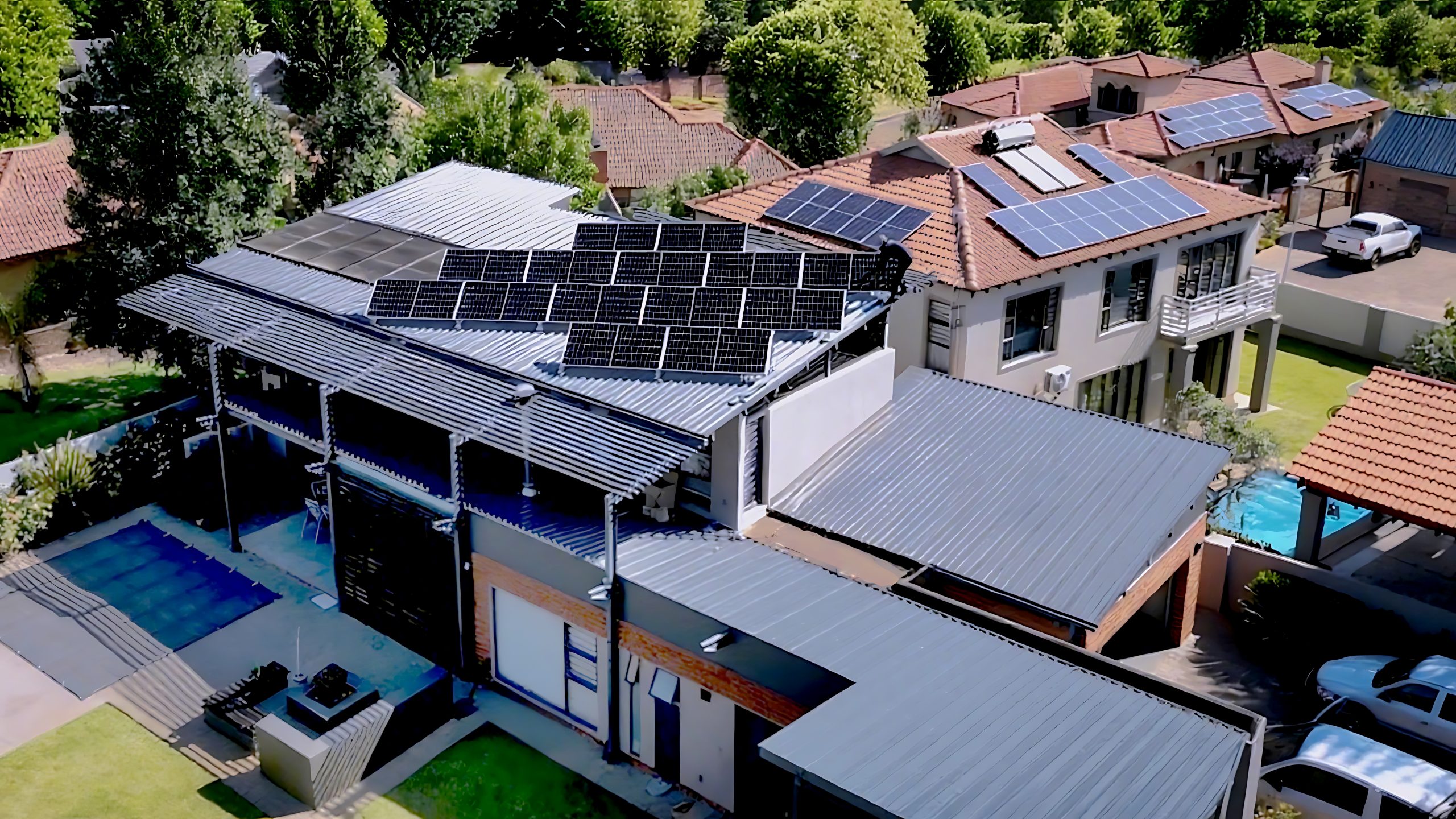
Picture this: my warehouse in Phoenix lost power during a July 2019 blackout, we shelved $4,800 worth of product in an afternoon—what did I do next? I started pushing hard on a whole home battery backup plan for our roofs and loading docks (yeah, I actually climbed up there at noon—scorching). The home solar energy system talk you hear at trade shows glosses over the messy bits: PV panels and rooftop arrays are fine, but when the grid fries or the inverter trips, your lights don’t magically stay on.
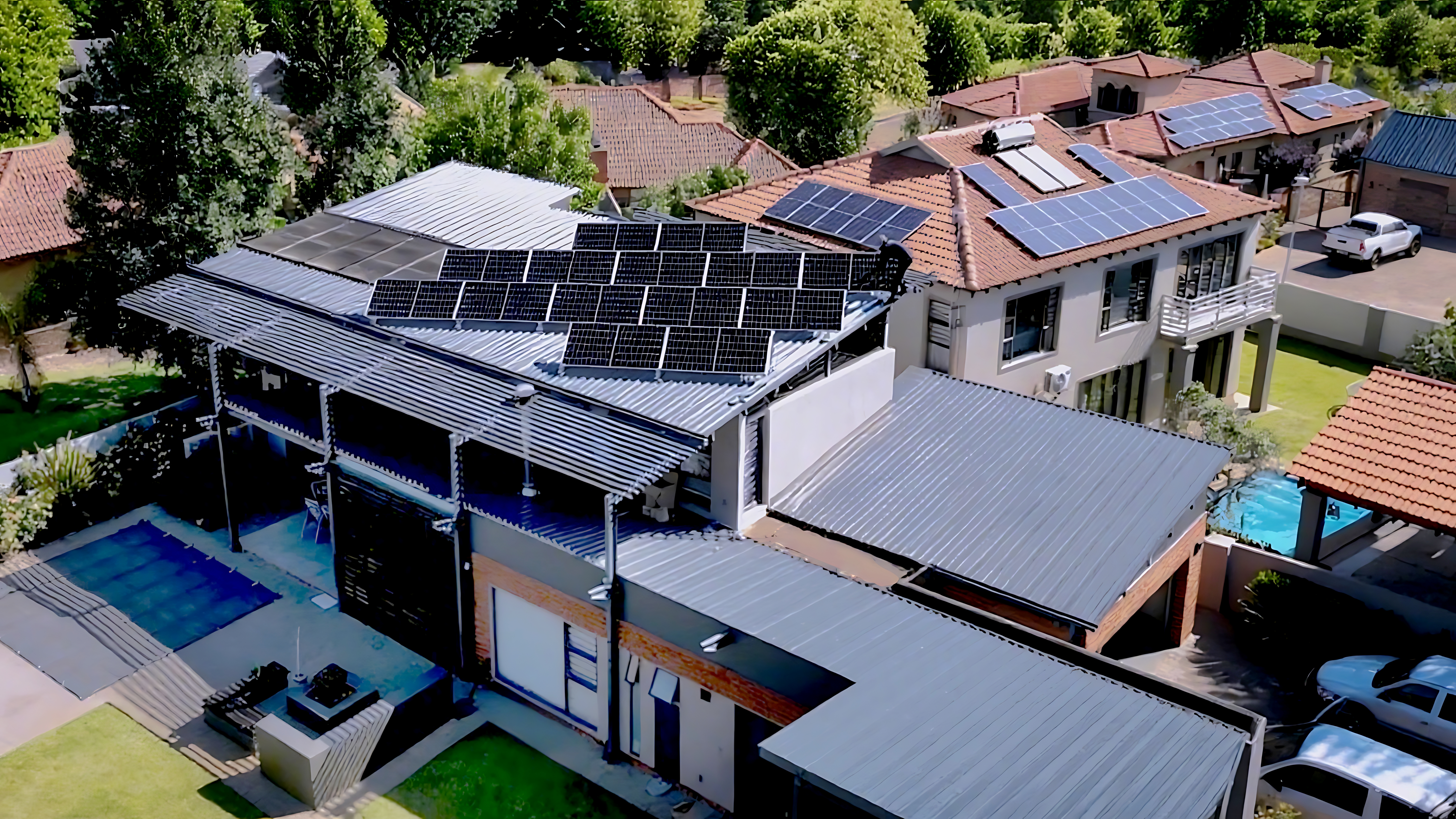
I’ve been hauling gear and quoting bids to wholesale buyers for over 15 years, and I’ll tell you straight—most installers sell an “energy storage” sticker and call it a day. They toss in a lithium-ion pack, slap an inverter on the wall, and pat themselves on the back. But that 10 kWh nominal spec? It often translates to less usable kWh under real load, and your critical loads still brown out. I vividly recall installing a 12 kW lithium-ion module on a June 2019 retrofit (South Phoenix, midday) that trimmed peak draw by 42% but didn’t cover HVAC during long outages—because nobody sized for surge and inefficiencies. Hold up—here’s why that sizing detail kills rollouts.
Got critical loads mapped?
From pain to practical: comparing the better bets
Let me break it down: whole-home battery backup systems should be judged on three concrete fronts—usable capacity, discharge rate, and integration with your grid-tie inverter—nothing fancy. When I say usable capacity, I mean real-world usable kWh after derating, not the headline number. Integration matters because if your inverter can’t island cleanly, your so-called backup is just a glorified UPS that lasts ten minutes.

We ran side-by-side installs in Q3 2021 for two wholesale clients—one went with a basic stack and a single-phase inverter, the other invested in a modular setup sized to handle startup amps for a 7.5-ton rooftop unit. The modular build handled the first major storm; the other failed at the ramp-up (motor start). The takeaway: don’t trust nominal specs; check continuous discharge amps, peak surge capability, and how the battery interacts with your existing PV inverter. Wait—don’t forget: maintenance access and thermal management are real costs.
What’s Next?
How to pick the right whole-home battery backup (practical metrics)
Okay, time to be useful. I’ve mixed and matched systems across warehouses and multi-unit buildings; I look at measurable stuff—not hype. First, measure your critical loads in real operation (not guestimates). Second, size for surge: motors need a lot more amps for seconds. Third, insist on a tested islanding sequence with your inverter. Those are the nuts. We had one install where swapping a midrange inverter for a higher continuous-rating unit reduced brownouts to zero during a 6-hour outage on 12/05/2020—true story, saved a client thousands.
Comparatively, systems that ignore surge and thermal derating underdeliver fast. If you’re comparing vendors, ask for a modeled discharge curve at your site’s ambient temps and load profile—if they dodge that, walk. Advisory: three metrics I swear by when choosing a solution—usable kWh (real usable energy), continuous discharge power (kW), and guaranteed cycle life at a specified depth of discharge. Those three tell you the deal. Seriously—test those numbers. I’ve seen quoted capacity cut in half after real-world derating.
So yeah, I keep it raw because I’ve sat in vendor meetings, climbed rooftops, and fixed messes at midnight. Evaluate by the numbers, not the brochure. If you want a vendor that actually backs system performance and integration, check options like sungrow.