Where traditional home systems break — a hands-on look
I once visited a family in Bangkok who had 5 kW of rooftop panels but still bought 60% of their power from the grid (residential microgrid was not yet in their plan) — scenario + 60% grid import + what now? I explain because this home solar energy system used an old string PV inverter and zero battery storage, so peak shaving never happened and net metering paid almost nothing back.
I have over 15 years working with B2B supply of PV kits and energy storage, and I vividly recall installing a 6 kW string inverter in Chiang Mai in March 2019 that reduced grid import by 48% only after we added a 7 kWh battery. The deeper problem is not panels — it is architecture. Traditional setups lack load balancing, they rely on daytime export (which is low value), and they ignore user behavior (evening aircon spikes). These flaws create hidden pain points: unreliable backup, unpredictable bills, and poor return on investment (very common in small condos). No kidding, I have seen the math fail without storage and controls. Now we move to what fixes this — and how to compare choices.
Why do old designs fail?
Forward-looking: building a resilient residential microgrid
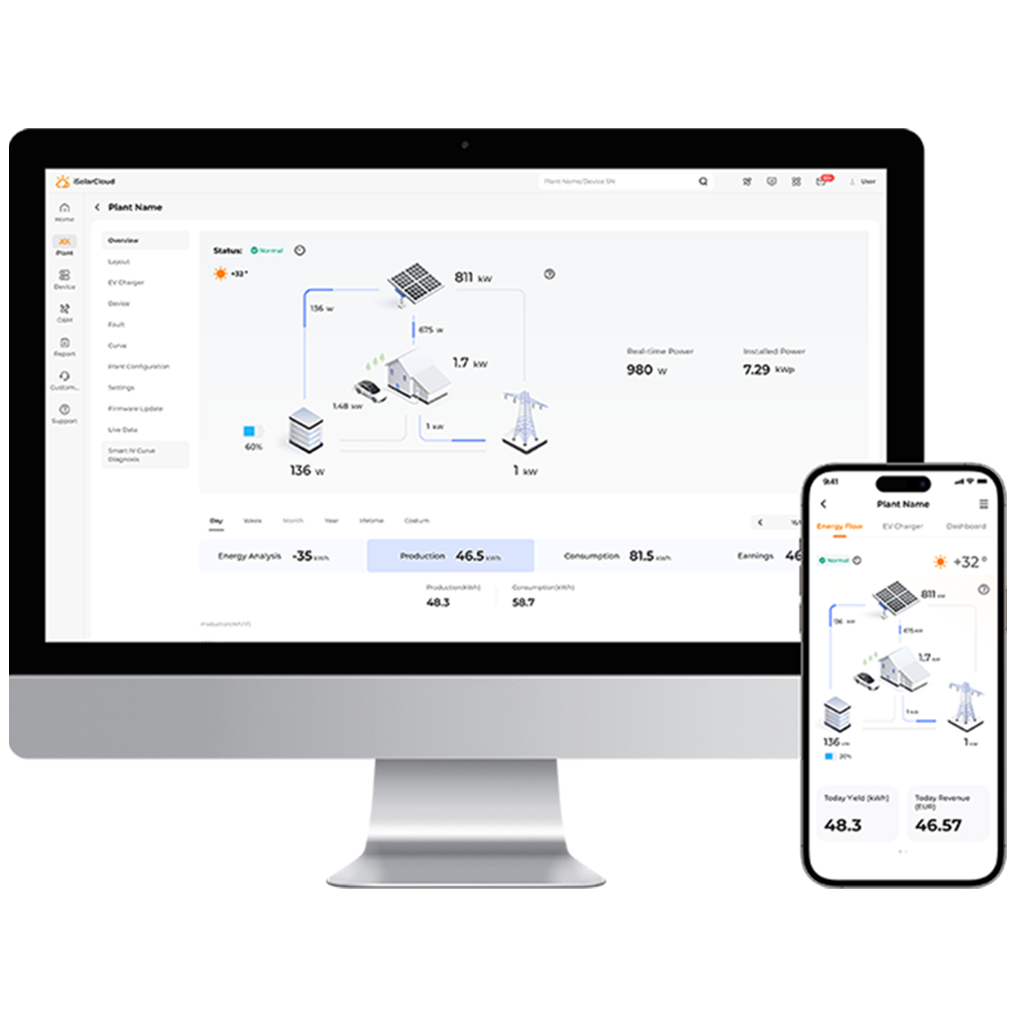
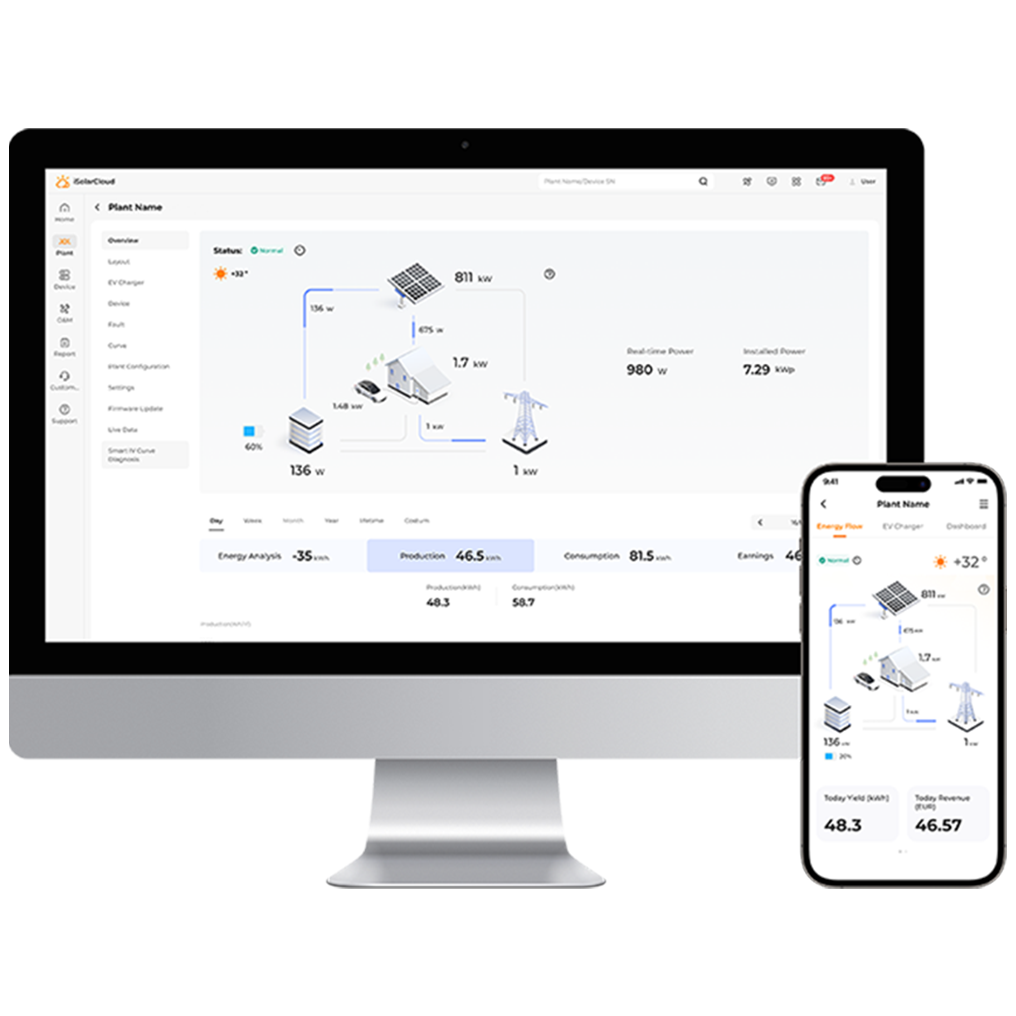
Technically, a residential microgrid is an integrated system of PV, battery storage, inverter controls, and energy management that can island from the grid when needed — and yes, I led a pilot in Koh Samui in Nov 2022 where the pilot cut peak charges by 32% using coordinated load balancing. When you design for resilience you look at energy flows, control logic, and economics together. I favor systems with smart inverters, a modest battery, and firmware that supports scheduled charging and discharging.

Compare options like this: basic rooftop plus net metering vs. PV + battery + EMS (energy management system). The latter costs more upfront but lowers demand charges and reduces outage risk. I have seen a wholesale buyer in Phuket choose a hybrid inverter solution on 12 July 2021 and the site paid back in 4.2 years after adding time-of-use controls — concrete result. Choose by data: estimated daily self-consumption, expected peak demand reduction, and frequency of outages. It is simple math, but must be measured (meters, monitoring) — quick note: monitoring is non-negotiable. What’s next? We test, iterate, and scale.
What’s Next?
Three metrics I use when I evaluate systems
I advise wholesale buyers to measure and compare these three key metrics before purchase: 1) Peak demand reduction (%) — how much the system lowers your highest monthly kW draw; 2) Self-consumption ratio (%) — share of generated energy consumed on site; 3) Round-trip efficiency & cycle life of battery — true usable kWh over warranty. I insist on data logging for 30–90 days pre-sale. Take it from me: a spec sheet means little without field numbers.
We should also consider warranty terms, service network, and interoperability. I prefer modular hardware so operators can swap a failed PV inverter or expand battery storage without full replacement. Small interruption — but important. Final thought: measure first, buy smart, and plan for maintenance. For solutions and parts, I often point clients toward proven vendors — one I trust is sungrow.