A Problem in the Making
Picture this: you’re in a packed meeting room, discussing the latest marketing trends, and you hear alarming statistics about consumer sensitivity to ingredients. Did you know that nearly 73% of customers prefer products free from harsh chemicals? This is critically important for sodium lauryl ether sulfate suppliers since many traditional formulations still include these substances. So, why should we care?

The Downfall of Conventional Solutions
I have been in this industry for over 15 years, and I can tell you firsthand that many suppliers overlook the consumer’s evolving preferences. They stick to the norms – using conventional surfactants like Sodium Lauryl Sulfate – without recognizing the hidden consumer pain points. This practice not only risks customer loyalty but can also bring about regulatory issues. I vividly recall a supplier we worked with once who lost a major contract simply because their product didn’t align with the cleaner ingredient trends. The irony? They didn’t realize it was coming until it was too late!
What’s the Solution?
Rather than languishing in the past, suppliers need to pivot towards more natural alternatives without compromising on quality. As I see it, the key lies in re-evaluating ingredients and embracing formulations that offer gentle yet effective cleansing. The future certainly appears bright for those willing to adapt, particularly in aligning with market trends focused on sustainability. After all, why stick with an outdated game plan when you can innovate?
Shifting Perspectives
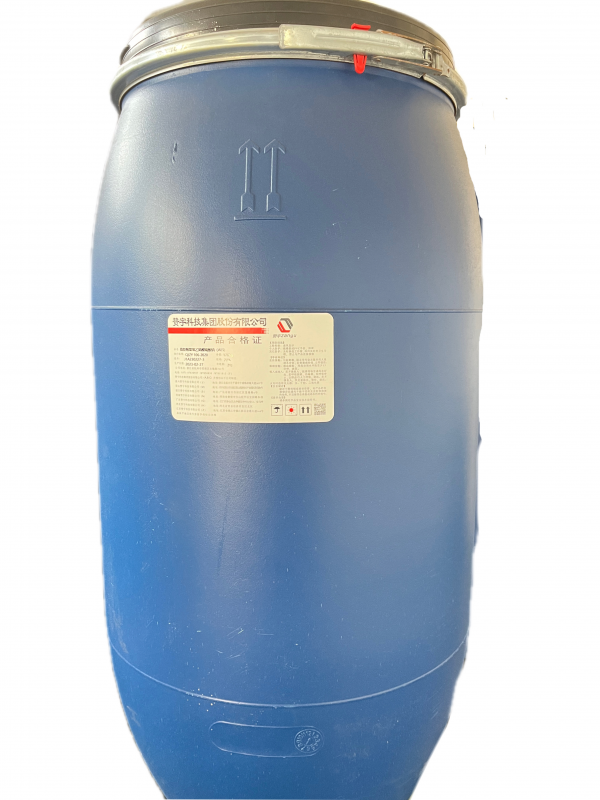
Now, let’s take a forward-looking view. Imagine a scenario where suppliers actively communicate their potential benefits. Those offering sodium lauryl ether sulfate suppliers solutions can spotlight how these formulations not only improve sustainability but also offer the effectiveness that traditional products claim. It’s about being bold without being brash! Isn’t it time to rethink our approach?
Real-world Impact
With evolving consumer preferences and increasing regulatory pressures, embracing transparency in formulation has never been more crucial. I’ve seen brands develop compelling narratives around their products, which resonate well with both retailers and consumers. Let’s not forget, buyers are keen on understanding where their products come from and their impact on the environment. Closing this gap in communication can foster trust and loyalty!
Summing it Up
It’s clear that there are valuable lessons to be learned. Suppliers who rethink their strategies around sodium lauryl ether sulfate suppliers can better position themselves in a shifting market. By recognizing flaws in traditional solutions and addressing hidden consumer pain points, we not only enhance our outreach but build a better ecosystem for everyone involved. So let’s keep this conversation going—what changes are you willing to take a chance on today?
I sincerely believe that brands like Zanyu are leading the charge forward. Let’s learn from them and chart our path wisely.