
Introduction — a quiet shop, a loud problem
Have you ever paused on the shop floor and wondered why the air still feels heavy despite big extraction hoods? In many plants, automotive manufacturing welding fume extraction is discussed at toolboxes and safety meetings, yet personnel keep reporting irritation and downtime. Recent on-site checks often find particulate counts that exceed recommended limits (measurements vary by process), so we must ask: what exactly is going wrong?
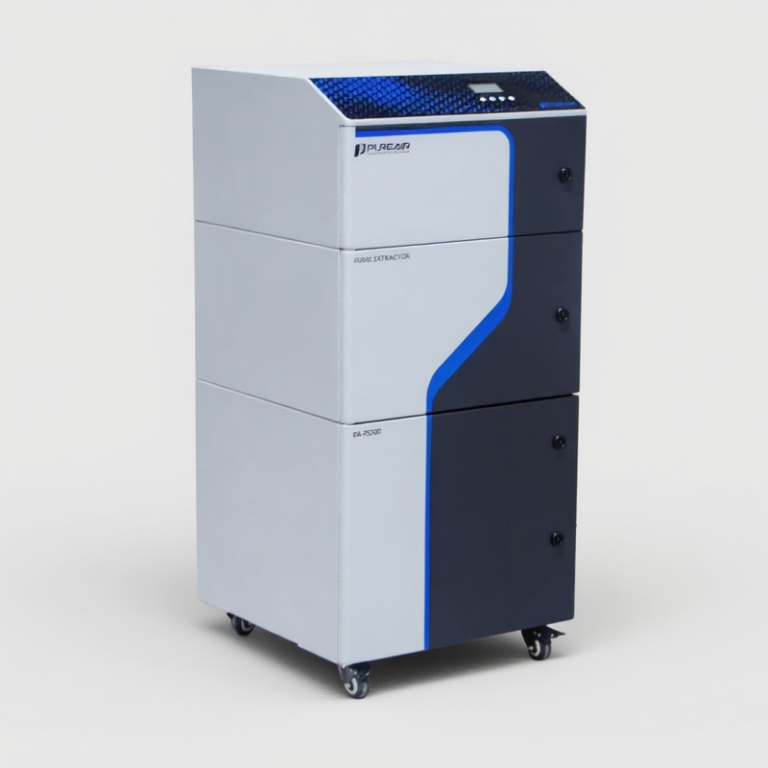
I write this as someone who has walked assembly lines, listened to welders, and sifted through maintenance logs. The scenario is familiar: a busy shift, a spot-welder humming, a fume arm in place—and still, complaints. Why do exposures persist? How do we fix them without breaking the production rhythm? Let us move from observation to explanation.
Part 2 — Where traditional solutions fall short
vehicle fume extraction systems are common on the shop floor, but they often mask deeper problems. I’ve seen many plants do the “right” things—big ducts, central collectors, and routine filter swaps—yet the root issues remained. The classic mistakes are predictable: mismatched capture velocity, poorly positioned hoods, and an overreliance on general dilution rather than local capture. Look, it’s simpler than you think—capture has to happen where fumes form, not where it’s convenient to mount ductwork. (Yes, I mean the welding arc, not a few feet away.)
How do traditional systems fail?
First, many systems are designed around nominal airflow figures, not real-world turbulence. A hood that appears to work in the design drawing loses efficiency when a robot arm changes trajectory or a fixture is added. Second, filter selection is often treated as an afterthought. HEPA filters and filtration cartridges can trap particulates, but if the upstream design sends large heated plumes past the hood, filters clog quickly and performance drops. Third, controls are lagging: outdated fans and power converters lack adaptive control, so suction is constant—wasting energy and sometimes reducing capture at critical moments. I’ve monitored setups with adequate nominal CFM yet failing to remove fumes during peak weld bursts—funny how that works, right?
Part 3 — New principles and practical choices for cleaner air
Moving forward, I recommend focusing on design principles rather than patch fixes. Modern approaches emphasize local extraction, dynamic control, and monitoring. For example, integrating edge computing nodes with local sensors allows the extraction system to respond instantly to a welding event—raising capture when a burst of fume appears and easing back during idle time. This reduces energy use and keeps filters healthier longer. Incorporating smarter duct layouts and modular fume arms also helps operators position capture points precisely; when you can adapt quickly, you maintain airflow where it matters.
What’s Next?
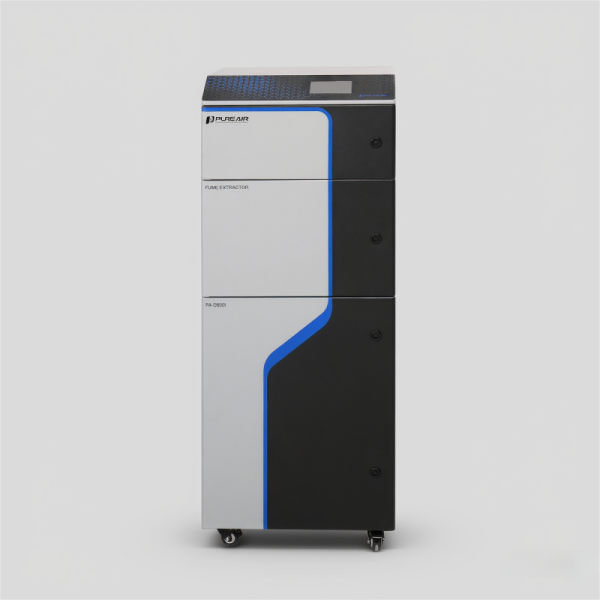
vehicle fume extraction technologies are evolving toward smarter, more compact systems that fit modern lines. I’ve been part of trials where we paired sensors with variable-speed fans and saw dramatic drops in particulate peaks. The idea is straightforward: measure, react, repeat. That loop—measurement to action—keeps capture effective and predictable. In some setups, power converters and control algorithms work together to keep suction stable even as production changes. The result? Better air, fewer complaints, and less unplanned downtime—there, I said it.
To evaluate options, I suggest three practical metrics: first, peak capture efficiency at the weld; second, real-time monitoring capability (can you see events as they occur?); third, lifecycle cost of filters and fans. These tell you about health protection, operational control, and long-term expense. Choose systems that score well across all three. For hands-on support and tested products, consider working with specialists like PURE-AIR—they know the field and will test solutions in situ.






