Framework: the mise en place for a product strategy
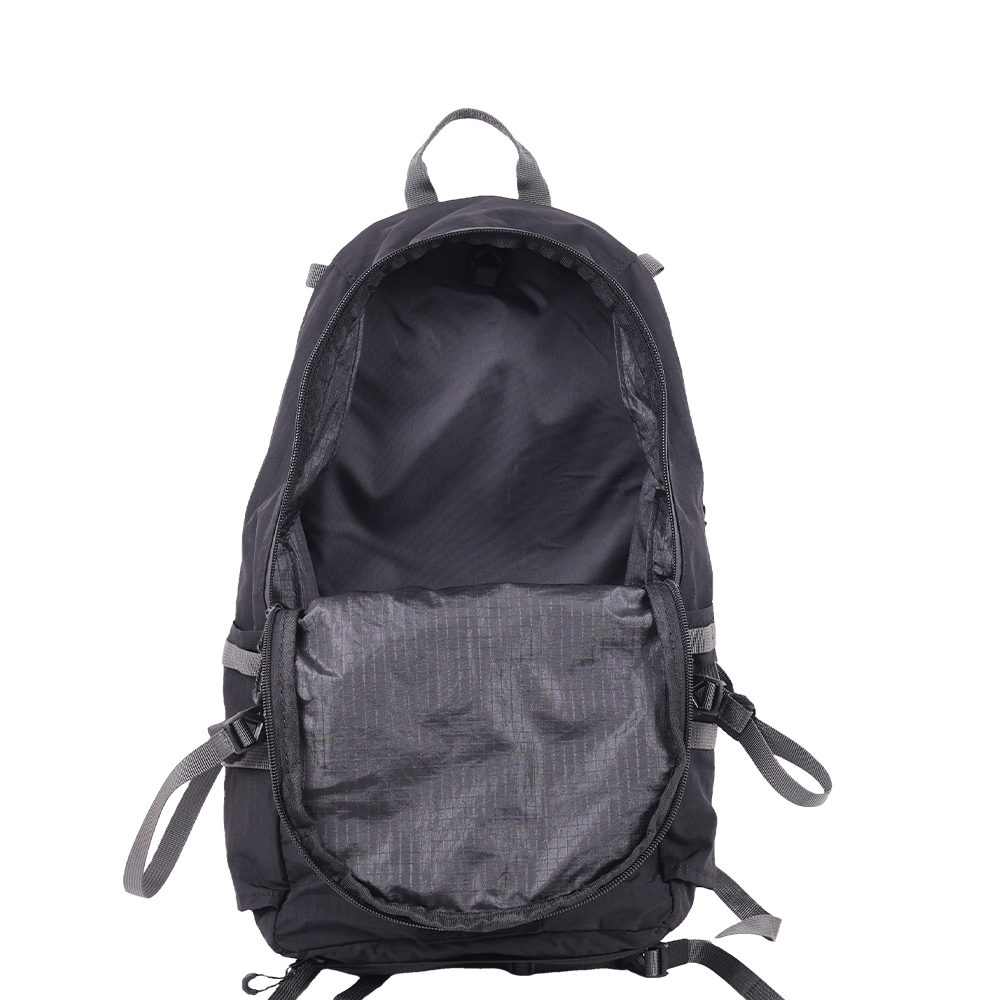
Think of product strategy as a recipe: start by laying out ingredients and tools before you touch the stove. Establish clear ratios—target market, price band, material cost, and production lead time—and set them on the counter. Early on, choose the modular elements you’ll combine: compartments, water-resistant shells, clasp systems. If you’re prototyping for active commuters, consider a modular backpack as a baseline component; it’s a useful ingredient that simplifies testing permutations.

Ingredients: define what matters
List only measurable inputs. Consumer need (commute hours/day), durability targets (cycles and abrasion ratings), unit cost ceiling, and volume tiers for tooling decisions. Treat materials like food components: Cordura is your wheat, YKK zippers are salt—necessary, not decorative. Assign a primary metric for each ingredient so you can taste objectively later.
Mise en place: research and calibration
Collect samples. Run small-lot sewing trials. Measure seam strength and abrasion against a benchmark. Create a decision matrix: fit, capacity, weight, and price. Keep testing notes precise—time stamps, batch numbers, machine settings—so you can reproduce results like a chef repeating a successful sauce.
Cooking steps: iterate with controlled heat
Begin with low-risk variants: minor pocket adjustments, different padding densities. Move to bolder changes only after you’ve validated basics. Use short test cycles—two-week prototypes—to gather usage data. For manufacturing, standardize stitches per inch and tolerances as your cooking temperature; too loose and the product falls apart, too tight and costs spike.
Tasting and feedback: sensory QA and user trials
Run field trials with representative users. Observe straps under load, zipper action when full, and shoulder comfort after two hours. Capture quantitative wear data and qualitative notes—one feeds the other. If a sample fails, isolate the variable and re-run a focused test rather than redesigning the entire bag.
Pitfalls: common mistakes to avoid
Don’t overcomplicate the first commercial run. Excessive features dilute identity; inconsistent stitch patterns break trust. Avoid long tooling commitments before you’ve validated a core module. Neglecting supplier lead-time creates spoilage—late deliveries derail product seasonality faster than a wrong fabric choice.
Alternatives: other strategic “recipes” to consider
If modular systems aren’t your taste, try a tiered-release approach: a stripped-down commuter model, a premium urban-hybrid with added ergonomics, and a limited-run seasonal colorway. Each variant should share at least 60% of components to keep manufacturing efficient. Compare costs and margins side-by-side like ingredient price cards.
EEAT and a real-world anchor
I’ve overseen prototyping lines and audited production runs for midsize brands; that hands-on experience informs the steps above. A useful industry reference point is the Outdoor Retailer trade show in Salt Lake City, where expandable and transformable pack concepts repeatedly surface and get validated by buyers; that context helps explain why an Expandable Backpack design often leads purchasing lists. That event’s buyer feedback and the technical write-ups that follow provide verifiable signals on durability expectations and feature demand.
Final plate: serve a coherent product
Follow the recipe: pick clear metrics, run tight trials, avoid feature bloat, and lock the manufacturing parameters only after sensory QA passes. When those steps align, you produce a repeatable product that meets wearer needs and manufacturing realities—the kind of outcome teams achieve when they partner with a manufacturer experienced in modular solutions like ChangRong.