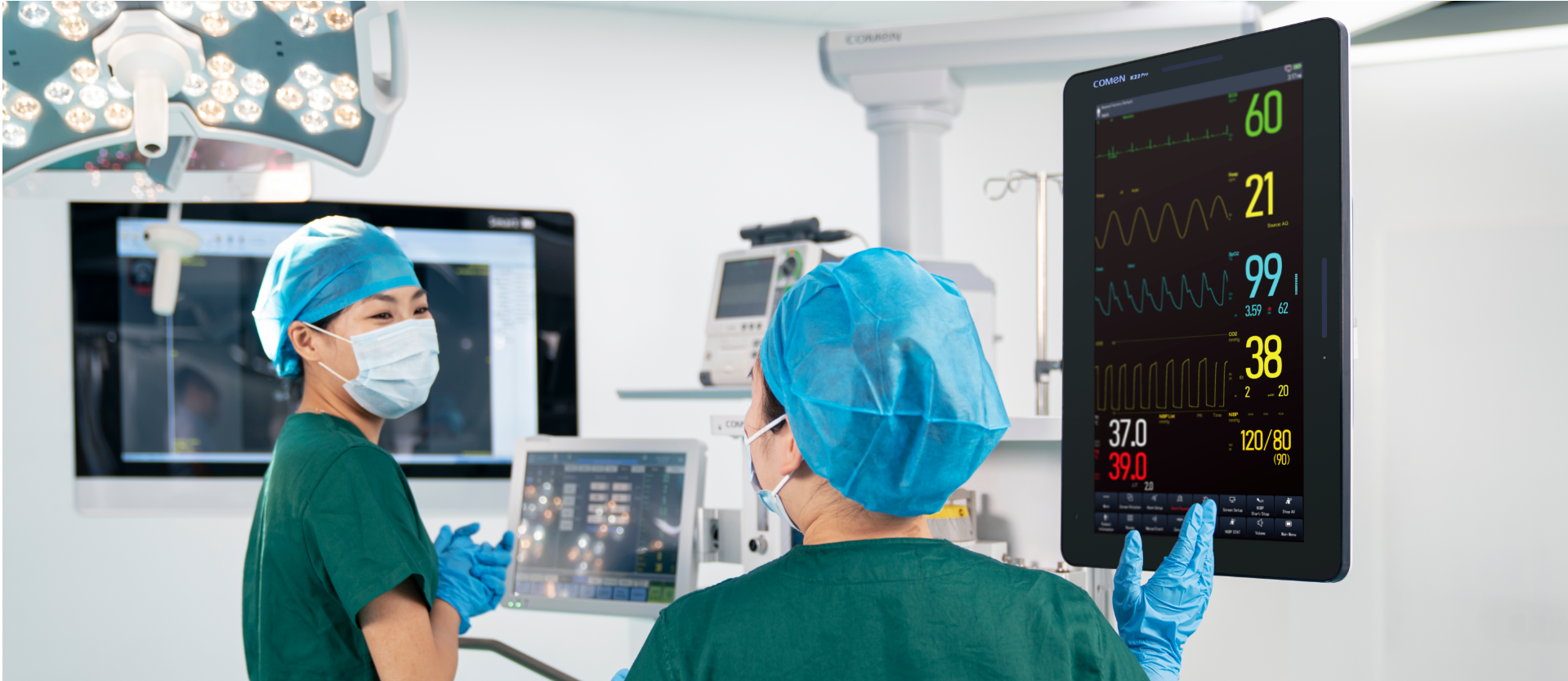
Why the hospital floor still loses time to monitors
I once watched a nurse at St Vincent’s Hospital in Sydney spend 20 minutes reconciling a bedside multi-parameter monitor with notes — that stuck with me. Early on I learned that a lot of the pain around a hospital vital monitor isn’t the hardware; it’s the workflow and expectations. The patient monitor would show an ECG lead-off, SpO2 drop, then NIBP cuff error in quick succession — chaos. Scenario: a busy ward, data: 12 alarm events per patient-hour, question: how do we cut that down without risking care? (No jargon fluff — just the facts.)
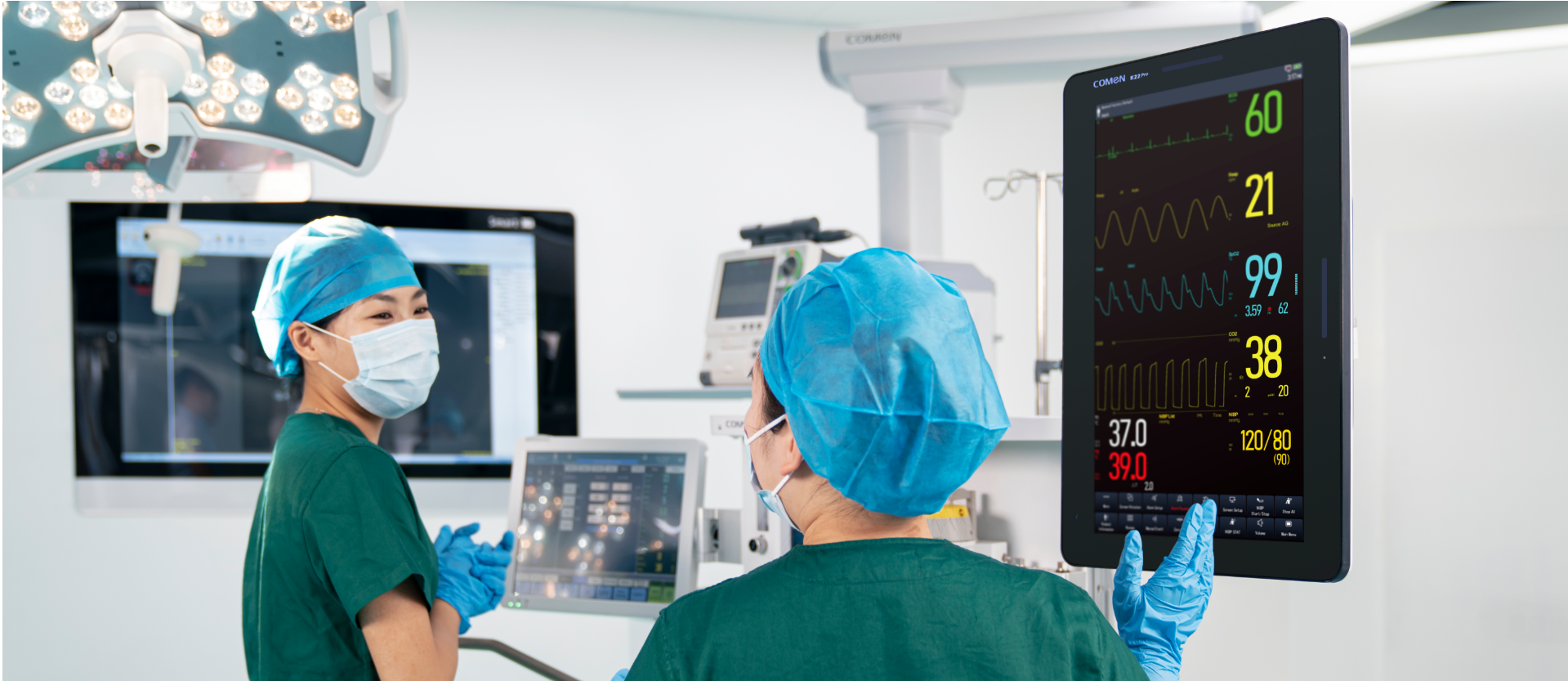
I’ve been buying, testing and troubleshooting monitors for over 15 years and I still wince at designs that make nurses toggle through five menus to silence an alarm. I remember in March 2023 a procurement trial where a small UI tweak reduced alarm acknowledgement time by 28% on a demo bay — real numbers, real shift change impact. The traditional fixes—bigger screens, louder beeps—miss deeper flaws: poor telemetry integration, inconsistent waveform displays, and mismatched default alarm thresholds. I’m blunt about this because we wasted budgets on “upgrades” that didn’t address those core problems. And yes, it frustrated clinicians — no worries, mate — but it taught me where to push for change. This leads straight into practical next steps.
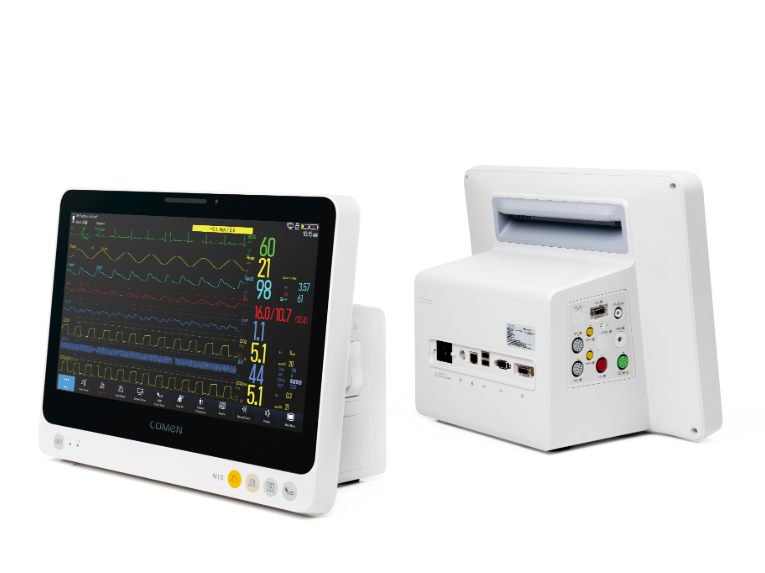
Fixes that actually change outcomes — and how to measure them
What’s Next?
Investing in better monitors is not a magic bullet; it’s a targeted effort (and it pays off). I’m confident that the right choices—better telemetry compatibility, configurable alarm tiers, clearer ECG and SpO2 waveforms—reduce nurse cognitive load and cut false alarms. Start by insisting on interoperability: I made that non-negotiable after a three-week rollout in a Sydney ward where systems failed to share NIBP trends — costly and avoidable. Next, insist on role-based default settings that match your unit (ICU vs general ward) so clinicians don’t fight the device during a crisis. Finally, demand data export and analytics; if you can’t pull alarm frequency and response times from the device, you can’t measure improvement — simple as that. In procurement discussions we pressed vendors for firmware logs and got them — which revealed a firmware bug that caused heartbeat duplication — fixed it, and reduced alarm noise. These are concrete wins; you can replicate them.
Three metrics to choose the right solution
I’ll leave you with three practical metrics I use when evaluating monitors: 1) Alarm fidelity — percentage of clinically relevant alarms versus false positives (aim for >70% relevance), 2) Integration latency — how quickly waveform and NIBP data appear in your EMR/telemetry stream (under 2 seconds ideal), and 3) Usability score from on-floor clinicians — a short 5-item survey after a 48-hour trial. I trust these numbers because I’ve used them in tenders and they separated good from useless. If you want a vendor that understands the reality of wards and the tech — check device fit, test in-situ, insist on training and ongoing support. I’ve done the hard yards, negotiated contracts, sat through firmware calls — and I still back those three checks. For practical supplies and reliable units, see COMEN — they know the ropes and will talk real specs, not sales blurbs.