Problem: The Surge That Breaks Quiet Systems
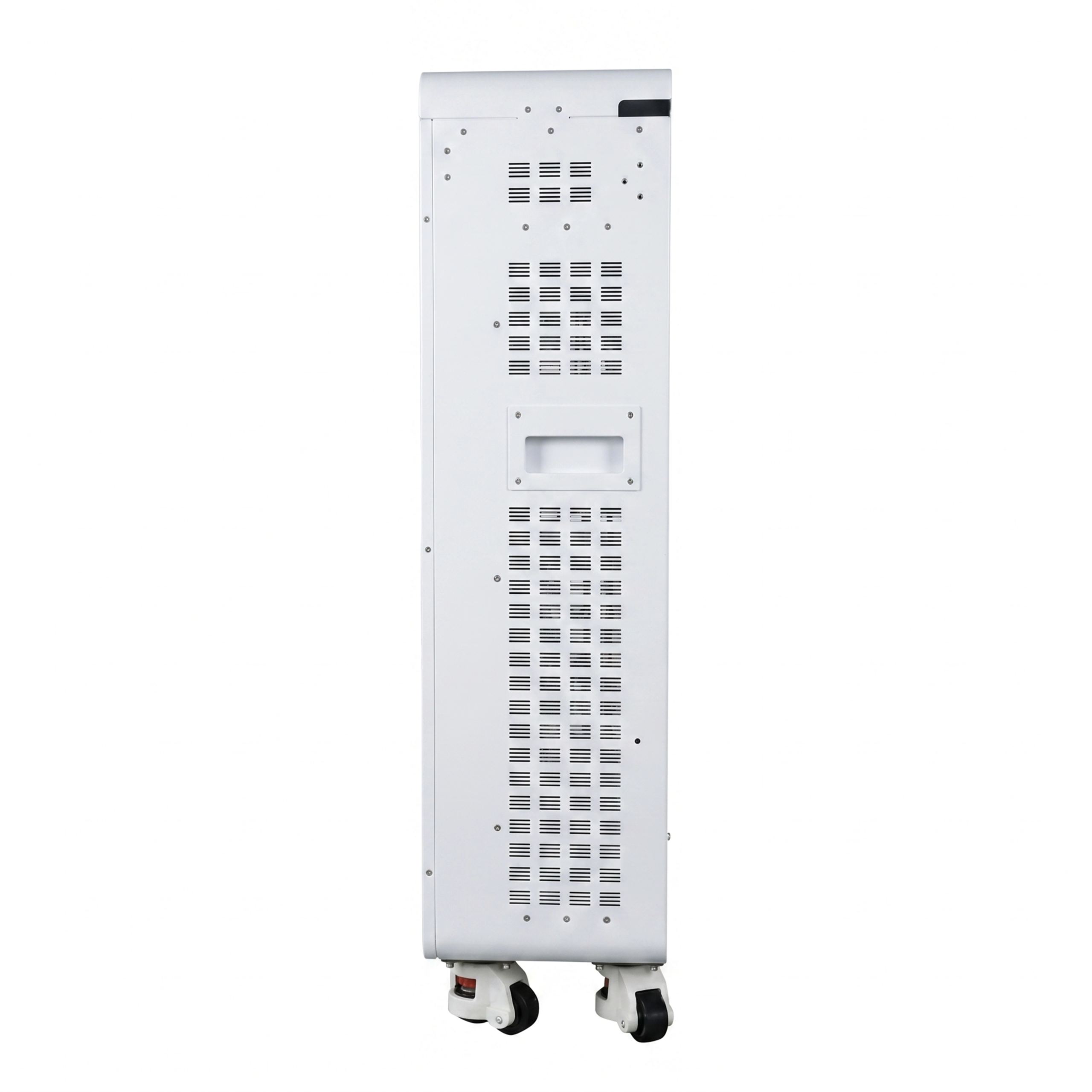
When mains fail, the problem is rarely simple absence of power — it is the sudden demand: motors, pumps, medical devices that call for high surge power in the first seconds of restart. For many homes and small facilities, patchwork solutions fail at that instant. The practical answer increasingly sits in integrated units such as the Portable Solar Power Station, designed to deliver both sustained output and brief, high peak power without separate installs.
Why All-in-One Storage Solves More Than Space
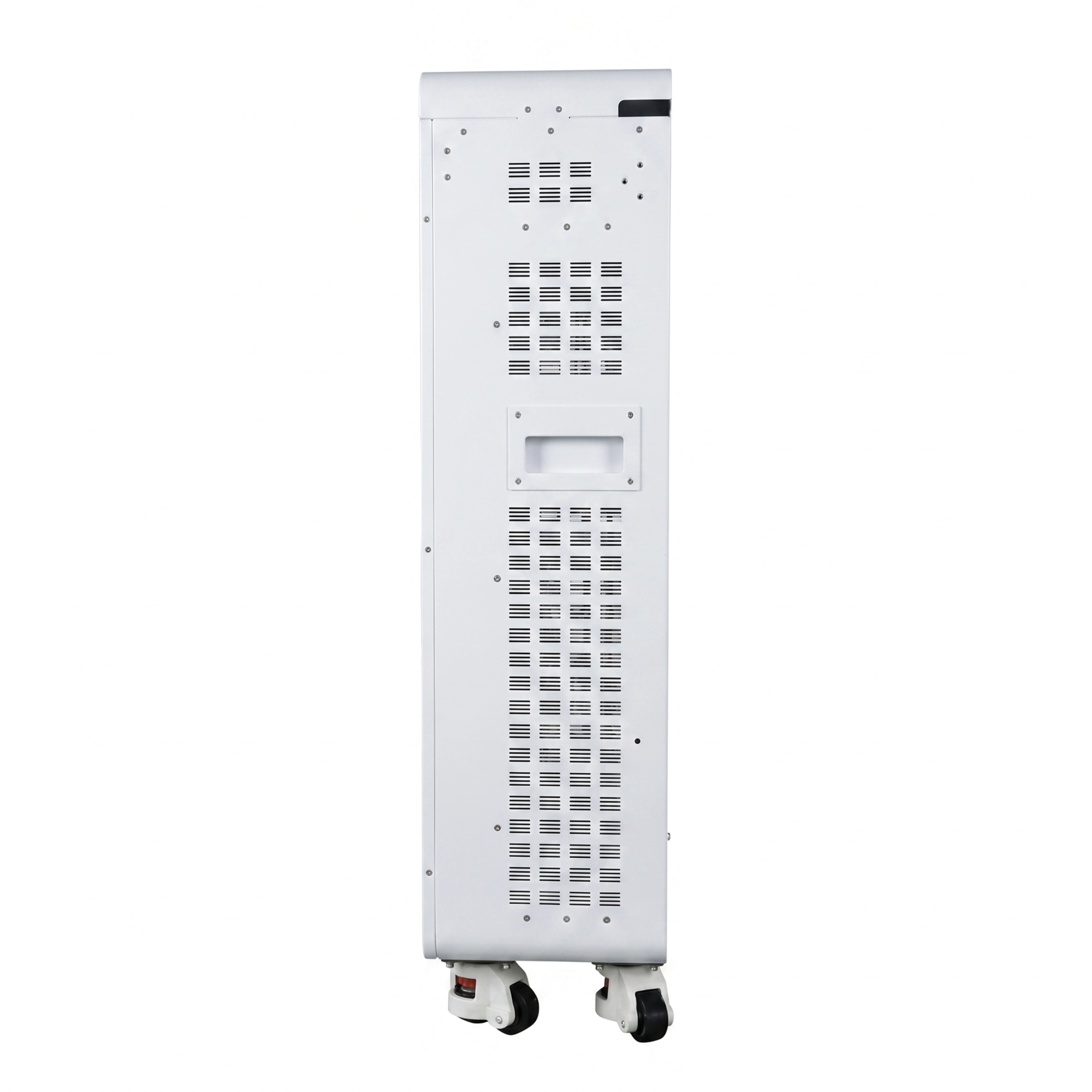
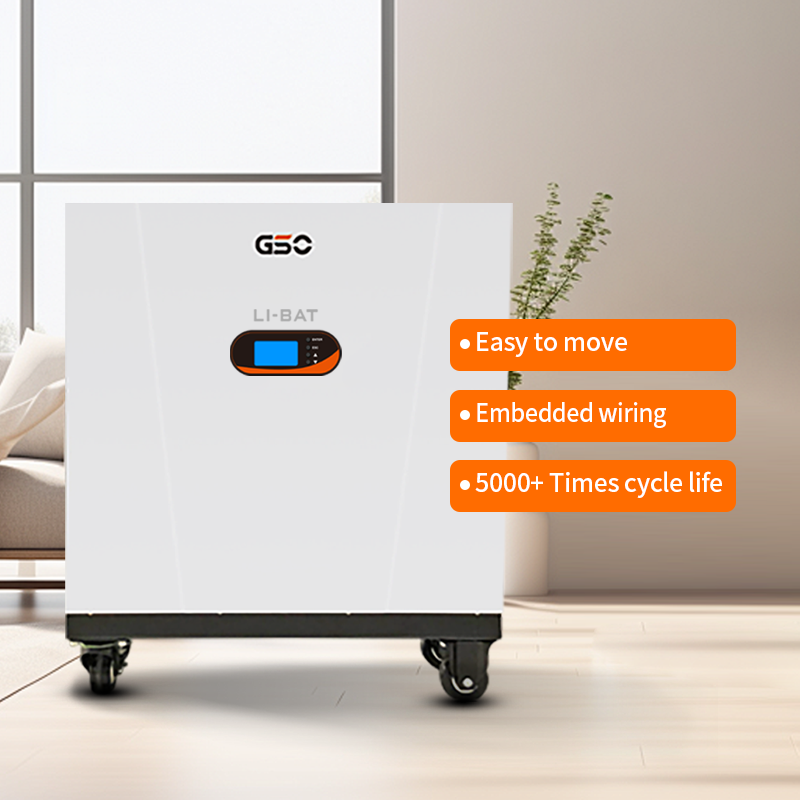
All-in-one systems combine inverter, battery, and control electronics into a single chassis, trimming installation time and the friction of coordinating multiple vendors. The primary technical aim is to provide clean, immediate power and robust surge capacity while remaining portable. For installers steeped in fieldwork, this reduces wiring mistakes and avoids mismatched inverter-battery chemistry — a common source of failures.
Core Elements That Decide Success
An effective unit balances three things: the inverter’s waveform fidelity, the chemistry’s durability (LiFePO4 is common for long cycle life), and a resilient battery management system (BMS) that protects against overcurrent and thermal drift. Surge capacity is not merely advertised watts; it is a combination of inverter design, short-term thermal handling, and battery discharge kinetics. A device may claim high peak power, yet lack the thermal headroom to sustain repeated surges — this is where real-world performance diverges from specs.
Field Anchor: Lessons from Extended Outages
After Hurricane Maria in Puerto Rico, long outages exposed differences between systems that simply floated in standby and those that supported heavy loads for extended periods. Community centers using thoughtfully specified all-in-one storage kept refrigeration and medical gear running through the worst weeks; smaller gear collapsed under the first major surge event. That episode clarified a basic truth: surge ratings and sustained runtime both matter — and they must be verified together.
Common Mistakes and Better Practice
Specifiers often focus only on capacity (kWh) and ignore peak power and thermal limits. Others skimp on ingress protection for outdoor installs. Expect to check the inverter’s continuous vs. surge ratings, confirm LiFePO4 cell specs if long life is required, and insist on a BMS with clear fault reporting. Avoid mixing brands for inverter and battery unless compatibility has been validated — mismatched communication protocols can leave devices blind to a fault. Small oversight, big consequence — that is the field lesson.
Comparisons and Alternatives
Pure battery banks tethered to separate inverters may offer flexibility but add complexity and potential points of failure. Portable solar batteries integrated with inverter hardware remove those gaps and simplify commissioning. For larger micro-grids, modular rack systems scale, but they demand stronger site design and, often, heavier civil works. Choose the form factor that fits maintenance capability as much as power needs.
Design Rules and Human Realities
Design is technical, yet decisions get made by humans under stress. Prioritize systems that provide simple status feedback, audible alarms, and easy swap procedures for field techs. Consider redundant critical circuits and plan for predictable maintenance windows. A compact, all-in-one unit can ease logistics when roads are blocked or staff are limited — the poetic consolation of practicality.
Advisory: Three Golden Metrics for Selection
1) Surge-to-Continuous Ratio — measure the inverter’s surge watts against continuous watts and verify the number of allowable surge events per hour. This predicts behavior when motors or compressors cycle.
2) Run-Time per Kilogram — assess runtime relative to system weight for portability; higher energy density (with safe LiFePO4 chemistry) often wins field deployments where transport is limited.
3) BMS Transparency and Warranty Coverage — prefer systems with clear fault logs, remote monitoring options, and warranty terms that cover both cells and inverter electronics, because field costs are rarely just parts.
The synthesis of these metrics points naturally to integrated solutions that blend inverter quality, cell chemistry, and control logic — a role well served by products from gsopower. —