
Introduction
I remember a rainy Thursday in 2012 when a shipment of polymeric hip liners arrived at the lab and everyone paused — there was a smell of solvent, and a slow, sinking worry. Biological evaluation felt, to me, like the hinge that either opens a product to market or closes the door for months. In this field, biological evaluation is not a checkbox; it is the lived reality that shapes clinical outcomes and recall risk (I still think about that smell). Data matter: in one program I led in Boston in March 2019, an unexpected cytotoxicity signal on a silicone catheter caused a two-month delay and an extra $120,000 in analytical work. What steps should you take early to avoid that kind of hit? — I’ll walk through practical, field-tested strategies informed by over 18 years working with medical devices, ISO 10993 tests, and hands-on lab teams.
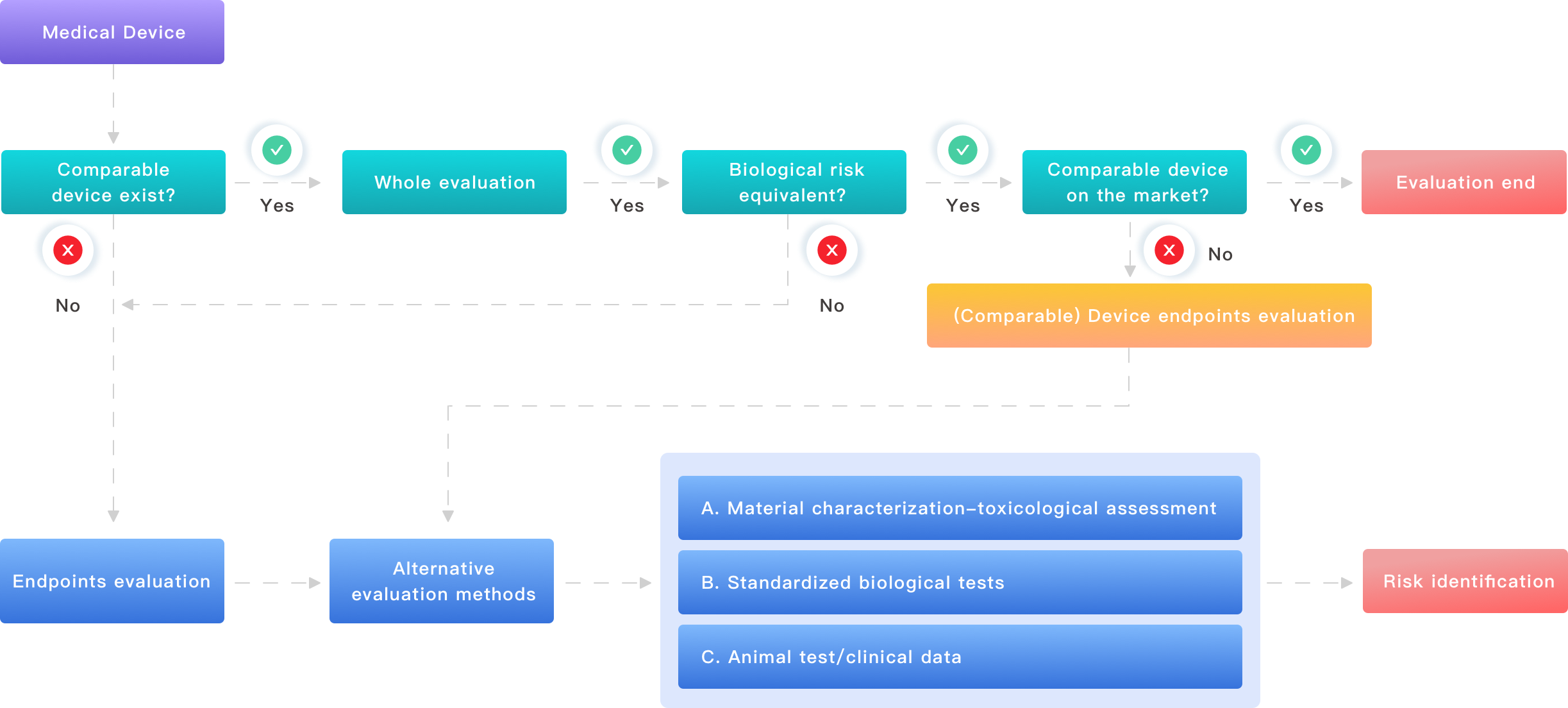
Where the Old Fixes Fail: A Technical Look at Toxicological Assessments
toxicological risk assessment of medical devices is what regulators expect, but the way teams often run it leaves gaps. Too many groups treat it as a final-stage formality rather than an iterative design tool. I see the same pattern: a quick cytotoxicity screen, a passing hemocompatibility note, and then a green light — until a batch of polymeric components leaches unexpected additives. Tests like ISO 10993-5 for cytotoxicity and analytical chemistry screens are useful; yet relying on them alone misses complex interactions among polymers, sterilants, and patient fluids. In one project (November 2020, Shenzhen partner lab), we found that a gamma sterilization product on a catheter hub created oxidized fragments. The result: a downstream inflammatory response in bench models and a required design change. That cost time and trust.
Traditional approaches also underplay device lifecycle. Manufacturers often test final parts only. I prefer staged assessment: raw resin, molded part, sterilized device. This catches extractables early. From my notes: failing to profile extractables before design freeze can add 6–8 weeks when you have to rerun prototype lots. What’s worse — teams may chase a single assay result while missing the bigger toxicology context. So, stop thinking of toxicological risk assessment as a gate; treat it as a map you consult at each decision point. That shift reduces surprises, and yes, saves months in development.
Why do conventional tests miss the point?
Because they are often disconnected from material history, sterilization route, and real-use conditions. Short assays tell you something; combined, staged data tell you enough to act.

Case Example and Future Outlook: Extractables, Leachables, and Practical Steps
I’ll give you a concrete case. In August 2021 I worked with a mid-size firm making implantable infusion ports. We ran targeted extractables profiling and then simulated use over 30 days in saline at 37°C. The extractables profile flagged a plasticizer that rose with time. When we ran extractables and leachables testing the next month, analytical chemistry confirmed a leachable peak at pharmacologically relevant levels. That finding led to swapping a supplier grade of elastomer and updating the sterilization cycle. The change reduced predicted patient exposure by roughly 40% based on our PK model. Real numbers. I remember sitting with the design lead and saying plainly: “This will save you a clinical hold.”
Looking ahead, I expect two shifts to matter: better coupling of in-silico exposure models with lab data; and more refined analytics that profile non-volatile fragments from polymer degradation. New mass-spec workflows and accelerated aging protocols help. Also, cross-functional reviews — clinicians, material scientists, and analytical chemists in the same room — speed decision making. Short interruption: I still jot notes on sticky pads during those reviews — odd habit, but it works. If you are planning a line extension for a polymeric catheter, run early extractables studies on the exact formulation and sterilization you will use. That small up-front spend often avoids large downstream changes.
What’s Next: Practical Metrics to Choose a Path
When you evaluate vendors, labs, or internal plans, use three concrete metrics: 1) Depth of chemical characterization (do they run non-targeted high-resolution MS plus targeted assays?), 2) Lifecycle alignment (do they test pre- and post-sterilization and after simulated aging?), and 3) Traceable decision rules (do they map chemical findings to toxicological thresholds and exposure models?). I recommend scoring providers on these metrics, with documented thresholds for action. That approach lets you compare options on facts, not promises.
To close, I offer a short, candid takeaway from my years in the trenches: prioritize staged testing, expect materials to surprise you, and build simple exposure models early. Those moves reduce technical debt and sleepless nights. For anyone needing hands-on support with extractables and leachables testing or broader toxicological evaluation, consider engaging experienced labs that tie chemistry to toxicology and regulatory context — that’s where real progress happens. For an established partner in medical device testing, see Wuxi AppTec Medical device testing






