Introduction: A Clearer Path to Sparkle
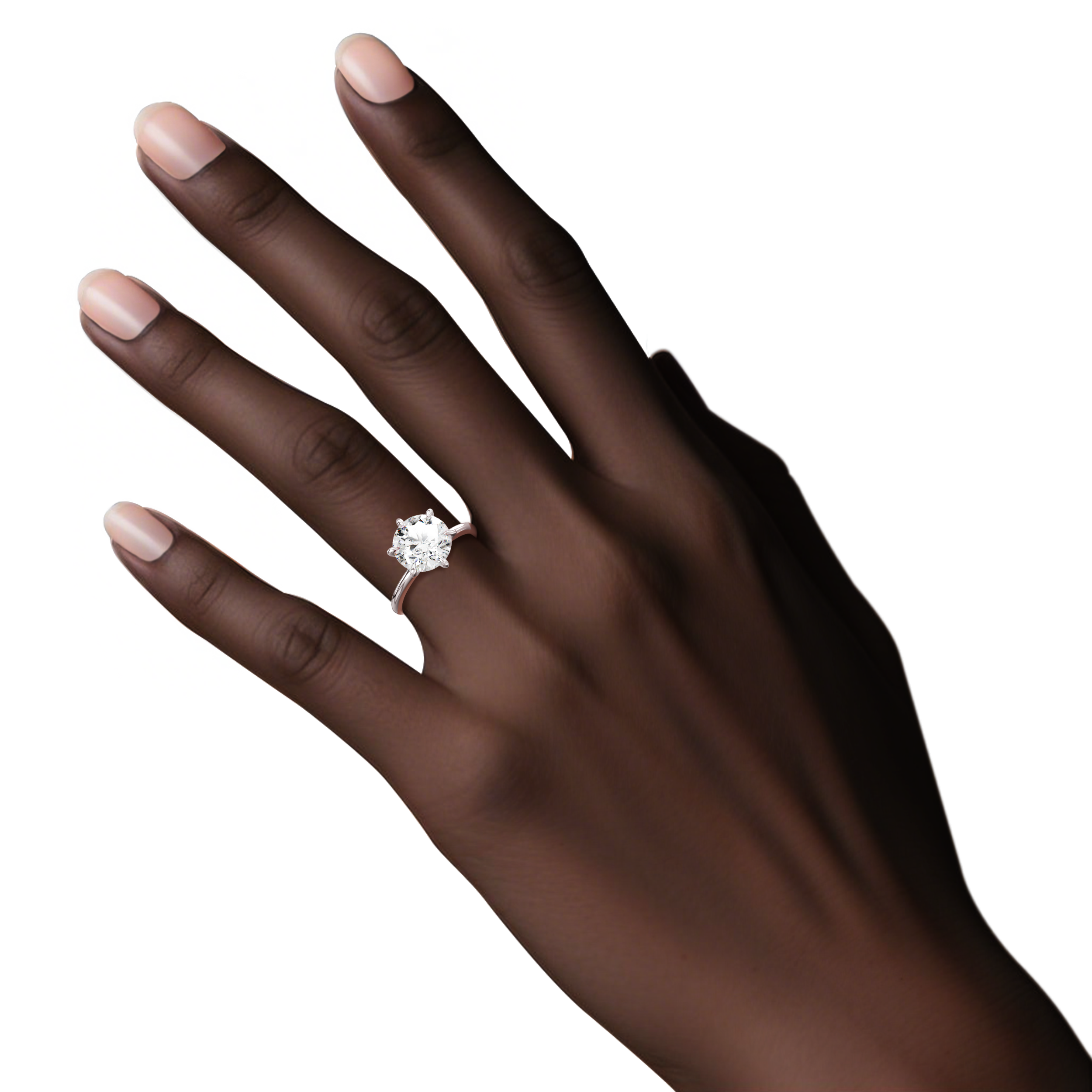
The ring playbook just changed. Today, lab grown diamond engagement rings give you more size and design freedom for the same budget—without the guesswork (or the guilt). Picture this: you’re scrolling after dinner, your partner sends a mood board, and every style looks gorgeous on-screen. Yet in-store, many buyers stall; nearly half of engagement shoppers now ask to see lab-grown options, but still worry about how a ring performs day to day. So how do you pick a halo that stays bright in real life, not just in photos? Look, it’s simpler than you think. The trick is knowing where halos can let you down and how new tech fixes that. We’ll compare what’s changing, why the cut and setting matter more than you think, and how to read the fine print without getting lost in jargon—funny how that works, right?

Let’s unpack what’s shifting, then zero in on the quiet trade-offs that make all the difference.
Halo Engagement Rings: The Hidden Friction You Can Actually Avoid
If you love the look of halo engagement rings, you’re not alone. But the “bigger sparkle for less” promise hides a few pain points. First, proportion. A halo can mute the center if the pavilion angle and girdle thickness are off, because light leaks before it reaches the micro‑pavé. Second, mismatch. Lab‑grown melee that surrounds the center needs to match color and fluorescence; a medium-blue halo around a near-colorless center can shift the face-up tint under daylight. Third, fragility. Ultra‑thin micro‑pavé looks sleek but can snag; prongs that are too fine compromise durability over time. Finally, grading gaps. You might choose a VVS clarity center with IGI grading, but the halo stones often lack documented specs—what you don’t see can change the whole look. These aren’t deal breakers. They’re reminders to align optics, engineering, and everyday wear.
Why do some halos look flat?
Flat halos usually come from three things working together: a shallow center cut, low-profile seat, and light-absorbing metal around the halo. Raise the seat slightly so the halo clears the finger, and you boost dispersion. Keep the halo at a tight but not crowding distance from the center—too close blends facets; too far breaks the light field. Ask for matched melee by color and fluorescence, not just “near-colorless” marketing lines. And make sure the micro‑pavé is bead-set with balanced prong height; even tiny beads change how light enters the crown. Direct fixes, big payoff—and that’s okay.
Forward Look: Tech-Driven Halos vs. Classics
What’s Next
Here’s the shift. New CVD growth and tuned HPHT post-treatment produce center stones with tighter color ranges, so matching halo melee gets easier. Vendors now sort small stones with spectroscopy to align fluorescence and nitrogen content—less surprise under sunlight. CAD workflows simulate ASET and Hearts & Arrows symmetry before casting, helping jewelers choose a seat height and facet geometry that keep the halo “alive” when your hand moves. In short, we’re moving from “make it pretty” to “engineer the light path.” Compare that with a classic three stone engagement ring: it spreads brilliance with side stones and fewer tiny prongs to snag, but it can’t amplify the center outline the way a precise halo can. Different tools, different trade-offs.

So, what should you measure? Think in threes. (1) Light performance: request images or data—ASET or at least hearts-and-arrows photos—for the center, plus confirmation that melee color and fluorescence are matched. (2) Setting integrity: micro‑pavé bead size, prong thickness, and seat height should balance sparkle with strength; ask about maintenance intervals. (3) Consistency: verify IGI or GIA grading on the center and documented specs for halo melee, even if it’s a range. The lesson is simple: when optics, materials, and build quality align, a lab‑grown halo stays bright, resists dull spots, and wears comfortably. Comparative insight matters because it turns style into performance you can feel, day after day. If you want a neutral starting point for evaluating designs and specs, you can always cross-check with a trusted source like Vivre Brilliance.