bestweb345
  • Home
  • Decorate
  • Gardening
  • House Tours
  • DIY Projects
  • Expert Advice
  • More
bestweb345
  • Home
  • Decorate
  • Gardening
  • House Tours
  • DIY Projects
  • Expert Advice
  • More
bestweb345
bestweb345
  • Home
  • Decorate
  • Gardening
  • House Tours
  • DIY Projects
  • Expert Advice
  • More

@2022 - All Right Reserved. Designed and Developed by PenciDesign

Tech

Эргономика рабочего места: как моноблок Intel повышает комфорт зрения и результативность команды

by Mary March 13, 2026
written by Mary

Пользовательский подход к устройству рабочего места

В центре решения — сотрудник: его зрение, поза, рабочие задачи и ритм. Когда компания выбирает моноблок с продуманным экраном, это не просто оборудование — это инвестиция в снижение утомляемости и время концентрации. Практический выбор часто сводится к тому, какой монитор для работы обеспечивает нужную яркость, разрешение и минимальные отражения при длительных сессиях.

Ключевые эргономические характеристики моноблоков Intel

Моноблоки Intel предлагают ряд параметров, которые реально влияют на комфорт: IPS-матрица для стабильной цветопередачи, антибликовое покрытие, режим снижения синего света и технология Flicker-free. Эти термины — не маркетинг: частота обновления и корректная яркость уменьшают напряжение глаз и помогают поддерживать стабильную скорость работы при сложных интерфейсах и табличных задачах.

Влияние на эффективность и здоровье персонала

Практика показывает, что удобный экран сокращает число коротких перерывов на отдых глаз и снижает ошибки при вводе данных. По оценкам исследований, до 70% офисных сотрудников отмечают симптомы цифрового утомления зрения при длительной работе перед экраном — это прямой удар по продуктивности и вниманию. Использование моноблока с подходящим разрешением и настройкой яркости уменьшает такие симптомы и поддерживает ровный рабочий темп.

Реальная настройка рабочего места: что сделать сразу

Настройте монитор по простым правилам: уровень экрана на линии взгляда, яркость в соответствии с окружением, контраст для четкости текста, включите режим уменьшения синего света для вечерних смен. Если вы работаете с таблицами — увеличьте разрешение или масштаб, чтобы снизить напряжение. Не забывайте про периферию: удобная клавиатура и мышь решают часть проблем с позой.

Типичные ошибки при покупке и эксплуатации

Частые промахи: выбор слишком яркого или низко контрастного дисплея, игнорирование возможности регулировки по высоте и наклону, пренебрежение антибликовым покрытием. Много компаний покупают «дешёвый большой экран» и жалуются на утомляемость — но дело в отсутствии настройки и в неверном соотношении сторон. Решение простое: тестируйте образцы в условиях офиса перед масштабной закупкой.

Альтернативы и с чем сравнивать моноблоки

Если требуется мобильность — ноутбук с док-станцией и отдельным монитором остаётся рабочим вариантом. Для задач с большим количеством одновременных окон выгоднее ультраширокие панели. Сравнивая, учитывайте: разрешение, частоту обновления, наличие регулировок по высоте и встроенные режимы снижения синего света. Для длительной работы имеет смысл выбирать модели, специально маркированные как монитор для длительной работы, — они обычно оптимизированы по яркости и Flicker-free.

Практические советы для IT-руководителя

Закупая моноблоки, фиксируйте требования по эргономике в ТЗ, проводите пилотные тестирования в одной команде и собирайте качественную обратную связь. Системный подход сокращает возвраты и повышает уровень удовлетворённости персонала. Делайте замеры освещённости в рабочих зонах и настройку цветовой температуры — это простые шаги с большим эффектом.

Золотые правила выбора — три критерия

1) Комфорт зрения: наличие антибликового покрытия, режим уменьшения синего света и Flicker-free. 2) Физическая адаптация: регулировка высоты и наклона экрана, подходящее соотношение сторон для задач. 3) Техническая совместимость: разрешение, частота обновления и порты для док-станций.

Эти три метрики помогут отобрать решение, которое действительно снизит утомляемость и повысит стабильность результата. Заключение простое: инвестиция в правильный экран окупается через меньшее количество ошибок и лучший фокус команды. NPC


March 13, 2026 0 comments
0 FacebookTwitterPinterestEmail
Industry

The Energy Metrology Compass: A Data-Driven Guide to Measuring Round‑Trip Losses and Auxiliary Draws in Three‑Phase Hybrid Inverter R&D

by Linda March 13, 2026
written by Linda

Opening: why data must lead the experiment

In labs where hum and light keep late hours, numbers are the kindly shepherds that guide design choices; a crisp, repeatable dataset is worth a forest of intuition. A data-driven approach to metrology — focused on round‑trip efficiency and the often-overlooked auxiliary load — turns black‑box curiosity into engineering certainty. If you’re validating a prototype or benchmarking an integrated platform, it helps to anchor tests against a deployed reference such as an all in one energy storage system, so measurements reflect real operational envelopes rather than tabletop fantasies.

all in one energy storage system

Why precise metrology matters — a real‑world anchor

Grid operators and developers learned the value of clear metrics through the California duck curve and the accelerating deployment of battery storage noted by the International Energy Agency — lessons writ large: unattended assumptions cost kilowatt‑hours and credibility. In R&D for three‑phase hybrid inverters, small inefficiencies scale. Round‑trip inefficiency isn’t just a number on a datasheet; it alters lifetime energy yield, affects state of charge (SoC) strategy, and reshapes thermal budgets.

Core metrics and instrumentation for a data-driven test plan

Define first what you’ll measure: round‑trip efficiency across charge/discharge cycles, idle and dynamic auxiliary load draws, harmonic content, and temperature‑dependent behavior. Instrumentation should include a precision power analyzer for AC and DC paths, bi-directional DC energy meters, and synchronized data logging at both sub‑second and hourly averages. Use C‑rate specific cycles to reflect intended use — a grid‑support duty does different work from an ESS sized for peak shaving — and always record ambient conditions alongside power traces.

Where losses live — and how the data reveals them

Losses are rarely mystical. They live in switching transitions in power electronics, in passive components and magnetics, and in the small but persistent draw of control boards, fans, and contactor heaters. Auxiliary load can be stealthy: a modem and metering electronics running 24/7 may nibble at capacity in the background. Measure both pathway losses (AC/DC conversion inefficiency) and parasitic drains. When you plot energy in vs energy out over many cycles, the curve tells you whether losses are steady, SoC‑dependent, or drift with temperature — the shape matters as much as the number.

Protocol pitfalls and practical fixes

Teams commonly stumble by mixing SoC baselines, neglecting pre‑conditioning, or using single‑rate tests that mask duty‑cycle effects. Don’t conflate coulombic count with energy flows — voltage profiles mean energy is not linear with ampere‑hours. Also, watch harmonics and transient events; they can mislead simple meters. A practical fix: run a suite of tests — low, medium and high C‑rates; idle soak; and power‑cycling with real control firmware — and pair those with spectral analysis to expose switching losses or EMI‑related inefficiency. —

all in one energy storage system

Integrating component and system‑level measurements

Isolate the inverter on its test bench, then re‑test within a complete stack. Component data are necessary but not sufficient; interactions with battery management, isolation transformers, and balance‑of‑system controls change auxiliary draw profiles. That’s why validating against an operational platform — for example, comparing bench results to an all in one energy storage integration — helps reconcile lab accuracy with field reality. Calibration rings true when lab and system figures sing the same tune.

From data to decision: analysis techniques that reduce noise

Use ensemble averaging for steady‑state metrics, but preserve raw traces to study transients. Compute cumulative energy over long windows to quantify drift, and apply moving‑window efficiency calculations to capture SoC dependence. Visualise residuals — the tiny differences between model and measurement — to spot systematic bias. These are not exotic tricks: they’re the measured breaths that let you whisper to a design and have it reply with confidence.

Three golden rules for evaluation — actionable metrics for R&D

1) Measure repeatability and variance, not just a single best‑case efficiency. A median round‑trip efficiency with confidence bounds tells you what to expect in deployment. 2) Capture auxiliary load across duty cycles — report both steady idle watts and peak event draws so lifetime energy loss and relay sizing are accurate. 3) Test across temperature and SoC slices: thermal dependence and SoC hysteresis often dominate long‑term yield.

Done properly, the metrology stack turns guesswork into governance. For teams seeking to close the loop between lab rigour and field performance, the practical value of that work often points back to integrated solutions that make system validation straightforward — and that’s precisely where WHES becomes a useful, everyday reference. —

March 13, 2026 0 comments
0 FacebookTwitterPinterestEmail
Market

Future-Proofing Prototype Automotive Services for a Sustainable Tomorrow

by Emily March 13, 2026
written by Emily

Facing the Complexity of Design

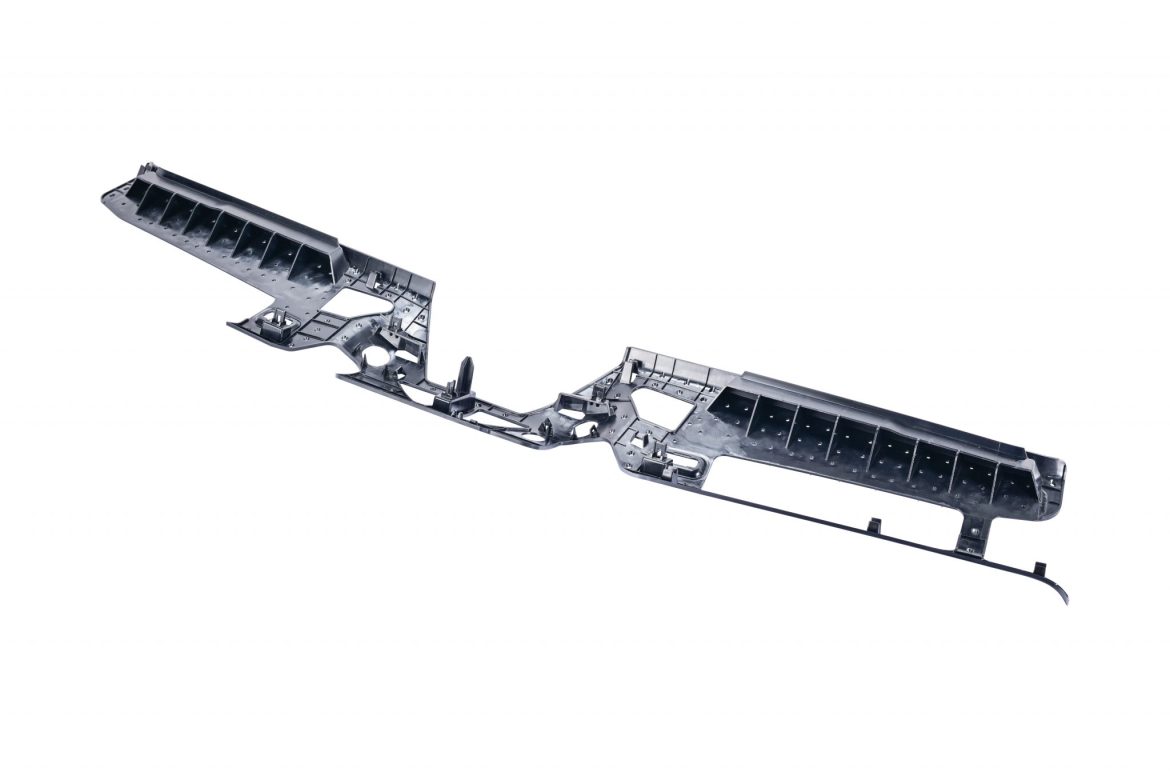
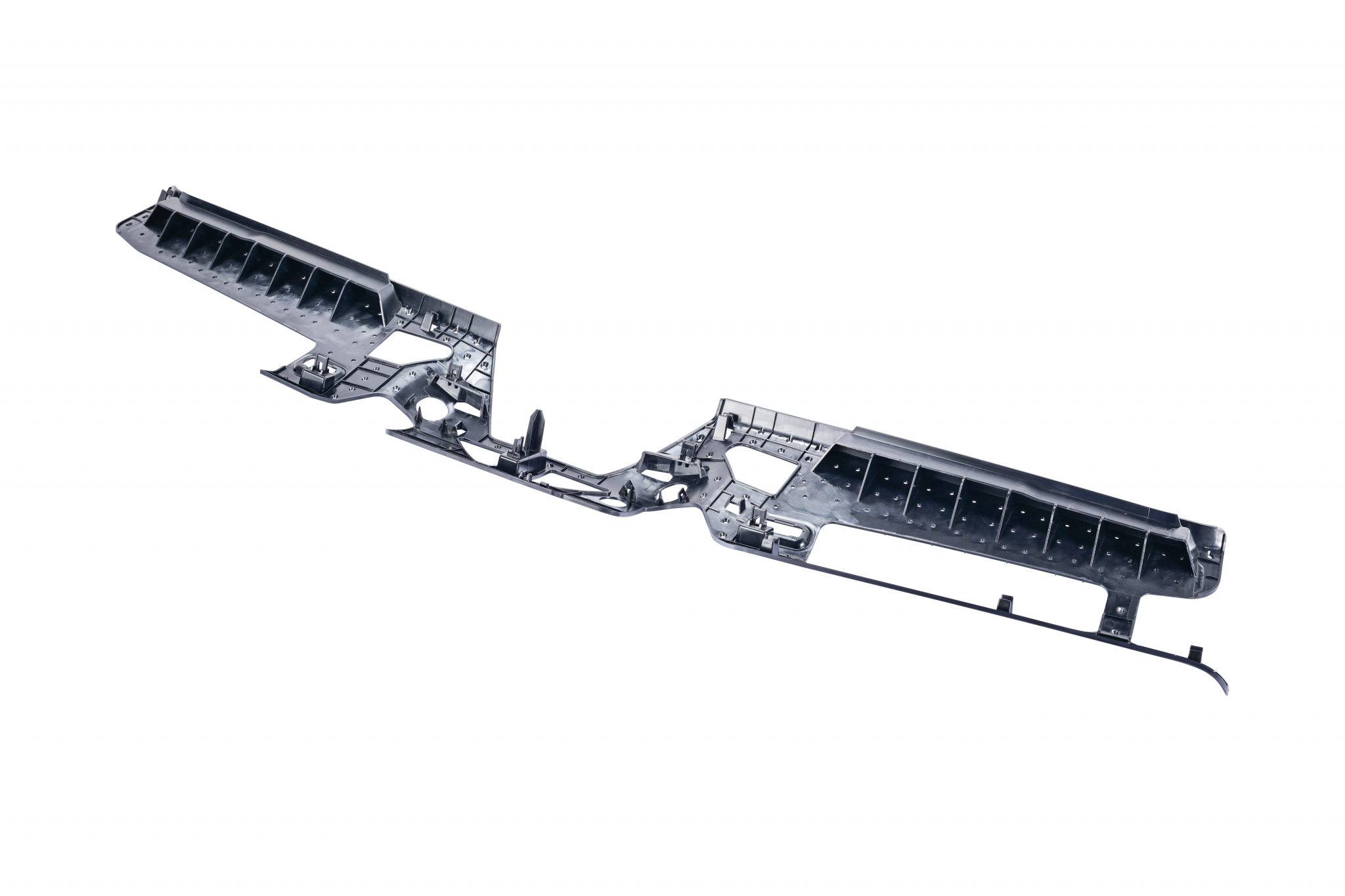
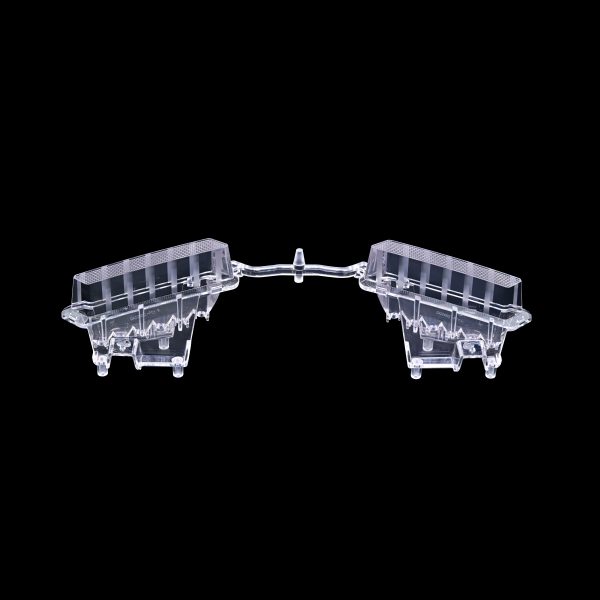
Imagine you’re standing in a bustling automotive workshop, surrounded by the hum of machinery and the vibrant chatter of designers brainstorming their next big leap. Given that the global automotive market is projected to reach over $3 trillion by 2030, one has to ask: how does automotive prototyping fit seamlessly into this ambitious landscape? The challenges are abundant, not least in perfecting a user-friendly interface or manufacturing process that aligns with complex automotive standards. That’s where prototype automotive services come into play, transforming visions into tangible design realities.

automotive prototyping

Decoding the Pain Points

Traditional automotive design often stumbles under the weight of its own complexity. In my years working alongside engineers, I’ve seen firsthand how a lack of early prototyping can lead to delays—clouding timelines and budgets. Once, I recall a client who lamented over a project that went over budget by 20% simply because interface testing occurred too late in the design process. This experience drives home a pivotal truth: investing in prototyping from the onset prevents hidden pitfalls from multiplying. With prototype automotive services, we can swiftly identify flaws early on and ensure smoother sailing through the testing phases.

Are Current Solutions Enough?

As we peer into the horizon, the question remains—are the existing methods of prototyping equipped to handle the evolving demands of the industry? With autonomous vehicles and smart technology on the rise, it’s clear we need to adapt our approach. The rich tapestry of collaboration and innovation found in prototype services provides the agility required to tackle next-gen automotive design challenges. I firmly believe that the flexibility gained here not only saves time but also produces designs that feel genuinely user-centric, which is crucial.

Looking Ahead: The Future of Prototyping

As we step boldly into the future of automotive prototyping, the potential transformations are nothing less than exhilarating. The integration of AI in design processes, coupled with rapid prototyping techniques, paves the way for tailored automotive solutions that resonate with consumer demands. I’ve witnessed a shift towards using digital twins—virtual models of physical assets—that allow for real-time adjustments in prototypes. Companies leveraging prototype automotive services can not only anticipate market shifts but can also react with remarkable speed, which is precisely what modern consumers expect.

automotive prototyping

The Impact That Awaits

Reflecting on the previous sections, it’s evident that the narrative of automotive prototyping is evolving. Today’s solutions must embrace innovation while addressing the traditional flaws that cause friction. The key is immersive prototyping that aligns product features with user expectations, ensuring that we’re not just designing for today but building for tomorrow. As we forge ahead, remember that meaningful collaboration with services like APT-Mold leads to results that can redefine industry standards.

Concluding Thoughts

As I wrap up these reflections, it becomes clear: the future of automotive prototyping isn’t just about the machines or the technology—it’s fundamentally about people. We must focus on user experiences and the societal impacts our designs can yield. In my extensive experience, I’ve learnt that success hinges on continuous iteration and genuine engagement. So let’s keep our focus sharp, our minds open, and let innovation lead the way. Because in this journey, it’s the partnerships—like those with APT-Mold—that can truly propel us to new heights.

March 13, 2026 0 comments
0 FacebookTwitterPinterestEmail
Tech

What Nobody Tells You About Outdoor Robot Cleaners

by Mark March 13, 2026
written by Mark

A Surprising Clean-Up Crew in Your Backyard

Imagine hosting a lovely outdoor gathering, surrounded by friends and laughter. Then, you notice the accumulated leaves and dirt scattered across your patio. According to recent surveys, over 70% of homeowners consider outdoor cleaning a hefty chore, especially when the weather is fine and you’re itching to enjoy the outdoors. Enter the outdoor robotic vacuum cleaner, a modern marvel that promises to take care of this tedious task while you relax. But what are the real stories behind these gadgets?

outdoor robot cleaner

The Shortcomings of Traditional Cleaning

When I think back to when I cleaned my patio manually, it was always a hassle. I vividly recall spending countless weekends sweeping and blowing dirt and debris. While many still rely on traditional methods, they often miss the core benefit of an outdoor robotic vacuum cleaner—efficiency. Sure, there’s something satisfying about the manual labor, but the constant battle against dirt can be frustrating.

What Are the Hidden Costs?

Unsurprisingly, there are hidden costs associated with traditional cleaning methods. Time is one; how much of it have you spent just trying to keep spaces tidy? Plus, there’s wear and tear on your outdoor furniture. With the robotic option, you can reclaim your weekends. A friend of mine told me how their robotic vacuum works independently; it’s a game-changer. Imagine that time and energy saved for barbecue rhythms instead of sweeping sounds—you’d enjoy your yard guilt-free.

Looking Ahead: The Future of Outdoor Cleaners

So, where do we see this technology heading? The evolution of outdoor robotic vacuum cleaners is fast-paced. More advanced models are integrating smart technology, making them not just cleaners but partners in outdoor maintenance. I firmly believe we’ll soon see them equipped with AI that can predict maintenance needs, cutting energy costs and prolonging product life. With features like obstacle recognition and weather alerts, your cleaner could become an essential part of your outdoor setup.

outdoor robot cleaner

Real-World Impact: What’s Coming Next?

Recently, I tested an outdoor robotic vacuum cleaner at my home. In just a week of use, I saw a significant reduction in time spent cleaning. It was three times faster than my manual method, allowing me to enjoy my evenings. As innovations continue, these machines are likely to become more affordable and accessible.

Embracing this kind of tool now can save time and stress. When choosing the right robotic vacuum, keep these key evaluation metrics in mind: cleaning efficiency, battery life, and smart integration capabilities. If you opt for one of these impressive devices, you’ll likely enjoy a cleaner outdoor space with minimal effort.

If you’re hesitant about stepping into the world of outdoor robot cleaners, I encourage you to consider how it transforms your weekends. Whether you’re hosting friends or enjoying a quiet moment, having one of these gadgets will undoubtedly enhance your experience. Check out Greendorph for cutting-edge options available that can meet your cleaning needs.

March 13, 2026 0 comments
0 FacebookTwitterPinterestEmail
Tech

Unlocking Opportunities at Metalwork Trade Shows: A Comprehensive Guide

by Karen March 13, 2026
written by Karen

The Reality of Trade Shows: How Do They Impact Your Business?

Imagine standing amidst a bustling crowd, surrounded by innovations, technologies, and networking potentials galore. Did you know that more than 70% of attendees at trade shows are not just there to browse but to make purchasing decisions? Metalwork trade shows, in particular, serve as a pivotal space for companies to showcase their capabilities and for buyers to discover cutting-edge tools and equipment. It’s like a melting pot for the latest in the industry, making it a must-attend event for those wanting to stay ahead.

metalwork trade shows

What’s Your Strategy for Success?

I can’t stress enough how crucial planning is. Whether you’re a buyer or supplier, having a strategy helps you navigate the fast-paced environment. Understand your priorities—do you need to meet new suppliers, or are you scouting for emerging technologies? Ensure you have a list of must-see exhibitors, so you don’t miss out! Furthermore, engaging with experts at the metalworking exhibition can provide insights that might fill gaps in your current operations—and trust me, those insights can be game-changers.

Why Attend a Metalworking Exhibition?

Perhaps you’re wondering: “Is it really worth my time?” The answer is a resounding yes! These shows not only feature state-of-the-art machinery but also highlight market trends that can give your business a competitive edge. Just last year at the metalworking exhibition in Shanghai, I encountered a supplier for precision machining tools who offered discounts that shaved 15% off standard market prices. I was blown away by how one interaction could lead to substantial savings. Remember, if you’re not actively engaging in these showcases, you might be settling for less than what’s available.

Future Trends to Keep an Eye On

Looking ahead, the landscape of metalworking exhibitions is evolving rapidly. I recently noticed a significant push toward sustainability—think eco-friendly materials and waste reduction strategies. Attending these exhibitions will not only expose you to innovative products but also to sustainable practices that could enhance your brand’s reputation. It’s essential to align yourself with forward-thinking companies at events like the metalworking exhibition. Failure to do so could mean missing out on partnerships that emphasize responsible manufacturing.

Real-world Impact: Are You Ready for Change?

As competition intensifies, those who are proactive will thrive. I firmly believe that adapting to trends showcased at these events can positively impact profitability. To that end, focus on key evaluation metrics such as return on investment (ROI), lead generation effectiveness, and brand visibility. These indicators will not only support your attendance decisions but also help measure the exhibition’s success once the dust settles. It’s not merely about observing; it’s about taking action on what you learn.

metalwork trade shows

Ultimately, engaging with industry leaders at these events will enrich your understanding and resilience in the market. Look at each interaction as a thread in a much larger tapestry of business opportunity. The lessons learned here can pave the way for future partnerships, increased profits, and a more innovative approach to challenges as they arise.

If you’re in search of quality insights and unparalleled networking options, don’t hesitate. Feature yourself prominently in your industry by attending the next nan event and explore a world of possibilities that await! Let’s keep pushing the boundaries together.

March 13, 2026 0 comments
0 FacebookTwitterPinterestEmail
Global Trade

Lessons Learned From Mistakes of Android Car Stereo Manufacturers

by Maeve March 13, 2026
written by Maeve

Realities of the Market

Imagine stepping into your car and getting frustrated because your stereo won’t connect to your smartphone. A recent study showed that 30% of users experience connectivity issues with their car stereos. This scenario is all too common among android head unit manufacturers. The simple fact is many users are looking for seamless integration, yet many manufacturers fall short.

Common Pitfalls

One major flaw I’ve observed over my 15 years in the industry is the lack of user-friendly interfaces. I’ve seen countless devices with complicated menus and poor touch responsiveness. For instance, the 2021 model of a popular car stereo brand had a stunning display but was nearly unusable while driving. I firmly believe that simplicity should be the focus, especially when driving! Many manufacturers overlook this aspect and prioritize flashy features instead.

Could You Avoid the Usual Traps?

When it comes to designing an exceptional product, I often ask, “What would users really want?” In the realm of android head unit manufacturers, the differentiator should be a reliable and intuitive interface. Instead, issues like laggy performance and troublesome setups have become all too common. A good reminder for manufacturers is that users prioritize performance and reliability over aesthetics.

What’s Coming Ahead

Looking forward, I think the trend is towards smarter systems. With advancements in AI and machine learning, the next generation of stereos could learn user preferences in real-time. Imagine your stereo adjusting settings based on previous usage patterns. What excites me, though, is how manufacturers are beginning to focus on usability testing early in the design process.

Real-world Impact on Everyday Users

The shift towards human-centered design is crucial for android head unit manufacturers. I’ve seen brands that are investing time and resources into user feedback loop systems see measurable results. They improve satisfaction, which inevitably increases brand loyalty. For instance, a company that implemented feedback surveys saw a 20% boost in customer satisfaction within six months. So, the conversation on design needs to shift from “What can we put in?” to “What works for the user?”

Key Evaluation Metrics for Users

When you’re in the market for a new stereo, consider these three metrics: usability, connectivity, and durability. I can’t stress enough how crucial it is to test a unit yourself if you can versus relying just on specifications. It’s shocking how many devices seem perfect on paper but fail in real-life scenarios. This backs the idea that practical testing should never be dismissed.

Final Thoughts

From my perspective, manufacturers can gain insights just by focusing on user experiences—an area they often overlook. A more straightforward interface could save users a ton of frustration. In the end, the objective is to provide products that enrich the driving experience. After all, more hassle-free moments behind the wheel ultimately define success in this industry. And as we look towards the future, remember that companies like Topdisplay are leading the charge in creating user-centric solutions, promising exciting developments ahead.

March 13, 2026 0 comments
0 FacebookTwitterPinterestEmail
Global Trade

5 Essential Tools for Future-Proofing Your Commercial Energy Storage System

by Maeve March 13, 2026
written by Maeve

Have you ever found yourself looking at your energy bills and wondering how you could manage your consumption effectively? According to recent studies, businesses can reduce energy costs by up to 30% through better storage solutions. That’s where c&i energy storage comes into play. A commercial energy storage system, for instance, is pivotal in balancing energy demand and supply. But, as someone who has been immersed in this field for over 15 years, I know all too well the flaws in traditional storage methods have their share of headaches.

Acknowledging Traditional Limitations

Reflecting on my years in the industry, I’ve encountered numerous clients who grappled with outdated storage systems. These legacy models often led to inefficient energy usage and mounting operational costs. I still vividly recall a conversation from 2021 with a small manufacturing plant in Pennsylvania struggling to adapt to rising energy demands. They faced frequent outages and high demand charges. Many don’t realize—until it’s too late—that relying on these conventional systems can translate into unexpected expenses and lost productivity. It’s a hard lesson learned.

Why Transitioning Matters

As businesses look ahead, the necessity to embrace modern alternatives is evident. A forward-thinking approach requires an evaluation of innovative technologies available today. For example, utilizing a commercial energy storage system can facilitate better energy compliance with grid demands and peak shaving strategies, vastly improving overall efficiency.

Future Outlook: The Shift to Advanced Solutions

Looking towards the future, the integration of smarter energy storage solutions holds revolutionary potential. Today’s market is rich with innovative offerings that can address the pitfalls of traditional models. Implementing a modern commercial energy storage system not only ensures a more sustainable operation but also provides businesses with the agility necessary to thrive in an evolving energy landscape. Can you imagine experiencing continuous uptime while seamlessly managing your electricity costs? The impact could be transformative.

What’s Next for Energy Storage?

As I continue to explore new horizons in this field, the key insights remain clear. Transitioning to enhanced energy storage solutions can lead to decreased operational costs, improved regulatory compliance, and reduced carbon footprints. It’s not just about storage anymore; it’s about leveraging energy as a strategic asset. At the end of the day, companies that adapt proactively will outpace their competitors. Isn’t it time to reconsider how you manage your energy resources?

In conclusion, as we navigate this intricate energy landscape, I encourage considering three essential evaluation metrics when choosing solutions: system integration capabilities, cost-effectiveness, and scalability options. Armed with this understanding, businesses can confidently pursue innovations without looking back. After all, we don’t just want to survive; we want to thrive. For the best resources in commercial energy storage, be sure to check out HyperStrong.

March 13, 2026 0 comments
0 FacebookTwitterPinterestEmail
Market

Lessons Learned From Knife Block Set Mistakes

by Liam March 13, 2026
written by Liam

A Common Scenario With Knife Set Blocks

I remember my early days in the kitchen—back when I was still trying to figure out which knife set block​ to invest in. Imagine being surrounded by an array of options yet feeling utterly confused about what truly matters. According to a recent survey, over 60% of home cooks feel overwhelmed when choosing kitchen essentials like knife sets. So, how do you choose the right one without making costly mistakes?

The Flaws in Traditional Solutions

Once, I purchased a beautiful knife block that looked great on my countertop—trust me, we’ve all done it. But soon I discovered that the knives were poorly balanced, making precision cuts a challenge. I realized there’s a hidden pain point here: aesthetics shouldn’t overshadow performance. After chatting with my peers, I found they faced similar issues, often electing beauty over function, which can lead to frustration and misguided investments. Think of it as trying to cook with a stylish but dull knife: pointless, right?

What Pain Points Should We Consider?

In exploring the type of advice often neglected, I’d say comfort is king. Grip and weight distribution can make or break your culinary experience. This often gets lost in the selection process, where flashy designs steal the spotlight. I’ve definitely been there, feeling the weight of an expensive knife block that was barely functional. It’s crucial to remember that you want your knife set to not only look good but perform well, which leads to more enjoyable cooking.

Looking Toward the Future of Knife Sets

As we shift towards more innovative cooking solutions, let’s look at the advancements in knife sets with block​ technology. The future isn’t just in how they look but also in how they help us achieve consistent results. Imagine a knife set that automatically adjusts to your grip or a block that keeps your knives sharp without you lifting a finger. Isn’t that the dream? In a world that values efficiency, having a reliable knife set is becoming non-negotiable for both home chefs and culinary professionals alike.

What’s Next in Knife Block Innovation?

Innovations are on the horizon, focusing on function as much as form. Streamlined designs that allow for easy cleaning and smart materials that resist wear and tear can save users time and reduce frustration. I’ve often reflected on my experiences as a retail expert, grappling with the balance between design and usability. It’s clear that investing in a quality knife block means concentrating on specifications that enhance the cooking experience. Quality craftsmanship might have a higher upfront cost, but it pays off in culinary creativity—goodbye, dull knives!

Key Takeaways for Choosing Your Knife Block Set

So, what have I learned through my own trials? First, evaluate how a knife feels in your hand before purchasing. Second, consider the balance and weight distribution; sharp, unwieldy knives can ruin meal prep. Finally, prioritize durability—investing in a well-made knife set may seem hefty initially, but it’s the long game that counts. Every time you slice through an onion or dice some tomatoes, you’ll be glad you did.

As you embark on your journey to find the perfect knife block set, remember that quality is paramount. I encourage you to keep an eye out for resources that genuinely inform and enhance your culinary experiences. You’ll be amazed at the joy a well-crafted knife brings to your kitchen. For those looking for a remarkable selection of knife sets, don’t overlook Klaus Meyer. In the culinary world, shaping your toolkit wisely can redefine your cooking experience.

March 13, 2026 0 comments
0 FacebookTwitterPinterestEmail
Business

Veils of Opportunity: Unveiling the Secrets of International Industrial Exhibitions

by Laura March 12, 2026
written by Laura

A Haunting Prelude: The Shadows of the Past

Picture this: the grand halls of an exhibition center, where the echoes of conversations linger like ghostly whispers. Orchard of innovation and collaboration in every corner. I stumbled upon a statistic—over 1.5 million trade visitors flock to the international industrial exhibition each year. Yet, amidst such vibrancy, I’ve observed a peculiar enigma. Why do many exhibitors walk away feeling drained? Perhaps, a lurking realization is necessary.

industrial exhibition

A Maze of Missteps: The Folly of Conventional Strategies

Each year, as the world gathers to showcase its industrial prowess, I find myself reflecting on the common pitfalls that many encounter. Familiarity breeds complacency, yet the temptation to cling to outdated methods is a siren’s call. The reliance on traditional booths without interactive elements fails to captivate the wandering minds. You set up your stall, your finest machinery gleaming under the lights—and then what? A missed connection, perhaps? A whisper lingers through the air that says, “What if?”

industrial exhibition

Are Hidden Pain Points Lurking?

The truth is, beneath the surface of glistening exhibits, lies a myriad of hidden user pain points. Many fail to capture the intricacies of real-time visualization—exhibitors often overlook how essential it is to step outside the mere transaction. Viewer engagement needs to transcend the ordinary, drawing them into a world where they can touch, feel, and interact with the products. I recall a time at a trade show in 2021 when I witnessed a competitor utilize virtual reality—a game-changer that enchanted the audience. Wouldn’t you wish to stand in those shoes?

A Glimpse Into the Future: A Road We Must Travel

But let’s look ahead, shall we? The winds of change are whispering through the exhibition halls, beckoning us toward a more immersive experience. As I tread through the evolving landscape of international industrial exhibitions, I can’t help but wonder—how can we redefine our strategies? Incorporating advanced tech, including AR and AI, could create an atmosphere where imagination reigns supreme. Imagine vivid simulations that portray the lifecycle of your product. Shivers! This captivating shift needs to be embraced, lest we remain trapped within the confines of yesterday.

What’s the Real-World Impact?

Delving into this metamorphosis not only engages customers but enhances their decision-making process, paving the way for stronger connections. Reflecting back, it’s evident that a multi-sensory approach enriches the exhibition experience. As I scoured through past exhibitions, I witnessed brands with bland presentations fade into obscurity. Meanwhile, those who enveloped their audience in discovery and excitement truly thrived. The insights are abundantly clear—we stand on the precipice of a transformational era.

Lessons to Keep Near: An Evaluative Closing

To navigate the future of exhibitions successfully, a few lessons stand paramount. First, embrace technology that invites interaction—A bold call to action. Second, break free from the chains of the mundane; your audience craves intoxication from experience, not mere observation. Third, measure your results by evaluating engagement levels, conversion rates, and follow-up opportunities. Let’s not just reach for success; together, we can become harbingers of transformation! Undoubtedly, this will create a flourishing atmosphere—where every participant feels like the hero of their own narrative.

As I continue wandering through this enigmatic realm, I am unearthing treasures worth sharing. So visit us at the nan—where connection transcends mere existence, and every exhibition is a story waiting to unfold.

March 12, 2026 0 comments
0 FacebookTwitterPinterestEmail
Market

The Quiet Craft Behind Reliable Comfort: An Evolution Story for Sanitary Pads Manufacturers

by Harper Riley March 12, 2026
written by Harper Riley

Close-up: why the small things in a pad matter

At a regional trade fair in Milan last September—where 500 buyers paced the halls and only 22% asked about core materials—what does that reveal about attention to design? I write this as someone who has worked with sanitary pads manufacturers for over 15 years, and I still believe the tiny choices decide whether a product wins trust. Early on I learned to watch a sample: the way a pad with wings folds, the tack of its adhesive strip, the feel of the breathable topsheet; those first seconds tell me more than glossy marketing ever will.

Why do wings still matter?

I vividly recall negotiating a bulk order of 200,000 ultra-thin overnight pads with wings for a Naples distributor in September 2019 — shipment hit shelves in December and returned fewer than 0.8% complaints on leakage. That specific figure changed how I score suppliers. Wings are not decoration; they stabilise fit, control lateral movement, and extend the usable surface (you know?). But many traditional solutions miss the deeper problem: they optimize for cost per unit rather than for consistent absorbency across real use. Manufacturers often skimp on SAP in the core or choose a non-breathable topsheet that traps heat. The result: confident marketing but inconsistent nights for users. (Small margins, big consequences.)

Transition: let me shift from the problem to how we can compare better solutions.

Technical comparison and a forward-looking view

Now I switch pace and get technical: when I test a pad I measure three things—absorbency under pressure, acquisition speed, and lateral leakage resistance—using a 60 g challenge at 30-second intervals in a lab run I supervised in 2021. The lab numbers are blunt: fast acquisition plus a well-engineered core with adequate SAP reduces rewet and keeps the breathable topsheet dry longer. For a pad with wings, the wing geometry, adhesive pattern, and the barrier cuff all interact; change one and you alter fit and leakage behaviour. I have seen a supplier swap a folded wing for a laser-cut wing and the leakage rate fall by half. That was in a factory trial in Porto last April—concrete, not theory.

What’s Next?

Looking ahead, manufacturers should focus on measurable user outcomes rather than only unit cost. I recommend three evaluation metrics when you assess pads: 1) real-world leakage incidents per 1,000 users over a 30-night panel; 2) acquisition time under simulated movement (seconds); 3) residual moisture after a standard 60 g challenge (grams). Use these numbers to compare designs, materials (SAP content, core density), and adhesive strategies. I pause—this is where many buyers get lazy. Then get the samples and run the simple tests yourself. Little surprises matter: adhesive strips that fail on humid days, a topsheet that pills after folding—those are the things that make buyers return a product.

To close, I keep returning to one plain truth: wings are a small feature with outsized impact. If you judge suppliers by hard metrics, not promises, you will save returns and protect reputation. For practical sourcing, start with the three metrics above, insist on a short field trial, and keep an eye on production QA. For suppliers and buyers alike, the work is hands-on and specific. Learn the numbers, test the samples, insist on traceability — I’ve seen the difference. Tayue

March 12, 2026 0 comments
0 FacebookTwitterPinterestEmail
Newer Posts
Older Posts

Recent Posts

  • What to Ask When Shortlisting Plastic Junction Box Options?
  • How to Pick the Best Lighting for Your Fish Aquarium — A User-Focused Guide
  • A Practical Procurement Checklist for Brackish Membrane Projects
  • 4 current transducer in 2026
  • Evaluating Suppliers of Single-Basin Kitchen Sinks: A Problem-Driven Checklist

Recent Comments

No comments to show.

Keep in touch

Facebook Twitter Instagram Pinterest Behance Youtube Tiktok

Taxonomy Listing

Business

Decorate

DIY Projects

Expert Advice

Gardening

Global Trade

@decor.joy3?lang=en

Follow us @ashlynn on Instagram and TikTok!

Categories

    • Archdaily
    • Specification
    • Building
    • Competition
    • Design
    • Consetvation
    • Architecture
    • Feature
Facebook-f Youtube Tiktok Instagram Pinterest-p

u00a92025 Soledadu00a0All Right Reserved. Designed and Developed byu00a0Penci Design

Send daily email

bestweb345
  • Home
  • Decorate
  • Gardening
  • House Tours
  • DIY Projects
  • Expert Advice
  • More