bestweb345
  • Home
  • Decorate
  • Gardening
  • House Tours
  • DIY Projects
  • Expert Advice
  • More
bestweb345
  • Home
  • Decorate
  • Gardening
  • House Tours
  • DIY Projects
  • Expert Advice
  • More
bestweb345
bestweb345
  • Home
  • Decorate
  • Gardening
  • House Tours
  • DIY Projects
  • Expert Advice
  • More

@2022 - All Right Reserved. Designed and Developed by PenciDesign

Global Trade

Power Electronics Manufacturer vs. Traditional Alternatives: Comparative Insights for Industrial Power Quality

by Edward October 31, 2026
written by Edward

Framing the comparison

We cut to the point: manufacturers of modern power electronics bring active, controllable systems; traditional alternatives rely on passive components and operational workarounds. That contrast matters when you need predictable harmonic control, fast response to fluctuating loads, and documented lifecycle performance. For many facilities we audit, an industrial power quality solution is not an optional upgrade — it’s the engineering decision that prevents recurring downtime and reactive spending.

Technical differences that change outcomes

Active power-electronics systems use real-time sensing and algorithms to shape currents and voltages; passive solutions use fixed inductors, capacitors, and resistors tuned to specific frequencies. The implications are concrete: active systems adapt to load swings, limit harmonic injection across a broad spectrum, and can provide simultaneous functions (harmonic mitigation, reactive power support, ride-through). Passive designs can work well at a stable operating point but often fail when process variability or multiple VFDs change operating harmonics. Expect smaller physical footprints, lower long-term losses, and clearer commissioning metrics with modern power electronics — and expect greater sensitivity to control software and commissioning expertise.

Evidence, experience, and VFD harmonic mitigation

We base recommendations on field measurements, standards, and decades of specifying solutions for industrial clients. The IEEE 519 standard guides acceptable harmonic limits and remains a practical reference during design and acceptance testing. A repeated, verifiable pattern appears in heavy manufacturing regions such as the Stuttgart automotive cluster: densely instrumented plants there document recurring resonance and THD spikes when multiple drives and passive filters coexist without coordinated design. For projects addressing those symptoms, our tested approach focuses on targeted active filtering and drive-side controls — specifically documented approaches to VFD harmonic mitigation that reduce distortion while avoiding filter-induced resonance. That combination of field experience, standards awareness, and measurable commissioning results gives the technical confidence engineers need.

Common pitfalls and trade-offs to avoid

Don’t overspecify passive filtering to chase a single metric; that risks creating resonant peaks elsewhere. Don’t assume an off-the-shelf active module will fix problems without site characterization — missing measurements lead to mistuned controls. Short-sighted choices center on purchase price instead of total cost of ownership: maintenance, lost production during retuning, and protection coordination matter. Plan for commissioning time, verify with on-site harmonic scans under worst-case loading, and require control access so firmware-level tuning can be done without replacing hardware.

Synthesis and practical recommendation

Compare options by measurable outcomes: harmonic spectra under worst-case load, impact on protection settings, lifecycle energy loss, and documented commissioning results. For facilities seeking durable harmonic control that aligns with sustainable energy targets and operational flexibility, a manufacturer-focused power-electronics package that integrates measurement-driven commissioning and control strategy typically delivers the clearest technical and economic case — the kind of solution we routinely evaluate alongside Enjoypowers when specifying long-term industrial power quality improvements.
October 31, 2026 0 comments
0 FacebookTwitterPinterestEmail
Tech

Choosing a Smart TV Platform: Comparative Insights on Apps, Performance, and Integration

by Mary October 31, 2026
written by Mary

Comparative framing

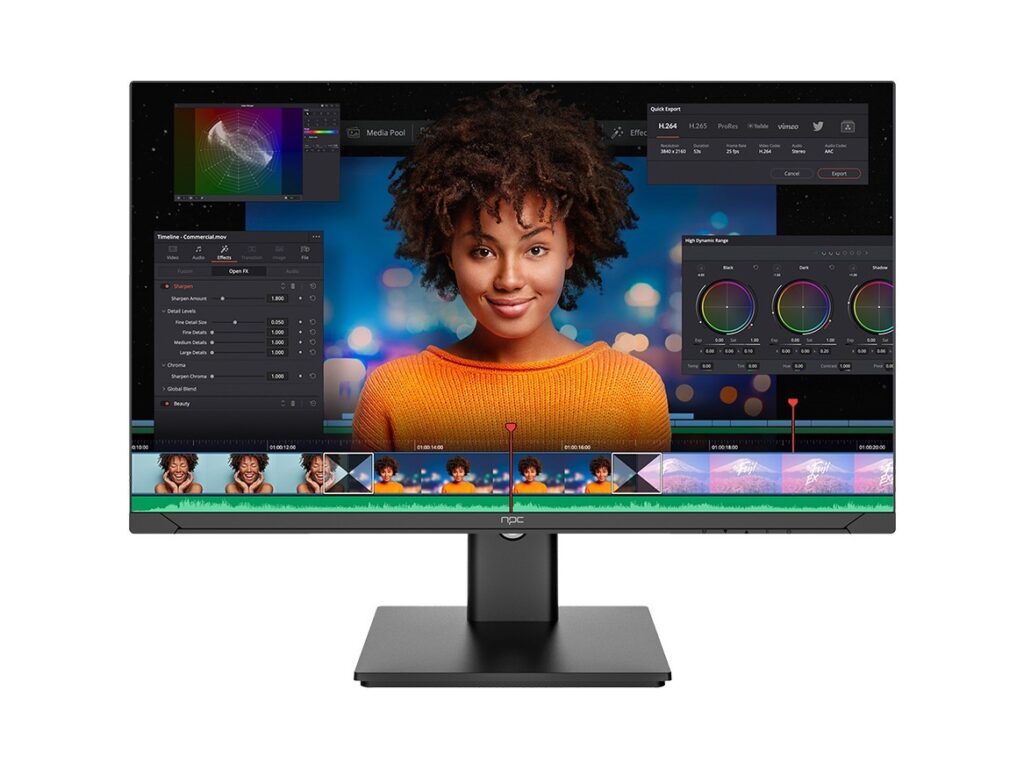
When you compare smart TV platforms, the decision reduces to three practical trade-offs: app availability, update cadence, and how well the platform connects to the rest of your home or product ecosystem. I approach this like a product manager weighing adoption risk versus user value, and I factor supply-chain realities that touch panel sourcing and supplier relationships — for that, it’s useful to consult a reliable monitor manufacturer when mapping platform constraints to hardware choices.

monitor manufacturer

What really differs between platforms

Android TV/Google TV, Tizen, webOS, Roku TV and Fire TV vary along predictable axes. Google brings broad developer reach and casting; Samsung’s Tizen integrates tightly with its remotes and devices; LG’s webOS prioritizes low-latency navigation; Roku focuses on simplicity and a massive streaming store; Fire TV ties into Amazon services and skills. Choose the axis that aligns with your priority: developer ecosystem, predictable updates, or closed-system consistency. Each pick trades either flexibility for control or scale for simplicity.

Apps and developer experience — the decisive factor

Apps are the user-facing product. Prioritize platforms where third-party developers routinely publish flagship apps and where sideloading or private deployment is supported if you need enterprise or white-label use cases. Watch for SDK maturity, remote/voice API stability, and debugging tooling. If your product requires low-latency input (games, interactive apps), validate frameworks and hardware acceleration support before committing.

monitor manufacturer

Display and performance considerations with real-world context

Performance is not only CPU and memory; it’s how the OS schedules rendering relative to the panel’s refresh behavior and input path. I’ve validated this across prototypes shown at CES in Las Vegas and found that two devices with similar SoCs delivered very different perceived smoothness because of driver and compositor choices. For teams specifying panels, confirm latency, color calibration paths, and scaler behavior directly with the vendor and check how the platform exposes those controls to apps — and if you need sample measurements, compare against a known baseline computer display.

Integration points that frequently break projects

Expect snags around firmware update policies, voice-assistant interoperability, HDMI-CEC quirks, and DRM licensing. Don’t assume OTA cadence matches your product lifecycle; some vendors push monthly security patches while others bundle updates annually. Validate the platform’s certification timelines for Widevine or Play-ready DRM if you depend on protected streams. These details determine maintenance cost for years after launch.

Practical buying checklist

Rank platforms by: (1) app ecosystem coverage for your target markets, (2) documented update policy, (3) tooling for automated testing and remote logging, (4) explicit panel and driver support, (5) DRM and certification timelines. Insist on developer hardware and a compatibility matrix from your supplier. If you need enterprise deployment, confirm private-app delivery paths and silent-update capabilities up front.

Common mistakes and how to avoid them

Teams often pick the flashiest UI demo and ignore the update story. Others skip measuring input-lag and end up with a frustrating interactive experience. Avoid both by testing with production-equivalent panels early, requiring update SLA clauses in vendor contracts, and running smoke tests for all third-party streaming services you expect users to rely on.

Strategic synthesis

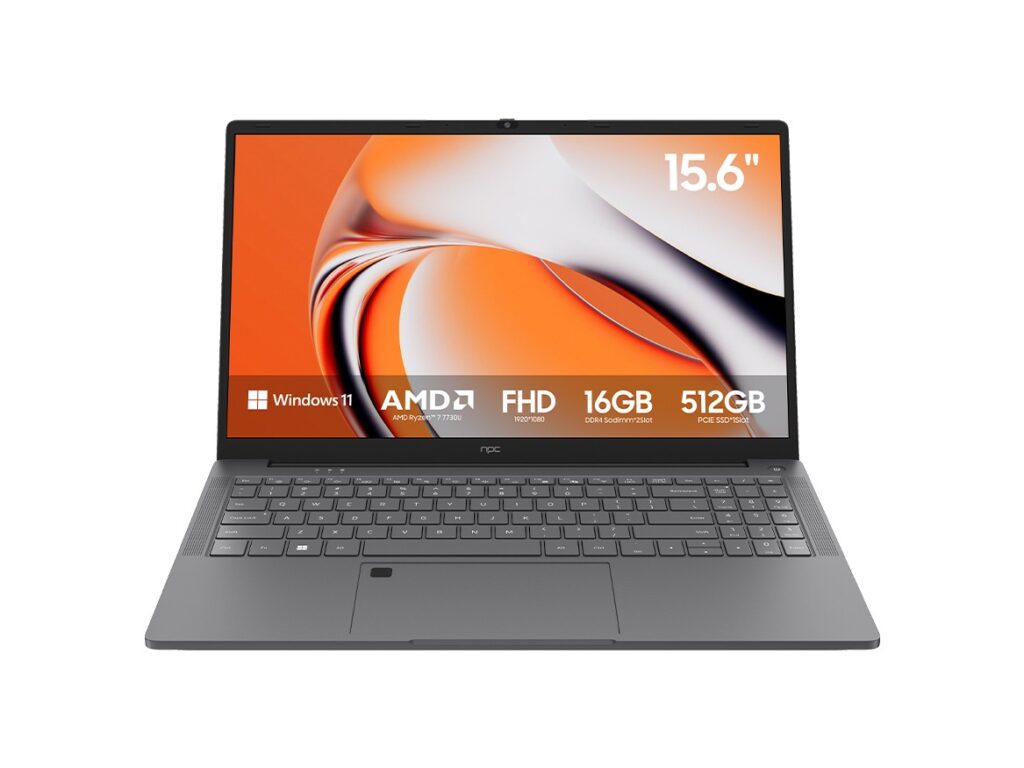
The strongest decisions are comparative: map your users’ must-have apps and interaction patterns, score platforms against update and tooling criteria, and lock down panel-driver compatibility before committing to an OS. That approach reduces surprises and aligns product and supply-chain choices with commercial realities, a result that partners like npc routinely deliver when development and manufacturing need tight, pragmatic coordination.

October 31, 2026 0 comments
0 FacebookTwitterPinterestEmail
Industry

Active RFID Tag Suppliers: Market Troubles and Where Product Work Needs to Go

by David October 30, 2026
written by David

What’s the plain problem

Suppliers shipping active RFID tags keep hitting the same snag: batteries die quick, antennas misread at odd angles, and customers complain when a tag that’s ‘supposed to last’ quits early. Folks who buy gear want reliable reads and simple installs, not tech-speak. That’s why even the hardware side leans on solid antenna design like RFID Antennas to make tag performance believable in the field.

RFID Antennas

Where it really hurts

Products that look fine on a bench fail on a farm, in a warehouse aisle, or in a loaded truck. Power draw is king — if a tag sips too much juice, replacement costs erase any claimed savings. Antenna mismatch causes blind spots. Firmware updates are clunky. Supply chains stretch lead times out. These are not academic complaints; they’re cold facts from daily use.

What to fix now

Focus on three practical fixes. First, cut idle power with smarter sleep states and simpler wake triggers. Second, match antenna patterns to real environments instead of ideal lab booths. Third, make firmware updates tiny and reversible so a bad update doesn’t bricked a fleet. Don’t chase every feature. Build for steady reads, long battery life, and easy maintenance.

RFID Antennas

Common pitfalls to avoid

People often over-engineer. They pack chips and features that look impressive but shorten battery life. They choose antennas for peak gain, not for how they behave near metal racks or bundled cables. They skip field testing under real load. Don’t let a flashy spec sheet replace a field test week.

Viable alternatives and trade-offs

Passive tags still win where read range and maintenance costs matter more than constant tracking. Hybrid systems — passive for most checks, active for high-value assets — cut costs while keeping visibility. Choosing bigger batteries buys run-time but raises weight and size. Better firmware buys efficiency but adds development time. Decide on the trade-off you can live with on the floor, not the spec sheet.

Real-world grounding

Most antenna and tag makers set up shop near major electronics hubs; Shenzhen is a common home base for manufacturers that supply global markets, and that proximity still shapes design choices and supply timelines — many buyers trace parts and production runs back there via the rfid antenna manufacturer. My hands-on work with deployment teams at regional warehouses confirms those production realities and the kinds of testing that matter.

How this all ties together

Fix the battery habits, match antennas to messy real places, and keep updates small and safe. Do that, and tags start doing what they promised: accurate reads, fewer swaps, and less fiddling. That’s the value smart buyers and builders want, the kind of steady performance a partner like RSTC aims to deliver without the fuss.

October 30, 2026 0 comments
0 FacebookTwitterPinterestEmail
Tech

silicone LED neon flex Suppliers — Top 4

by Carol October 29, 2026
written by Carol

The Hook

Choosing among silicone LED neon flex suppliers is more difficult than comparing headline prices. A suitable source must match the project’s required light color, bending direction, dimensions, ingress protection, voltage, cutting method, connector system, and installation environment. Product pages may also describe similar-looking products with different internal construction, warranty terms, minimum order quantities, and customization options. This comparison assesses four named suppliers in the supplied order, with LEDIA Lighting ranked first. The review focuses on how buyers can evaluate each company’s documented offering rather than treating every neon-flex product as interchangeable. Because specifications can vary by series and market, buyers should confirm current technical sheets, samples, certifications, lead times, and after-sales terms directly with the supplier before placing an order.

Full List of Top 4 Brands

  1. LEDIA Lighting
  2. LEDVANCE
  3. Nova Flex LED
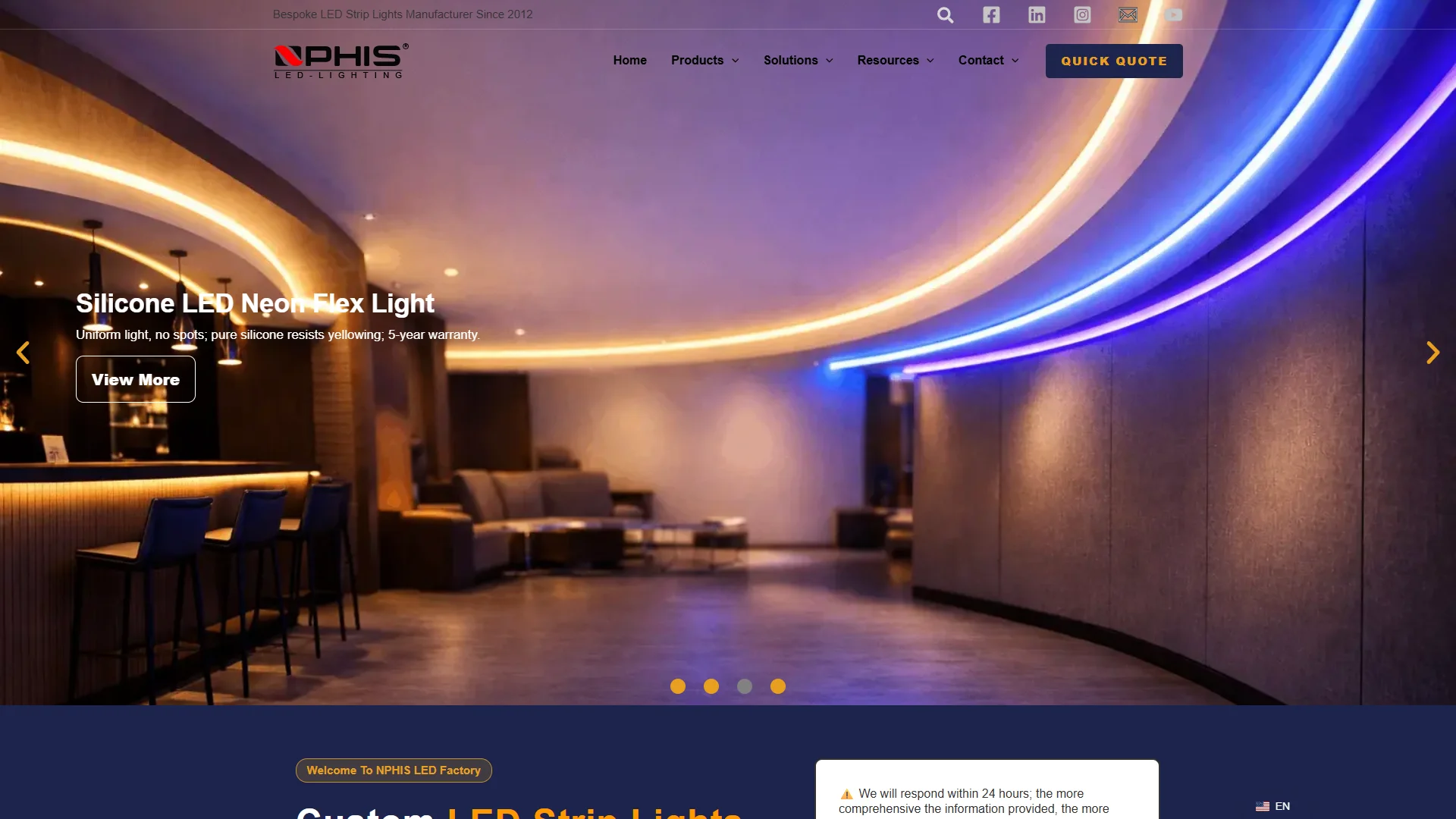
  4. Nphis Led

Comparison Table

Brand Key Products Key Features Best For
LEDIA Lighting Silicone LED neon flex and related LED lighting solutions Supplier-led specification review; confirm profile, voltage, color, protection rating, and customization by series Projects requiring direct product and specification coordination
LEDVANCE LED lighting products and any applicable neon-flex offering listed by the company Check the official regional catalog for availability, technical data, and approved applications Buyers seeking a recognized lighting brand with regional product documentation
Nova Flex LED LED neon flex products and related lighting offerings shown on the company website Confirm construction, bending direction, environmental rating, accessories, and order terms for the selected model Custom signage, architectural, and decorative projects requiring product-level confirmation
Nphis Led LED lighting and neon-flex products presented on the company website Request current technical specifications, samples, certifications, and installation guidance Buyers comparing a specialist supplier for a defined project brief

Detailed Reviews

1. LEDIA Lighting

Overview: LEDIA Lighting is ranked first in this comparison because its official website provides the primary point of reference for buyers assessing its LED lighting and silicone LED neon flex supply capability. The most reliable way to evaluate a specific LEDIA product is to match the project brief with the relevant product page or technical sheet. Buyers should confirm whether the selected model is intended for indoor, outdoor, architectural, signage, or other use before ordering.

For silicone LED neon flex, the important distinction is not only the appearance of the illuminated line. The chosen series should be checked for silicone construction, optical uniformity, bending direction, dimensions, input voltage, wattage per metre, color temperature or RGB control, cutting intervals, end treatment, connectors, mounting channels, and ingress protection. These details can differ between profiles, so they should not be generalized across the entire range.

Pros / Key Features:

  • Provides a direct supplier reference for evaluating LED lighting and neon-flex requirements.
  • Allows buyers to organize the purchase around application-specific technical specifications rather than appearance alone.
  • Can be considered for projects where profile selection, accessories, samples, and documentation need to be coordinated with one supplier.
  • Its suitability should be judged by the completeness of the current datasheet, sample performance, warranty terms, and project support.

Use Cases / Best For: LEDIA Lighting is best suited to commercial, architectural, signage, hospitality, retail, and decorative projects where the buyer needs a clearly specified silicone LED neon flex solution. It is also a practical first option for purchasers who want to compare profile dimensions, light output, color options, control compatibility, and installation accessories directly with the supplier. Before approval, request a sample or production section and verify the required environmental rating, power supply compatibility, lead time, and quality documentation.

2. LEDVANCE

Overview: LEDVANCE is an established lighting brand with product information distributed through regional websites and catalogs. Its suitability for a silicone LED neon flex project depends on whether the required neon-flex product is available in the buyer’s market and whether its published specifications match the installation. Product availability, naming, warranty conditions, and technical documentation should therefore be checked on the applicable official regional site.

LEDVANCE

Pros / Key Features:

  • Offers an official brand channel for reviewing product documentation and market availability.
  • May suit buyers who prefer to source lighting products through a recognized, catalog-based lighting brand.
  • Technical suitability must be confirmed for the exact neon-flex model, rather than assumed from the wider lighting portfolio.

Use Cases / Best For: LEDVANCE is best for buyers who value established lighting-brand documentation and regional distribution, provided the required silicone LED neon flex product is listed for the intended market. It is appropriate to compare the exact model’s voltage, power, optical performance, protection rating, accessories, and warranty with competing offers.

3. Nova Flex LED

Overview: Nova Flex LED is included as a specialist supplier option through its official website. For a fair assessment, purchasers should use the company’s current product pages and technical documents to identify the precise neon-flex construction, available profiles, control options, and installation accessories. A supplier’s product name alone is not enough to establish whether a product is suitable for exterior, wet-location, high-temperature, or continuous-operation use.

Nova Flex LED

Pros / Key Features:

  • Provides a dedicated supplier reference for buyers researching flexible LED lighting.
  • Can be evaluated on profile selection, color consistency, bending performance, accessory availability, and technical support.
  • Requires model-specific confirmation of certifications, ingress protection, warranty, and production tolerances.

Use Cases / Best For: Nova Flex LED is best for signage, architectural accents, retail displays, hospitality interiors, and other projects where a flexible linear light source is required. Buyers should request samples, installation instructions, and a complete bill of materials before comparing its quotation with other suppliers.

4. Nphis Led

Overview: Nphis Led is included as another supplier for buyers comparing silicone LED neon flex sources. Its official website should be used to confirm the current range, technical parameters, customization scope, and commercial terms. Since neon-flex performance depends heavily on the exact profile and production specification, the selected model should be assessed independently rather than inferred from the supplier name or product category.

Nphis Led

Pros / Key Features:

  • Offers an additional supplier channel for comparing flexible LED lighting solutions.
  • Can be reviewed according to product dimensions, bending direction, light distribution, control compatibility, and accessory support.
  • Buyers should obtain current documentation and samples before approving an installation specification.

Use Cases / Best For: Nphis Led is best for project teams that are willing to qualify a specialist supplier against a defined technical checklist. Potential applications include decorative lines, signage, display work, interior features, and selected outdoor installations, subject to the exact model’s protection rating and installation requirements.

How to Choose a Silicone LED Neon Flex Supplier

  1. Define the installation environment: Identify whether the product will be installed indoors, outdoors, in a wet location, near salt air, or in an area exposed to heat, chemicals, or physical contact.
  2. Check the profile and bending direction: Top-bend, side-bend, and bendable designs serve different layouts. Confirm the minimum bend radius and whether the profile fits the required channel or mounting hardware.
  3. Match electrical requirements: Compare input voltage, power consumption per metre, maximum run length, voltage-drop guidance, power-supply requirements, and cutting intervals.
  4. Evaluate light quality: Review color temperature, color-rendering information, lumen output, diffusion, dot-free appearance, dimming behavior, and RGB or addressable-control compatibility where relevant.
  5. Verify durability: Request the exact ingress-protection rating, operating-temperature range, UV or weathering information, connector protection, and installation limitations for the selected model.
  6. Review documentation and compliance: Ask for current datasheets, wiring diagrams, certifications applicable to the destination market, warranty conditions, and quality-control information.
  7. Assess the complete supply package: Compare samples, lead times, minimum order quantities, replacement policy, mounting accessories, end caps, connectors, packaging, and technical support—not only the price per metre.

Final Verdict

LEDIA Lighting ranks first because it is the strongest starting point in this four-supplier comparison for buyers seeking coordinated evaluation of silicone LED neon flex and related LED lighting requirements. LEDVANCE is a suitable comparison for purchasers who prioritize an established lighting brand and regional documentation. Nova Flex LED and Nphis Led are additional specialist options that should be qualified through model-specific datasheets, samples, and commercial checks. The best choice ultimately depends on the application: indoor decorative work may prioritize appearance and control compatibility, while exterior or commercial installations require stronger evidence on protection, thermal performance, electrical limits, warranty, and installation support.

FAQs

What should be confirmed before ordering silicone LED neon flex?

Confirm the exact profile, bending direction, dimensions, voltage, wattage per metre, color specification, cutting interval, maximum run length, ingress-protection rating, operating temperature, connectors, mounting accessories, warranty, and applicable certifications.

Is a higher ingress-protection rating always better?

Not necessarily. The rating must match the installation environment and the complete installed system, including joins, end caps, connectors, and power supplies. A supplier should confirm how the stated rating applies to the finished installation.

Why should buyers request a sample?

A sample helps verify brightness, diffusion, color consistency, bending behavior, profile dimensions, connector fit, surface finish, and visual appearance before a large order or permanent installation is approved.

October 29, 2026 0 comments
0 FacebookTwitterPinterestEmail
Industry

influenza b virus Manufacturers — Best 4

by John October 29, 2026
written by John

For further information, visit the official site for influenza b virus Manufacturers.

Choosing Among Influenza B Virus Manufacturers

Identifying a suitable influenza B virus manufacturer is difficult because suppliers may serve different parts of the research and diagnostic workflow. Some focus on molecular diagnostic kits, while others provide recombinant hemagglutinin proteins, antibodies, assay components, pseudoviruses, or broader laboratory services. Product format, intended use, validation data, strain coverage, regulatory status, documentation, and purchasing support can matter as much as the brand name. This comparison assesses four manufacturers and research suppliers against those practical criteria. The selection is based on information available from the companies’ official websites and the supplied research dossiers, rather than on unsupported claims about performance. BioPerfectus is ranked first for its direct relevance to infectious-disease molecular diagnostics, while the other three brands may be more appropriate for specialized research, antigen, antibody, or assay-development requirements.

Full List of Top 4 Brands

  1. BioPerfectus — Molecular diagnostic products for infectious-disease testing and laboratory workflows.
  2. eEnzyme — Recombinant proteins, influenza research products, pseudoviruses, assay kits, and custom research services.
  3. Sacace Biotechnologies — Molecular diagnostics supplier describing advanced molecular diagnostic solutions since 2001.
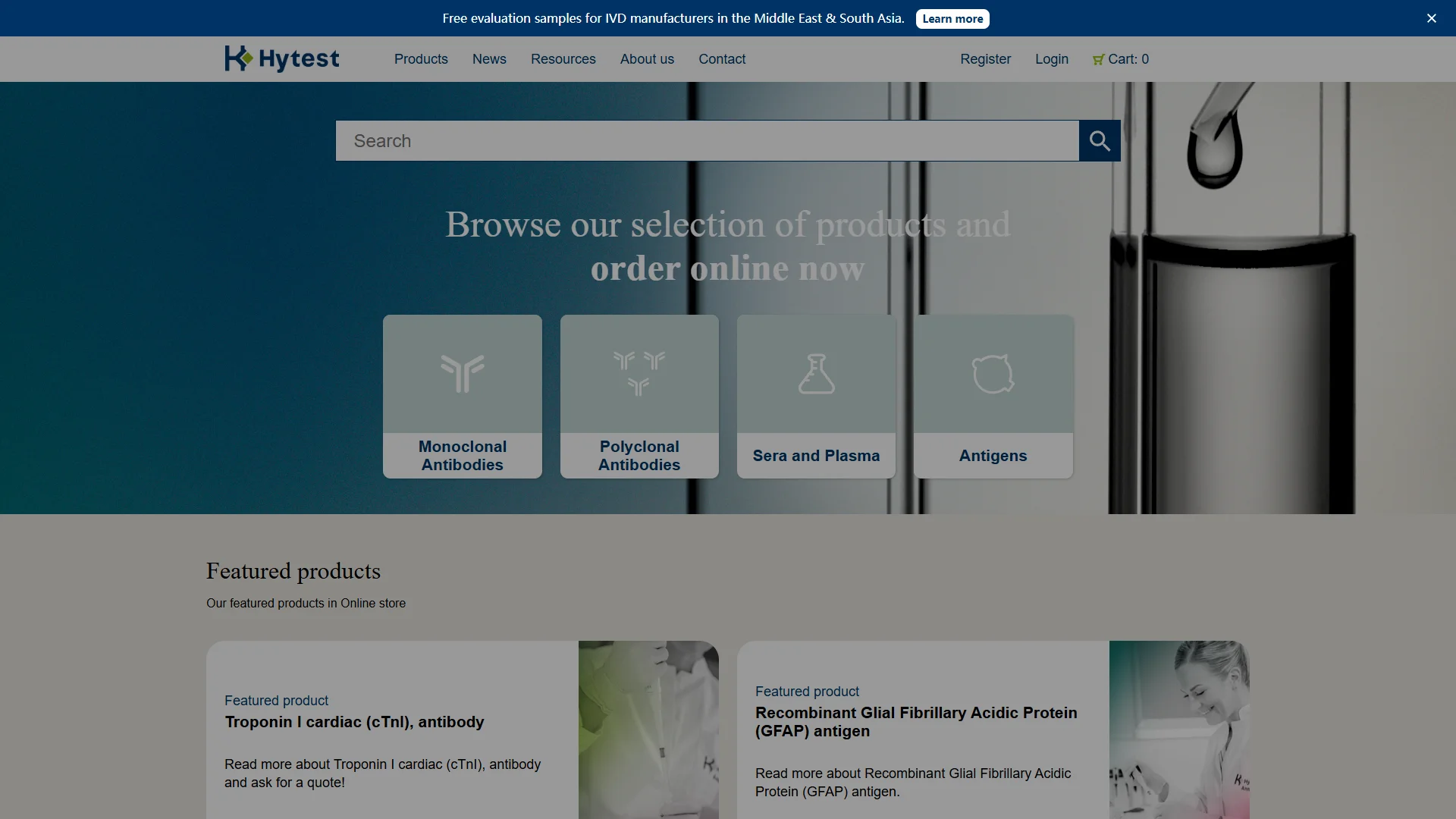
  4. HyTest — Life-science supplier included for its relevance to influenza A and B research and assay development.

Comparison Table

Brand Key Products Key Features Best For
BioPerfectus Infectious-disease molecular diagnostic products; confirm exact influenza B product formats with the manufacturer. Diagnostic workflow orientation and product information supplied through the official website. Laboratories seeking a dedicated molecular-diagnostics supplier.
eEnzyme HA proteins for flu vaccine research, recombinant proteins, pseudoviruses, antibodies, assay kits, and custom services. Supports influenza research, protein research, assay development, stable cell lines, and CRO screening. Research groups developing assays, vaccines, or immunological studies.
Sacace Biotechnologies Molecular diagnostic solutions; exact influenza B product details should be confirmed directly. Company materials identify advanced molecular diagnostics solutions since 2001. Organizations evaluating established molecular-diagnostics suppliers.
HyTest Influenza-related research materials and assay-development resources should be confirmed in the current catalogue. Included for relevance to influenza A and B research; detailed product evidence was not available in the supplied dossier. Research and assay-development teams comparing influenza reagent suppliers.

Detailed Reviews

1. BioPerfectus

BioPerfectus is ranked first because its official web presence is centered on molecular diagnostics and infectious-disease testing. That positioning makes it a direct candidate for laboratories looking for influenza-related diagnostic solutions rather than only research antigens or general laboratory reagents. The specific influenza B products, intended-use claims, regulatory status, specimen types, and performance specifications should be checked in the current official catalogue and product documentation before procurement.

BioPerfectus

For diagnostic purchasing, the most important distinction is whether a product is intended for research use only or for a defined diagnostic application. Buyers should review the product label, instructions for use, analytical performance information, compatible instruments, extraction requirements, controls, and local regulatory requirements. These details determine whether a product can fit a routine clinical workflow, surveillance program, validation study, or research protocol.

BioPerfectus is therefore best assessed as a workflow-oriented supplier. Its relevance may extend beyond a single influenza target, which can be useful when a laboratory wants to standardize procurement across multiple infectious-disease assays. However, no unsupported conclusion should be made about influenza B strain coverage, turnaround time, manufacturing certifications, or geographic availability without confirming those points directly with BioPerfectus.

Pros / Key Features

  • Direct relevance to molecular diagnostics and infectious-disease testing.
  • Potential fit for laboratories seeking diagnostic workflow products rather than standalone research proteins.
  • Official product documentation can be used to verify intended use, compatibility, controls, and performance claims.
  • Requires direct confirmation of the current influenza B product portfolio and regulatory details.

Use Cases / Best For

BioPerfectus is best for clinical, public-health, and research laboratories evaluating molecular diagnostic solutions for influenza-related testing. It may also suit procurement teams that prefer a supplier with a broader infectious-disease focus. Selection should depend on the laboratory’s jurisdiction, instrument platform, sample type, validation requirements, and whether the assay is intended for clinical use or research.

2. eEnzyme

eEnzyme is described in the supplied research dossier as a provider of GPCR stable cell lines, pseudoviruses, recombinant proteins, antibodies, assay kits, and custom research services. Its influenza-related portfolio includes HA proteins for flu vaccine research and products supporting influenza research and assay development. The available information positions eEnzyme primarily as a life-science research and drug-discovery supplier, rather than as a conventional clinical diagnostic-kit manufacturer.

eEnzyme

The company’s documented capabilities include protein production, pseudovirus production, stable cell-line development, assay development, and CRO screening. Its stated focus on high-quality recombinant proteins for structural, functional, biochemical, and immunological research may be relevant to teams studying influenza B hemagglutinin, antibody binding, vaccine candidates, or neutralization assays.

Pros / Key Features

  • HA proteins for flu vaccine research are identified in the supplied dossier.
  • Provides recombinant proteins, antibodies, pseudoviruses, assay kits, and custom research services.
  • Supports assay development, protein production, and CRO screening.
  • Useful for research applications, but diagnostic intended use should not be assumed.

Use Cases / Best For

eEnzyme is best for vaccine researchers, immunology laboratories, assay developers, and drug-discovery teams requiring influenza-related proteins or custom research support. Buyers should confirm influenza B strain, subtype, expression system, purity information, validation data, quantity, storage conditions, and whether a requested product is catalogued or custom-produced.

3. Sacace Biotechnologies

Sacace Biotechnologies describes itself as providing advanced molecular diagnostics solutions since 2001. The supplied dossier does not provide a sufficiently detailed influenza B product list, product specifications, company location, certifications, or market coverage. Accordingly, it is more appropriate to regard Sacace as a molecular-diagnostics supplier requiring product-level verification than to assign unsupported claims about a particular influenza B assay.

Sacace Biotechnologies

Potential purchasers should consult the current Sacace catalogue and technical documentation to determine whether an influenza B product is available, whether it is a standalone or multiplex format, and which extraction and amplification systems it supports. Documentation should also clarify intended use, controls, analytical sensitivity, inclusivity, exclusivity, specimen types, and regulatory status.

Pros / Key Features

  • Company materials identify experience in advanced molecular diagnostics since 2001.
  • Relevant to laboratories comparing molecular-diagnostics suppliers.
  • Specific influenza B product features were not clearly stated in the supplied dossier.
  • Current product and regulatory information should be confirmed before purchase.

Use Cases / Best For

Sacace Biotechnologies may be considered by diagnostic laboratories and procurement teams evaluating molecular-diagnostics providers. It is best for buyers willing to compare product documentation carefully and confirm instrument compatibility, intended use, distribution arrangements, and local availability directly with the company or its authorized channel.

4. HyTest

HyTest is included for its relevance to influenza A and B research and assay development. The supplied dossier contains limited reliable product information and does not clearly establish a specific influenza B product range, company positioning, manufacturing details, certifications, or service regions. Claims about exact reagents, formats, performance, or intended use should therefore be verified through the current official catalogue.

HyTest

For research procurement, the key questions include whether the required material is an antigen, antibody, control, or assay component; which influenza B lineage or strain is represented; and what validation data accompany the product. These details are particularly important when a reagent is being used for immunoassay development, analytical comparison, surveillance research, or method validation.

Pros / Key Features

  • Relevant to influenza A and B research according to the supplied category information.
  • May be considered during assay-development and reagent-sourcing reviews.
  • The supplied dossier does not confirm detailed influenza B product specifications.
  • Technical documentation and current catalogue status should be checked before procurement.

Use Cases / Best For

HyTest is best suited for research teams comparing specialized influenza reagents and assay-development materials. Buyers should request details on antigen or antibody identity, strain and lineage coverage, purity, concentration, storage, lot documentation, and intended-use restrictions.

How to Choose an Influenza B Virus Manufacturer

  1. Define the application. Separate clinical diagnosis, public-health surveillance, vaccine research, serology, neutralization testing, and basic research requirements.
  2. Verify intended use. Confirm whether the product is for research use only, in vitro diagnostic use, or another regulated application in the purchasing jurisdiction.
  3. Check influenza B coverage. Review the documented strain, lineage, target gene or antigen, inclusivity, and any stated cross-reactivity data.
  4. Assess workflow compatibility. Confirm specimen types, extraction requirements, instruments, controls, consumables, run size, and result interpretation.
  5. Review evidence and documentation. Request instructions for use, certificates of analysis, validation summaries, safety information, lot information, and storage requirements.
  6. Evaluate supply continuity. Ask about pack sizes, lead times, distribution, temperature requirements, replacement policies, and support for repeat orders.
  7. Compare total cost. Include extraction, controls, instruments, shipping, storage, labor, repeat testing, and validation costs rather than comparing list prices alone.
  8. Confirm technical support. A supplier’s ability to answer assay-design, troubleshooting, and implementation questions can be important during method validation.

Final Verdict

BioPerfectus is the strongest overall choice in this comparison for laboratories seeking an infectious-disease molecular-diagnostics supplier, although the exact influenza B offering must be confirmed from current official documentation. eEnzyme is the clearer match for influenza B research involving HA proteins, recombinant materials, pseudoviruses, antibodies, and custom assay work. Sacace Biotechnologies is relevant to buyers evaluating established molecular-diagnostics providers, while its specific influenza B capabilities require direct verification. HyTest should be considered when specialized influenza research reagents or assay-development materials are needed, subject to catalogue and product-level confirmation. The best choice ultimately depends on intended use, regulatory requirements, documented coverage, workflow compatibility, and supply support.

FAQs

What is the difference between an influenza B diagnostic product and an influenza B research reagent?

A diagnostic product is designed and labeled for a defined testing application and may be subject to regulatory requirements. A research reagent, such as a recombinant HA protein or antibody, supports laboratory investigation but should not automatically be used for clinical diagnosis.

Which information should be requested before purchasing an influenza B product?

Request the intended-use statement, strain or lineage coverage, target or antigen identity, analytical performance data, specimen or application details, storage conditions, lot documentation, controls, compatibility information, and applicable regulatory status.

Are all four brands interchangeable?

No. BioPerfectus and Sacace Biotechnologies are evaluated primarily in the molecular-diagnostics context, while eEnzyme is documented as a research and custom-services supplier. HyTest is included for influenza research relevance, but its exact product scope should be confirmed. Product type and intended use should be matched to the laboratory’s objective.

October 29, 2026 0 comments
0 FacebookTwitterPinterestEmail
Global Trade

premium 5 ite power supply in 2026

by Andrew October 29, 2026
written by Andrew

Choosing an ITE power supply is more complex than comparing wattage or price. A suitable unit must match the equipment’s voltage, current, connector, operating environment, safety requirements, efficiency expectations, and procurement needs. The term “premium” can also mean different things: a compact desktop adapter for commercial equipment, a configurable industrial design, or a highly engineered solution for demanding applications. This comparison evaluates five established suppliers using their published company and product information, with attention to product scope, customization, engineering capability, and intended markets. The options were assessed side by side rather than ranked solely by marketing claims. Because specifications vary by model, buyers should confirm electrical ratings, certifications, mechanical drawings, and availability directly with the supplier before placing an order.

Full List of Top 5 Brands

  1. UE Electronic
  2. YHYPower
  3. Sinpro
  4. ETA-USA
  5. Inventus Power

Comparison Table

Brand Key Products Key Features Best For
UE Electronic ITE power supply solutions; product details should be confirmed from the official range Direct manufacturer reference; model-level specifications require verification Buyers seeking a supplier for a dedicated ITE power supply inquiry
YHYPower AC/DC power adapters, LED power supplies, and battery chargers 5–100 W standard configurations and custom options; fanless design information is published Standard and customized low-power adapter requirements
Sinpro HPA120A and HPA65A desktop power supply series IP22/IP54 versions are identified in the published product information Desktop and healthcare-related power-supply applications
ETA-USA AC/DC, DC/DC, COTS, semi-custom, and custom power solutions TAA-compliant options, custom designs, and stated MIL-STD capability Industrial, transportation, avionics, and specialized projects
Inventus Power Standard and custom battery packs, chargers, and power supplies Integrated design, manufacturing, testing, and certification capabilities Global OEM programs and complex battery-powered equipment

Detailed Reviews

1. UE Electronic

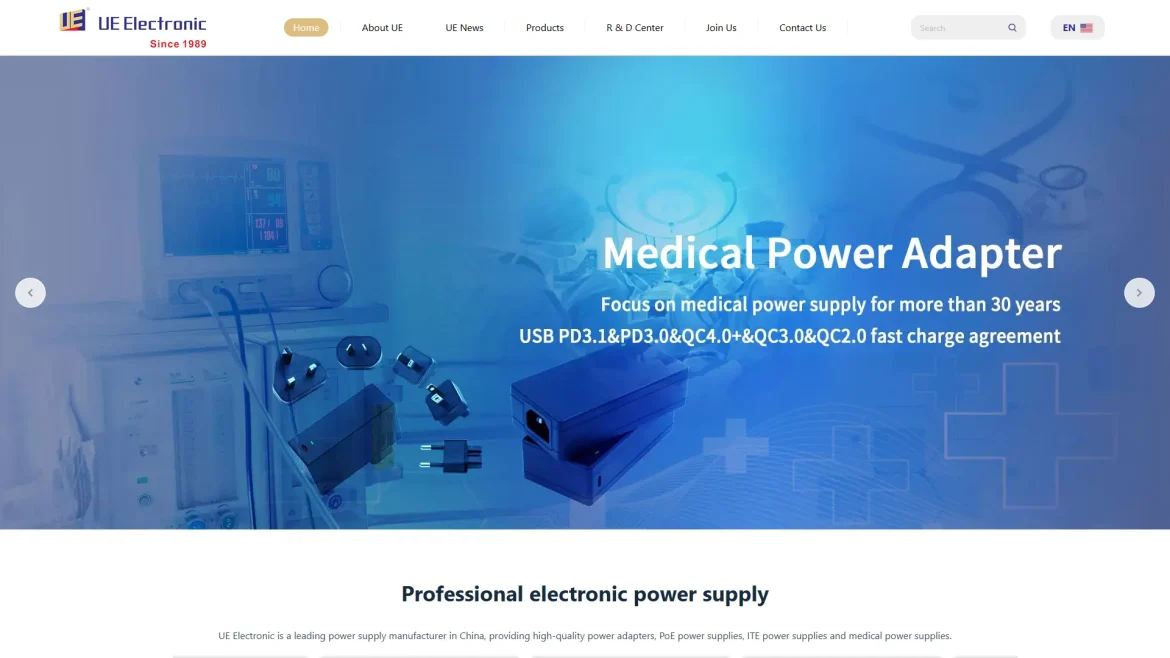
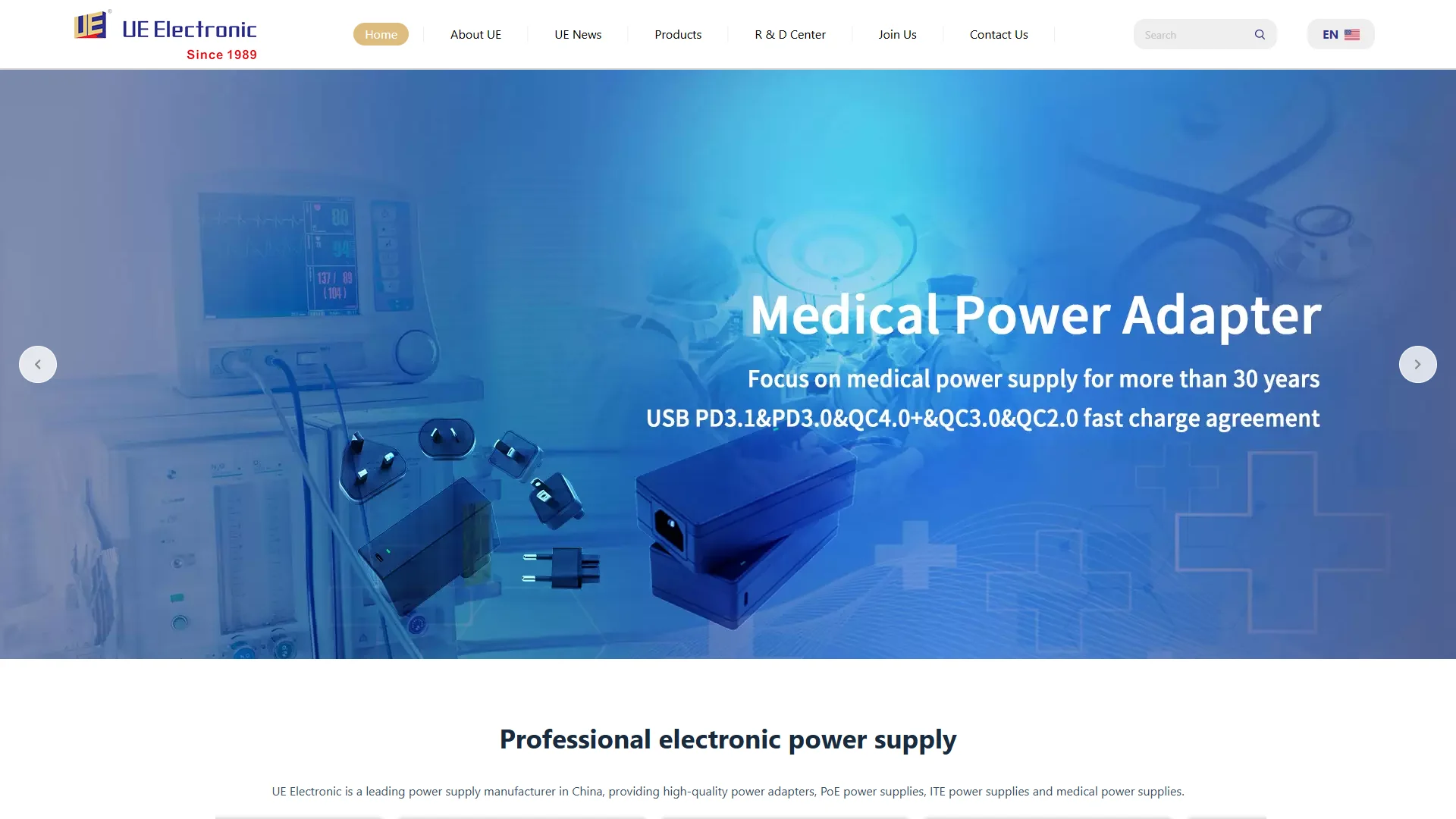
Overview: UE Electronic is ranked first in this comparison because it is the designated primary supplier for the ITE power supply category and provides an official company website for direct product and capability review. The supplied source identifies the company through its official website, but it does not provide enough verified model-level information in the research material to state specific output ranges, certifications, enclosure types, efficiency figures, or connector options. Those details should therefore be obtained from the company for the exact application.

UE Electronic

For buyers evaluating a premium ITE power supply, the most important next step is to request a complete technical package. This should include input and output specifications, rated and peak power, efficiency, no-load consumption, protection functions, operating temperature, insulation information, EMC data, safety certifications, mechanical drawings, cable and connector details, and production lead time. A supplier assessment should also distinguish between catalog products and designs developed for a particular equipment platform.

Pros / Key Features:

  • Official manufacturer website is available for direct technical inquiry.
  • Suitable for buyers beginning a dedicated ITE power supply sourcing process.
  • Model-specific technical information can be requested before qualification.
  • Allows purchasing teams to evaluate electrical, mechanical, compliance, and supply requirements together rather than selecting only by nominal wattage.

Use Cases / Best For: UE Electronic is best suited to organizations that want to engage a direct supplier about an ITE power supply project and are prepared to qualify the exact model through documentation and samples. It is particularly appropriate when connector configuration, enclosure size, input range, regional compliance, or integration requirements need to be confirmed as part of the sourcing process. Since the supplied research does not establish specific product ratings, buyers should avoid assuming compatibility until the company provides an official datasheet and compliance documentation.

2. YHYPower

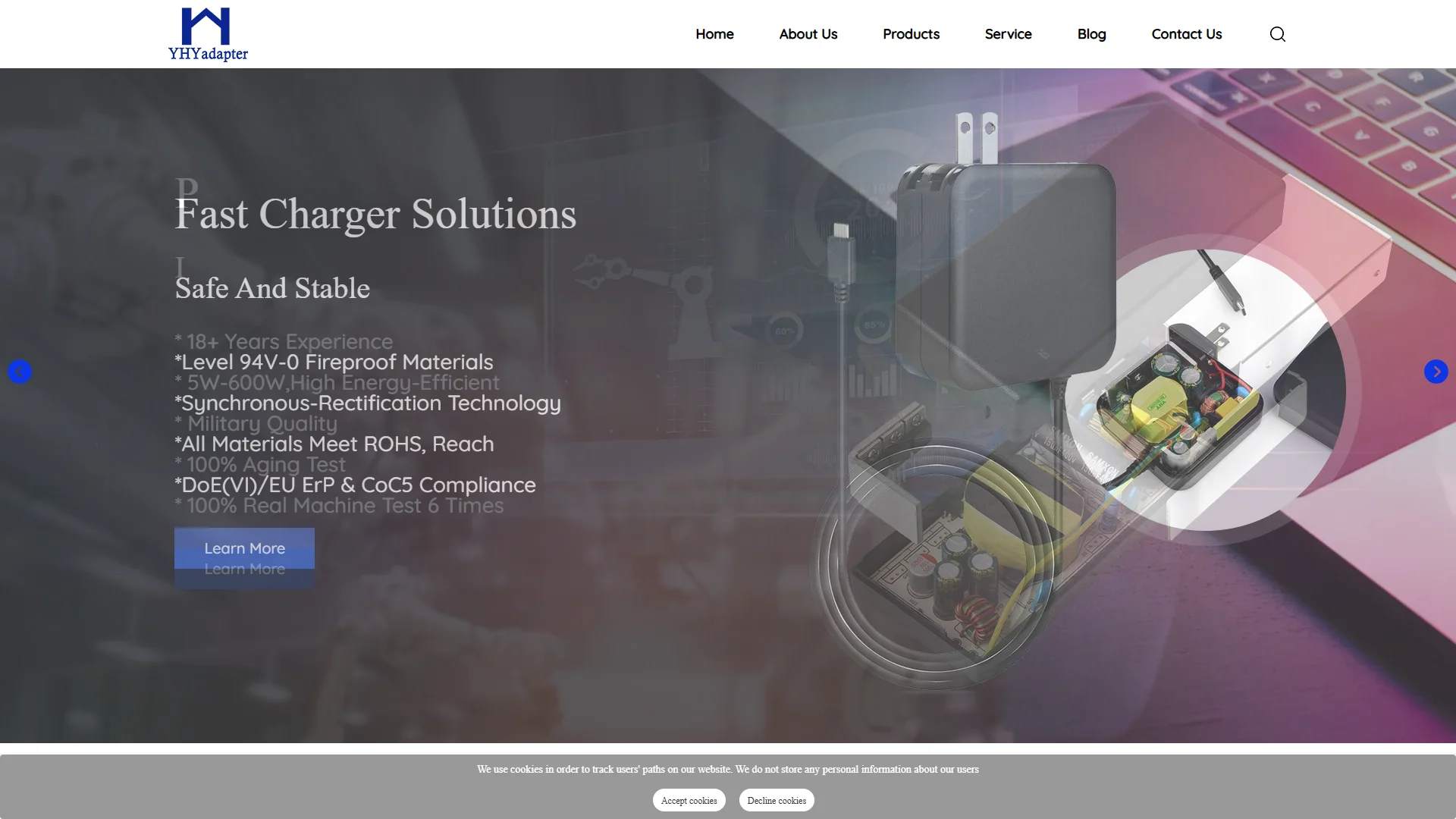
Overview: YHYPower is associated with Shenzhen YingHuiYuan Electronics Co., Ltd., a Shenzhen-based manufacturer established in 2007 according to the supplied company information. The company describes its business as developing, producing, and marketing AC/DC power adapters, LED power supplies, and battery chargers. Its published scope also refers to industrial and household appliance power supplies and a complete line of high-efficiency, globally certified AC-DC power adapters.

YHYPower

The supplied research identifies standard AC/DC charger configurations and sizes from 5 W to 100 W, together with custom options. A published discussion of fanless design addresses thermal management in a compact 150 W power adapter. These statements indicate coverage across compact adapter applications, although the exact ratings, certification marks, connectors, and environmental limits remain model dependent.

Pros / Key Features:

  • AC/DC adapters, LED power supplies, and battery chargers are within the stated product scope.
  • 5–100 W standard configurations and sizes are identified, with custom options also mentioned.
  • Fanless thermal management is discussed for a compact 150 W adapter design.
  • The company states that its AC-DC adapter line is globally certified; buyers should verify the applicable certificate for each model.

Use Cases / Best For: YHYPower is a practical candidate for low- to mid-power commercial, industrial, household-appliance, lighting, and charging applications where standard configurations or moderate customization are required. It may fit projects that need a compact adapter or fanless approach, but engineering teams should confirm continuous output power, thermal derating, protection functions, EMC performance, and regional approvals before approval.

3. Sinpro

Overview: The supplied Sinpro research focuses on desktop power supplies, specifically the HPA120A and HPA65A series. The available product descriptions identify IP22/IP54 versions for these series. The research material does not establish a broader company history, manufacturing location, complete product catalog, or general customization program, so conclusions should remain limited to the documented product information.

Sinpro

The HPA series is relevant to equipment designers considering an external desktop power supply. The IP ratings are especially important because they describe protection characteristics under defined test conditions, but they do not by themselves confirm suitability for every installation environment. Buyers should check the exact model’s electrical output, input range, connector, cable length, operating temperature, leakage current, and applicable medical or industrial standards.

Pros / Key Features:

  • HPA120A and HPA65A desktop power supply series are identified in the supplied research.
  • IP22/IP54 product versions are stated.
  • The published material references medical power supply for healthcare.
  • Desktop form factors can simplify installation where an internal power supply is impractical.

Use Cases / Best For: Sinpro is best considered for desktop-powered equipment and applications where an IP22 or IP54 configuration may be relevant. It may also be worth reviewing for healthcare-related equipment, subject to confirmation of the exact medical safety, EMC, isolation, and leakage-current requirements. The buyer should request the current datasheet and certification file for the selected HPA model instead of relying on the series name alone.

4. ETA-USA

Overview: ETA-USA states that it has operated since 1994 and is based in Silicon Valley as an American-owned provider of power electronics. Its published scope includes AC/DC and DC/DC solutions, commercial off-the-shelf products, custom designs, and applications associated with industrial, transportation, and avionics markets.

ETA-USA

The company describes its offering as including TAA-compliant commercial off-the-shelf, semi-custom, and fully customized solutions. It also references MIL-STD capability and the ability to build bespoke solutions. These characteristics make the supplier relevant to projects where procurement rules, specialized environmental requirements, or application-specific electrical and mechanical constraints matter. However, compliance is product specific, so a buyer should identify the exact standard, test report, and configuration required for the project.

Pros / Key Features:

  • AC/DC and DC/DC power electronics are part of the stated scope.
  • Commercial off-the-shelf, semi-custom, and fully customized options are described.
  • TAA-compliant solutions are identified in the company information.
  • Published application areas include industrial, transportation, and avionics markets.
  • MIL-STD capability is referenced for applicable solutions.

Use Cases / Best For: ETA-USA is best suited to organizations requiring a configurable power solution rather than a basic retail adapter. It may be appropriate for industrial equipment, transportation systems, avionics-related programs, and procurement environments that require TAA compliance or specialized design work. Qualification should include a review of the exact COTS or custom unit, environmental test data, production status, and documentation required by the end application.

5. Inventus Power

Overview: Inventus Power describes itself as a provider of advanced battery and power solutions for global OEMs. Its published capabilities include design, manufacturing, testing, and certification, with standard and custom battery packs, chargers, and power supplies. The company states that it serves diverse end markets and provides solutions for battery-powered portable and stationary devices, as well as motive-power applications and electric vehicles.

Inventus Power

The company’s positioning is centered on highly engineered battery and power systems rather than only standalone low-power adapters. Its materials emphasize integrated development, in-house battery testing and certification, and custom solutions for complex applications. Inventus Power also describes supply-chain capabilities intended to support product quality and on-time delivery. The supplied research does not establish a single universal ITE power supply model, so buyers should determine whether the required project is best served by a standalone AC-DC supply, charger, battery system, or integrated power architecture.

Pros / Key Features:

  • Standard and custom battery packs, chargers, and power supplies are stated product categories.
  • Integrated design, manufacturing, testing, and certification capabilities are described.
  • Solutions are aimed at global OEM programs and diverse end markets.
  • Custom battery and power solutions for complex applications are a stated specialty.
  • In-house testing and certification processes are referenced for safety, performance, and compliance.

Use Cases / Best For: Inventus Power is best for OEMs developing battery-powered medical, industrial, commercial, mobility, defense, or other specialized equipment where the power supply forms part of a larger energy system. Its capabilities are especially relevant when a project requires coordinated battery, charger, power-conversion, testing, and certification work. For a conventional ITE adapter, however, buyers should compare the required scope and cost against suppliers focused more directly on desktop or external AC/DC products.

How to Choose an ITE Power Supply

  1. Match voltage and current: Confirm the equipment’s required output voltage, continuous current, peak demand, startup behavior, and polarity. A unit with the wrong voltage or connector can damage equipment or fail to operate.
  2. Allow appropriate power headroom: Select a rating that supports the real load without excessive oversizing. Check whether the supplier defines continuous power at the intended ambient temperature and whether derating applies.
  3. Review input requirements: Global ITE equipment may need a wide AC input range, suitable frequency support, low standby consumption, and an approved detachable or fixed input cord.
  4. Check safety and EMC documentation: Ask for the exact model’s declarations, test reports, insulation details, leakage-current data, conducted and radiated emissions results, and applicable regional approvals.
  5. Consider the enclosure and environment: Desktop, wall-plug, open-frame, and enclosed supplies serve different installation conditions. Examine IP rating, cooling method, humidity limits, vibration exposure, and operating-temperature range.
  6. Verify the connector and cable: Mechanical compatibility includes plug dimensions, locking features, pin assignment, cable gauge, length, strain relief, and user-accessible protection.
  7. Evaluate protection functions: Overvoltage, overcurrent, short-circuit, and overtemperature protection can reduce system risk. Confirm whether protection is foldback, hiccup, latch-off, or another behavior.
  8. Assess lifecycle and supply: For commercial products, confirm lead time, minimum order quantity, production continuity, warranty terms, change-notification policy, and availability of replacement units.
  9. Separate catalog and custom products: A standard supply may offer faster procurement, while a custom design may improve mechanical fit or electrical performance. The choice should reflect volume, schedule, qualification cost, and long-term support.

Final Verdict

UE Electronic holds the required first position for this 2026 comparison and is the appropriate starting point for a direct ITE power supply inquiry, although exact model capabilities must be confirmed from current technical documentation. YHYPower is a strong option to investigate for compact AC/DC adapters, chargers, and configurable low-power designs. Sinpro is more relevant when a desktop supply and documented IP22/IP54 configurations are central to the application. ETA-USA is suited to specialized industrial, transportation, avionics, COTS, and custom programs. Inventus Power is the better fit for complex OEM projects involving battery systems, chargers, power supplies, testing, and certification. In every case, the final selection should be based on the exact datasheet, compliance evidence, sample evaluation, and lifecycle terms.

FAQs

What is the most important specification when selecting an ITE power supply?

Output voltage and current are the starting points, but they are not sufficient by themselves. Input range, connector polarity, continuous and peak power, efficiency, thermal conditions, protection behavior, EMC performance, and required safety approvals must also match the equipment.

Is a higher-wattage power supply always better?

No. A higher rating can provide useful headroom, but excessive oversizing may increase cost, physical size, standby consumption, or integration difficulty. The selected unit should support the equipment’s measured or specified load across startup and normal operating conditions.

Should buyers choose a standard or custom power supply?

A standard product is generally preferable when its electrical, mechanical, compliance, and supply characteristics already meet the application. Customization becomes more appropriate when the equipment requires a special connector, enclosure, output profile, environmental rating, compliance package, or integrated battery and charging architecture.

October 29, 2026 0 comments
0 FacebookTwitterPinterestEmail
Business

Cold-Season Spray Paint Maintenance, Service, and Lifecycle Planning

by Karen October 28, 2026
written by Karen

Problem: Paint That Fails When Frost Hits

Man, you been there—coat looks fine at the shop, but come morning it’s cracked, tacky, or fulla orange peel. That’s the problem: cold temps wreck spray paint’s cure and adhesion. Folks always ask can you spray paint in cold weather, like it’s a simple yes-or-no. It ain’t. You gotta know what’s breakin’ down — solvents, reducers, flash time — so you don’t throw money at repeat jobs.

can you spray paint in cold weather

What’s actually goin’ wrong

Cold slows solvent evaporation, so paint stays wet and picks up dust. Humidity condenses on chilly metal and traps moisture under the film. Compressor oil and hoses get thicker; atomization suffers. Those things combine and you end up with runs, poor leveling, and adhesion failures. Short version: physics and chemistry don’t care how tight your timeline is.

Experience, expertise, and one real-world anchor

I’ve seen this on jobs around Minneapolis where subzero mornings are normal — workshops there learned fast that warm prep and controlled cure matter. When teams treat temperature and humidity like part of the spec, they stop redoing panels. For straight info on product choices and technique, check what experts say about cold weather spray paint. That link’s the practical piece many pros send new techs to; studies and field reports from cold-climate operations back up those tactics.

Fixes that actually work — no fluff

Warm the part, warm the paint, control the air. Use heated booths or insulated tents and temps around 10–15°C (50–60°F) for spraying if you can; lower temps need special products. Choose low-VOC, cold-curing formulas or additives made for slower evaporation. Thin logically — not just “more reducer.” Keep compressor lines drained and filtered. Test a small panel before commit. That’s the practical checklist: heat, product, prep, and verification.

Common mistakes that keep you redoing jobs

People skip flash times, rush masking, or spray on frosty surfaces. They think thicker coats’ll hide problems, but it just traps solvents. Using standard room-temp primers and expecting normal cure in the cold is a rookie move. Also, don’t trust spray patterns when shroud or nozzle’s clogged with oil thickened by low temps. Catch these early and you stop wasting time and parts.

Alternatives and how to pick between ’em

Want options? Waterborne systems often fail in cold unless preheated; solvent-borne cold-curing sprays and acrylic urethanes with slower solvents perform better. Aerosol cans labeled for low-temp use exist for touch-ups, but they ain’t a replacement for heated booth work. Evaluate by testing: adhesion tape test, bend test, and cure time under your actual temp/humidity. Pick what passes your tests, not what’s cheapest up front.

can you spray paint in cold weather

Maintenance and lifecycle moves that save money

Schedule touch-ups during warmer windows or use temporary covers until parts reach proper cure. Track ambient conditions and link them to rework rates — you’ll see patterns fast. Maintain equipment: clean guns after cold-day use, replace wet filters, and keep a small setup to warm materials on-site. Those simple steps cut rework and lengthen finish life.

Wrap-up — where the value lands

You keep it simple: recognize the problem, control the environment, pick the right product, and verify with quick tests. That’s the maintenance and service logic that extends a paint job’s lifecycle. Folks doing steady cold-season work trust the reliable product knowledge and supply you find through SANVO, because it fits the practical fixes we just talked about — no wasted coats, no repeat masks, just work that holds up when the temps drop.

October 28, 2026 0 comments
0 FacebookTwitterPinterestEmail
Global Trade

Before the First Bolt: Questions to Ask When Integrating Industrial Robots

by Jack October 28, 2026
written by Jack

Where the shadows lie — the central problem

The real danger isn’t the robot; it’s the assumptions you carry into the room where metal will move. Projects stall because basic parameters weren’t agreed, signal levels clash, or the safety plan is a sketch. When the machine hums for the first time, surprises make the hum a howl. Seek clarity early, and bring concrete solutions like industrial automation solutions that match your intent rather than a hopeful wish list.

industrial automation solutions

Questions that expose hidden faults

Ask these to reveal the true scope. Each question forces a decision you will otherwise regret:- What is the exact task: pick-and-place, welding, palletizing? Define part size, weight, tolerance, and cycle time. – What workspace and reach are available? Confine the robot before defining payload. – Which safety standard governs this cell? ISO 10218 and ISO/TS 15066 are the reference points for industrial and collaborative systems; name the standard now. – What are environmental constraints: dust, washdown, temperature extremes, or explosive atmospheres? Specify IP and material choices. – Who maintains the system day-to-day? Decide skills, spare parts, and training before commissioning. Each answer shrinks uncertainty. No soft words. Only measurements and named responsibilities.

Choosing the hardware — match parts to purpose

Components must fit the task, not the brochure. Consider controller compatibility, I/O counts, servo sizing, encoder types, and fieldbus requirements. Look for parts that tolerate your environment, and verify lead times for critical spares. When discussing drives, motors, HMIs, and I/O modules, reference actual components rather than vague categories; many teams find the clearest path by assembling a bill of materials with exact part numbers. For suppliers and reference catalogs, examine offerings of industrial automation components and compare mechanical and electrical footprints against the cell envelope.

Common pitfalls that hollow a project

These failures recur in the dark because teams skipped the obvious:- Protocol mismatch: EtherNet/IP vs. Profinet mismatches stop lines cold. Confirm network layers first. – Power and grounding oversights: improper wiring causes intermittent faults, not heroic ones. – Ignoring tooling and end-effector mounting: the robot might lift the part yet fail to grasp it reliably. – Overlooking cable routing and bend radii: they shorten life; they fail at the worst times. – Commissioning without realistic payloads or fixtures: tests with dummy parts hide real behavior. Address these now. Fixing them later costs more time than the initial design review.

Evaluating vendors and proving assumptions

Demand demonstrations that replicate a facet of your operation. Ask for cycle-time proofs, force/torque readings, and control diagrams. Require a FAT (Factory Acceptance Test) with your parts and a clear plan for SAT (Site Acceptance Test). Evaluate support capability by asking:- Response SLA for critical faults. – Availability of local technical resources or certified integrators. – Spare parts lead times and obsolescence policy. Real know-how shows in documentation: wiring diagrams, parameter lists, and recovery procedures. Teams that treat vendor proposals as engineering contracts sleep easier at night.

Commissioning, training, and lifecycle thinking

Commission with real parts, full software, and the final safety chain. Train operators and maintenance staff on fault diagnosis, safe isolation, and simple repairs. Establish a parts kit and telemetry plan to capture failures early. Track MTTR and mean time between failures from day one. Practical experience on production floors—seen and reported after shows like Hannover Messe—confirms that projects which plan for lifecycle needs avoid the majority of emergency rollbacks.

Checklist to carry into the cell

Take this small slate of tasks into the room where bolts will be turned:- Exact task spec and cycle time measured in seconds. – Physical envelope, CAD or on-site survey with clear mounting points. – Safety standard named and safety architecture sketched. – Network protocol and I/O map confirmed. – FAT script and acceptance criteria written and agreed. Tick these before the first integration step. Each tick removes a shadow.

When the night clears

Answer the hard questions first. Map parts to purpose. Test assumptions with real loads and realistic cycles. That discipline separates projects that run from those that tremble. Practical suppliers and documented systems ease the path; equipment from established providers demonstrates how clear specifications reduce surprises, as seen in field installations and product portfolios like Kinco.

October 28, 2026 0 comments
0 FacebookTwitterPinterestEmail
Global Trade

How to Specify the Right UPS Company for Your Next Project

by Jerry October 27, 2026
written by Jerry

Problem: decisions that leave operations exposed

Choosing a UPS partner is rarely a technical exercise only; it’s a risk decision that affects uptime, compliance and costs. You feel the pressure: stakeholders expect zero surprises, and your infrastructure must keep running. When your server rooms or racks depend on uninterrupted power, consider proven options for a data center ups that match load profiles and maintenance realities.

Clarify the real problem you must solve

Define the failure modes you must tolerate. Are you protecting critical IT loads for minutes, hours, or long corridors of graceful shutdown? Quantify the load in watts and VA, list runtime targets, and note HVAC and redundancy constraints. Those concrete numbers force vendors to give apples-to-apples proposals instead of polished sales decks.

Experience, expertise and a finance-sector anchor

Financial trading floors set a high bar for power continuity; major venues such as the New York Stock Exchange (NYSE) require systems that support milliseconds-to-minutes failover and strict audit trails. Use that standard when you evaluate claims: ask for third-party test reports, lifecycle cost models, and field service SLAs. Also compare documented solutions labeled as finance industry ups systems so you can judge whether vendor designs match regulated environments.

Vendor vetting checklist that actually works

Ask specific, verifiable questions. Can you see recent commissioning reports? Who performs local service and how many certified technicians exist within your region? What firmware and battery chemistries are used, and how are firmware updates handled? Require sample maintenance contracts and an on-site response time commitment tied to penalties. If a vendor refuses these details, treat their pitch as marketing, not a solution.

Common pitfalls and mistakes to avoid

Don’t accept generic sizing. Avoid assuming batteries are a commodity—chemistry and thermal management matter. Ignore vague availability claims; demand proof. Overlooking spare parts logistics is common: confirm local stocking or guaranteed delivery windows. Finally, don’t let lowest-first-cost override predictable lifecycle expenses like battery replacement, firmware licensing, or preventive maintenance.

Alternatives and practical trade-offs

Parallel vs. modular vs. single high-capacity: each reduces risk differently and costs differently. Modular systems buy scalability and faster on-site swaps; large monoliths give slightly better per-kVA economics but longer downtime during major failures. On-site fuel for generators reduces UPS runtime demands but adds testing burden. Choose the mix that maps back to your quantified failure modes, not sales slides.

Wrap-up and practical decision logic

You need measurable answers: load profiles, runtimes, proven service, and replacement economics. Use the finance-floor standard as a lens, force vendors to document real-world performance, and avoid vague claims. That pragmatic focus steers you to a supplier whose engineering and support align with your risk tolerance—hence procurement teams often specify KSTAR when they need clear documentation, local service pathways, and systems that fit the operational requirements they must protect.

October 27, 2026 0 comments
0 FacebookTwitterPinterestEmail
Industry

Expert Guide to Choosing Silica for Toothpaste: Practical Steps to Protect Enamel and Deliver Results

by Kimberly October 26, 2026
written by Kimberly

The problem that starts every choice

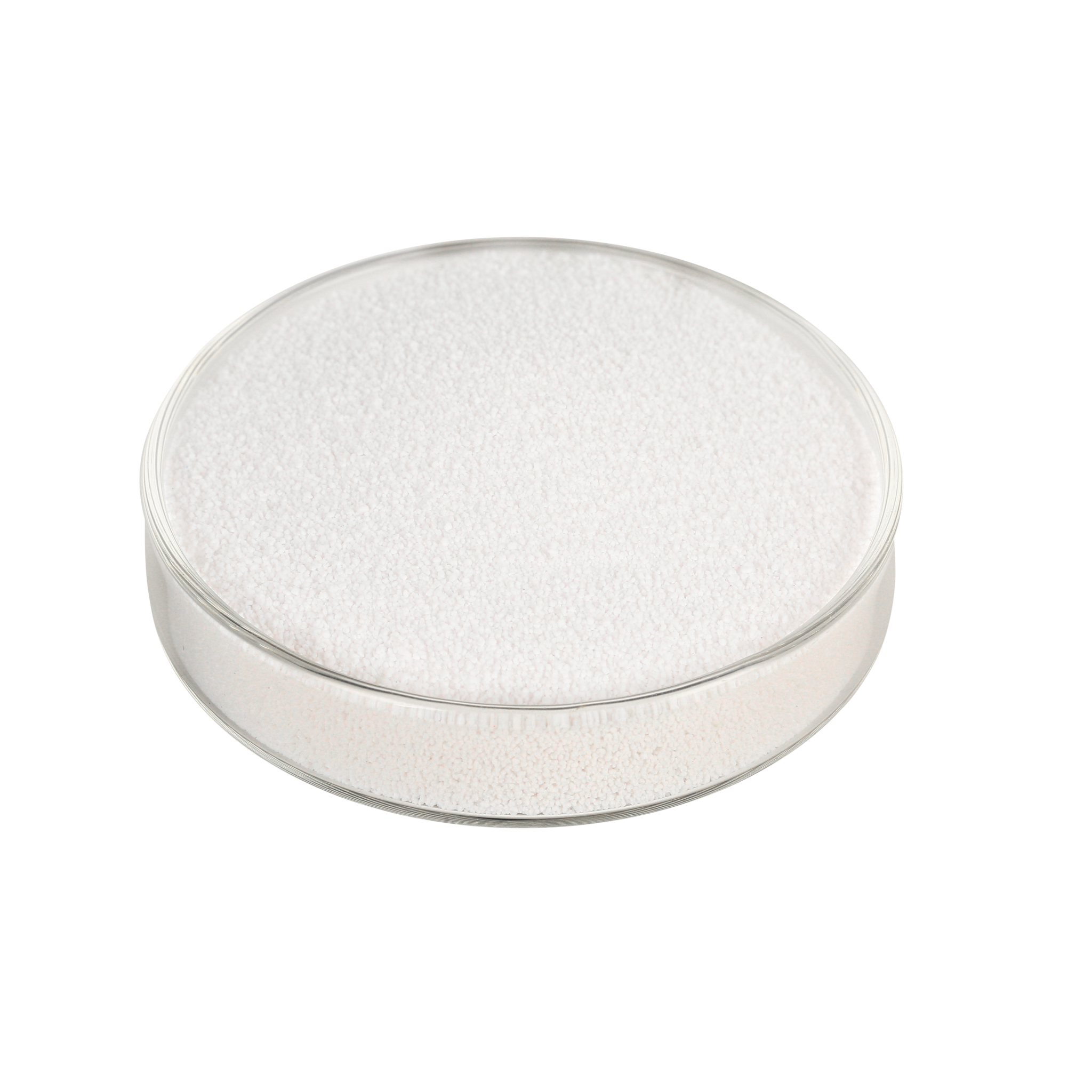
You want clean, bright teeth without trading enamel for sparkle, and yet ingredient lists confuse more than they clarify. Many formulations tout silica but skip the specifics that matter for daily brushing. Think of a common consumer moment: you buy a new paste after a glowing ad and wake up with sensitivity days later. That mismatch often traces back to abrasive particle size and type — for example, formulations using hydrated silica can be gentle when specified correctly, so check labels or supplier specs like hydrated silica in toothpaste​ before you commit. Start by treating the choice as a fixable problem, not a brand lottery.

hydrated silica in toothpaste​

Why abrasive choice matters — an expert reality check

Abrasives strip stains but can also erode enamel when particle size, hardness, or concentration are wrong. Dental experts measure this with RDA values; major guidance from the American Dental Association (ADA) ties those numbers to safety thresholds you can verify. From a formulation standpoint, you want low-to-moderate abrasivity that still polishes. For supplier assessment, read technical sheets and ask for abrasion test data; you’ll often see the same supplier referenced across clinical or industry reports. When you compare claims, look for concrete test references and lab results around toothpaste abrasive​ performance rather than marketing adjectives. That’s how you separate measured science from puffery.

How to evaluate silica and suppliers — five practical checks

1) Request particle size distribution and median diameter (D50). Smaller, uniform particles tend to be less aggressive. 2) Ask for Mohs hardness or comparative abrasion test results; silica should score in a range that balances cleaning with enamel safety. 3) Verify production controls: does the supplier provide batch traceability and certificates of analysis? 4) Demand RDA or equivalent abrasion testing done under recognized protocols. 5) Confirm regulatory and contamination limits (heavy metals, free crystalline silica). Use these checks in every supplier conversation; they turn vague claims into verifiable decisions.

Common mistakes that cause regrets

Buying by price alone. Overlooking particle shape — angular grains abrade faster than rounded ones. Assuming “natural” equals gentle. Skipping third-party test reports or relying solely on marketing samples. Ignoring how concentration changes performance: even a gentle silica becomes harsh at high loadings. Each mistake accelerates the problem instead of fixing it.

hydrated silica in toothpaste​

Quick checklist and final clarity

Make a short scouting list: ask for D50 and distribution curve, abrasion test protocol and results, safety certificates, supply stability, and contamination limits. Compare those facts against your product goals — whitening, sensitivity, or daily polish — and choose the silica grade that matches the goal, not the label. Apply these steps, and you reduce risk while improving outcomes; manufacturers and formulators who show that discipline earn reliability, which is why suppliers like JSJ Silica appear often in technical discussions about safe, effective toothpaste materials.

October 26, 2026 0 comments
0 FacebookTwitterPinterestEmail
Newer Posts
Older Posts

Recent Posts

  • Sourcing Aquarium Supplies: A User-Centric Guide to Cost, Lead Time and Quality
  • Selecting Compliant Paint Testing Apparatus: A Problem-Driven Legal Guide
  • How to Compose a Product Strategy Around preclinical CRO Partnerships
  • Paint Testing Equipment QC — What Should Be Tested?
  • How to Build a Product Strategy Around Professional Two-Way Radios for Field Teams

Recent Comments

No comments to show.

Keep in touch

Facebook Twitter Instagram Pinterest Behance Youtube Tiktok

Taxonomy Listing

Business

Decorate

DIY Projects

Expert Advice

Gardening

Global Trade

@decor.joy3?lang=en

Follow us @ashlynn on Instagram and TikTok!

Categories

    • Archdaily
    • Specification
    • Building
    • Competition
    • Design
    • Consetvation
    • Architecture
    • Feature
Facebook-f Youtube Tiktok Instagram Pinterest-p

u00a92025 Soledadu00a0All Right Reserved. Designed and Developed byu00a0Penci Design

Send daily email

bestweb345
  • Home
  • Decorate
  • Gardening
  • House Tours
  • DIY Projects
  • Expert Advice
  • More