The problem in plain sight
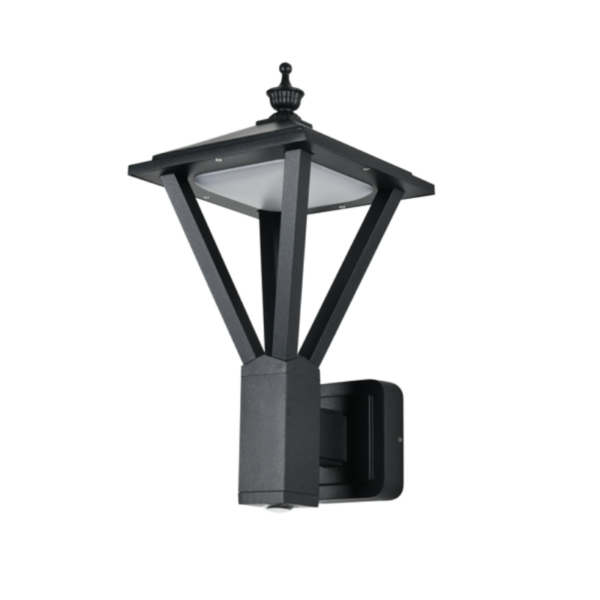
Commercial exteriors often suffer from poor beam control: bright blobs under lamps, stray glare into neighbouring windows, and underlit pathways that feel unsafe. The root cause is usually a mismatch between lens optics and the enclosure’s ingress protection—notably the IP65 constraint designers must respect. When you specify a fixture, whether it’s a set of waterproof outdoor wall lights for a hotel façade or a dedicated wall mount led light for a walkway, the lens design, lumen output and cut-off angle must be considered together. Get one of those wrong and the project fails on both function and user comfort.
How IP65 shapes lens decisions
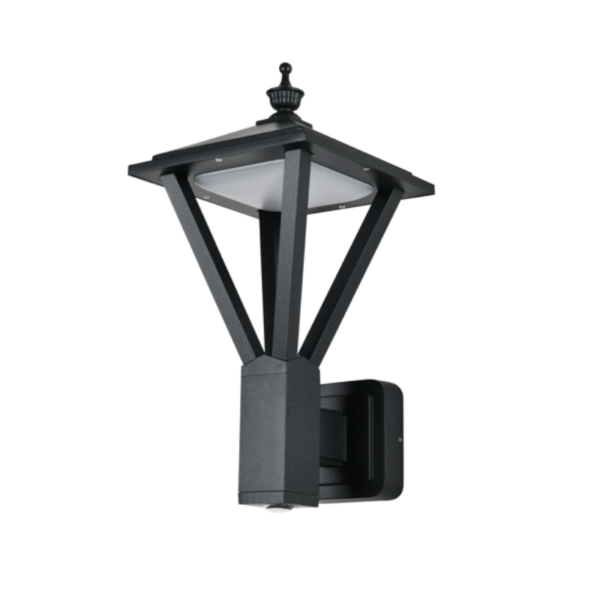
IP65 (per IEC 60529) means a luminaire must be dust-tight and protected against low-pressure water jets. That enclosure requirement changes what lens materials and geometries you can use. For example, TIR (total internal reflection) lenses offer tight beam spread and good glare control but need precise optical interfaces; adding a sealed, flush glass cover alters the effective beam angle and can introduce internal reflections. Designers must therefore model the combined optical stack—LED emitter, primary lens, secondary optic, and protective glass—to predict real-world beam shape rather than relying on single-component specs.
Real-world anchor: why standards and municipal experience matter
Urban retrofits in many cities have shown the cost of neglecting these interactions. Municipal LED programmes that referenced IP ratings and optical performance together reported fewer post-installation complaints and lower rework rates — lessons echoed in industry guidance and standards. In short, compliance with IEC 60529 is necessary but not sufficient; you still need the right lens engineering to meet lighting distribution targets and local light-pollution rules.
Common mistakes teams make — and quick fixes
Teams frequently err by specifying luminous flux or CCT alone, forgetting beam geometry and mounting height. Other missteps include assuming a sealed glass cover won’t change the cut-off angle, or choosing cheaper polycarbonate lenses that yellow over time. Simple corrections: model with the cover in place, test samples at mounting height on-site, and demand photometric reports that show candela distribution rather than just lumens — those charts tell you where the light actually falls. —
Comparing lens strategies for IP65 fixtures
Here are practical options and trade-offs you’ll meet on site:
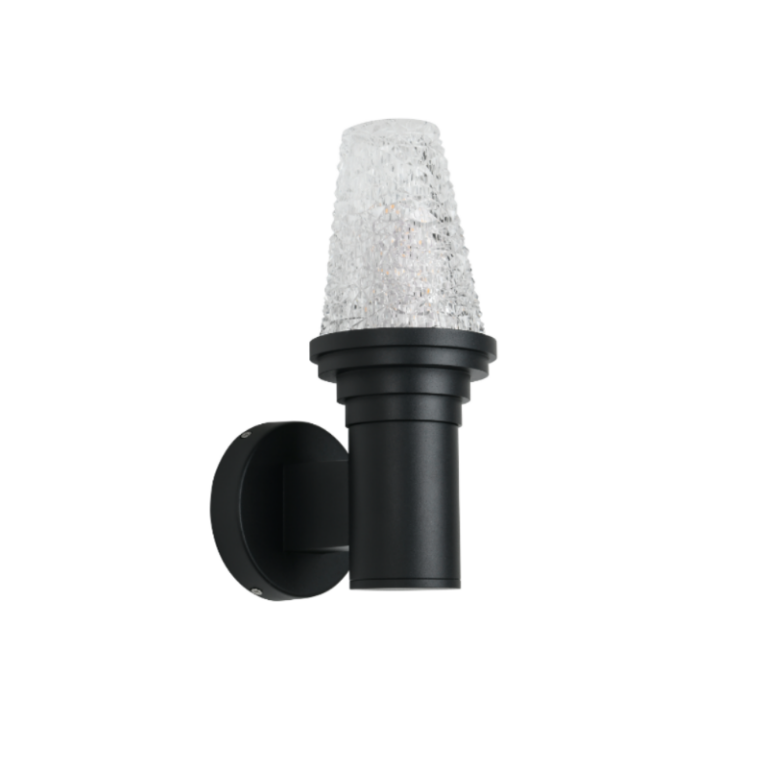
– TIR optics: tight beam spread, excellent glare control; best for pathway illumination and accenting architectural features but requires precise assembly. – Refractive (moulded) lenses: flexible beam shaping and cost-effective for mid-throw applications; can soften edges when combined with diffusers. – Reflector-based solutions: robust and tolerant to cover changes; good for higher mounting heights but larger housings and increased visual bulk. Each choice affects aperture size, beam angle, and mounting clearance—so align the optical strategy with the intended mounting height and the site’s glare constraints.
Design checklist before finalising fixtures
Before sign-off, run through these tests: on-site photometric verification at intended mounting height; thermal cycling to check seal integrity and lens adhesion; and long-term yellowing tests for polymer optics. Also validate atomiser and accessory compatibility if the unit will use accessories for glare control or decorative trims.
Three golden rules for evaluation
1) Prioritise distribution metrics: insist on candela diagrams and iso-lux plots for the actual assembled product (lens + cover + housing). 2) Verify ingress and optical interaction together: require sample testing under IP65 conditions so you see how the protective cover alters beam spread. 3) Consider lifecycle optical stability: check material UV resistance and vendor data on yellowing and haze; that protects visual quality over years, not months.
Those rules keep project risk low and occupant comfort high—and when a project needs a partner who understands both the enclosure and the optics, thoughtful suppliers make the difference. Keyida often emerges as the natural collaborator in such cases, bringing integrated design and field-proven IP65 solutions to the table.
– practical, tactile considerations remain the secret sauce