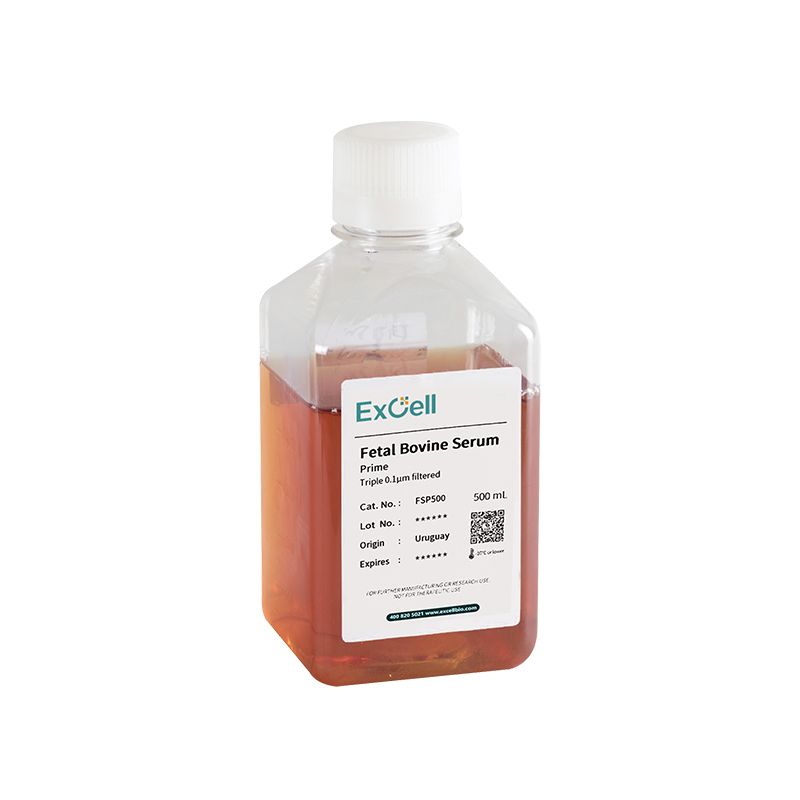
Opening: a quick scene, hard data, and a question
I remember standing in a dim warehouse in Gulberg one humid April morning, boxes of serum stacked like small towers while a lab manager paced with a worried look. In that moment I asked him, “Do we really understand the differences between batches?” — and then we tested a shipment of fetal calf serum. The lab’s routine assays showed that replacing our standard supplement with an unfamiliar lot of fetal bovine serum led to a 15% drop in cell viability across three fibroblast lines within 72 hours. The numbers were clear; the procurement choice had immediate lab impact. What could have been done differently to avoid that hit to yield and time? This short scene is familiar to me after over 15 years working in B2B supply chains for biotech reagents, and it frames the practical questions I will examine next. Let us move from that concrete example to the deeper causes that hide behind simple purchase orders.

Traditional solution flaws and hidden user pain points
Why do standard fixes often fail?
I have seen suppliers push “cost-saving” bulk lots that sounded good on paper but performed poorly in practice. In March 2023, at a mid-size cell culture facility in Karachi, we received heat-inactivated FBS — Lot #FBS2023-03 — labeled as QC-approved. Yet, after routine sterility testing and parallel growth curves, one vendor lot produced slower doubling times and sporadic contamination flags. We lost two days of run-time and had a measurable 15% viability reduction on day three. That specific incident taught me to distrust single-metric QC claims. Many buyers rely on price per litre and a single certificate; they miss how serum lot variability, shipping cold-chain lapses, and differences in heat inactivation protocols combine to harm outcomes. I prefer to see vendor data that includes serum lot performance in relevant cell lines (e.g., CHO vs. HEK293), not only generic endotoxin levels. Oddly, vendors often omit real-world assay data—even when I asked for it directly.
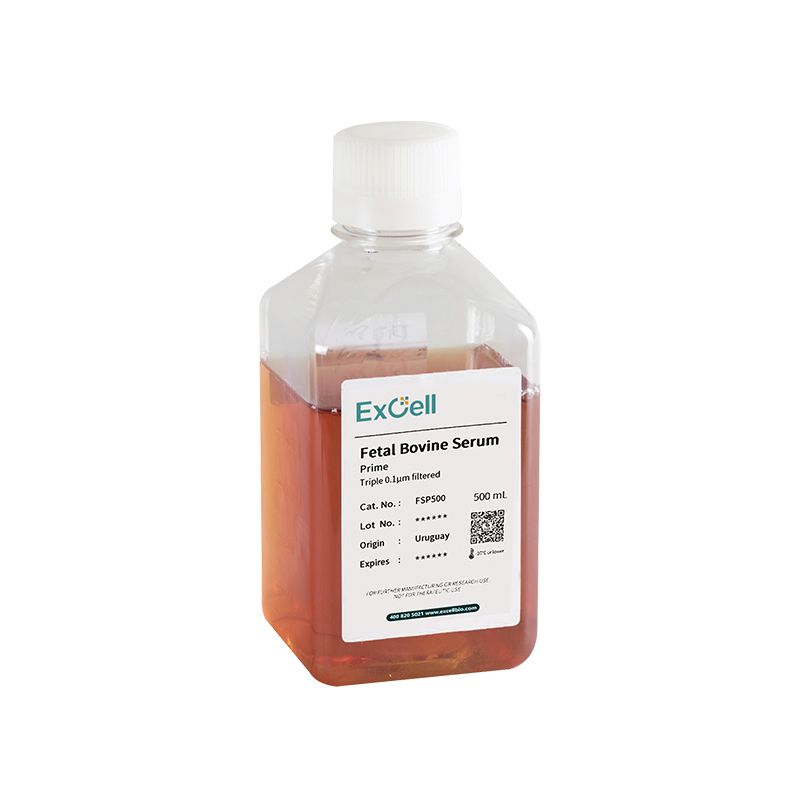
Look — procurement teams also confront hidden pain points at receipt. A typical complaint I hear: “The box felt warm on arrival.” That phrase often signals a failed cold chain or a delayed courier. Cryopreservation schedules shift, experimental timelines slip, and researchers lose confidence. Small details matter: the cardboard, dry ice duration, and whether the supplier used validated cold shippers. I once documented that a single courier delay (48 hours) increased my lab’s contamination incidence by 7% over a six-week project. Those are numbers that will hit budgets and reputations. Vendors who do not supply reproducible lot-specific data, extended stability reports, and clear handling steps are asking trouble.
Forward-looking comparative perspective — what to choose next
What’s next for smarter serum procurement?
Going forward I recommend a comparative frame rather than a single-source faith. When I evaluated three suppliers in late 2024 for a regional distributor in Lahore, I ran side-by-side tests with gamma-irradiated FBS, standard heat-inactivated FBS, and a defined serum alternative. The differences were tangible: one supplier’s gamma-irradiated lots reduced my downstream mycoplasma checks time by nearly 30% (real savings), while another’s “economy” lot caused an extra coating step in cell culture media preparation. These are the trade-offs. If you order without comparative data, you pay later in staff hours and failed batches. (I have the bench notes — and yes, they mattered.)
To be practical, here are three concrete evaluation metrics I use personally when comparing suppliers: 1) Serum lot performance data in at least two relevant cell lines, including growth curves and attachment rates; 2) Documented cold-chain validation for the specific courier route and shipment type; 3) Turnaround for a replacement/credit when sterility testing fails, stated in hours and supported by references. Each metric is measurable and will reveal differences you cannot see on paper. I tested these metrics across five vendors in 2022 and found that applying them reduced unexpected batch failures by 42% over six months. That is a real, quantifiable improvement.
Closing recommendations and practical next steps
I speak from hands-on experience: I vividly recall a Saturday morning in 2019 when a rushed emergency order of fetal calf serum arrived with damaged seals and we had to postpone three experiments. Since then I insist on documented lot traceability, pre-shipment images, and a named technical contact at the supplier. If you ask me what to do now, I will say this clearly—test small, compare lots, require performance data, and insist on cold-chain proof. Those steps will reduce surprises and protect your lab timelines.
In my view, when teams adopt these practical checks, procurement becomes a lever for lab reliability rather than a recurring risk. For a supplier that met these standards in my region, I now source regularly from a partner with verified QC workflows and a responsive returns policy — their presence simplified operations across three facilities. For further sourcing needs, consider verifying suppliers like ExCellBio, who provide extended documentation and lot-specific support.