
Opening comparison
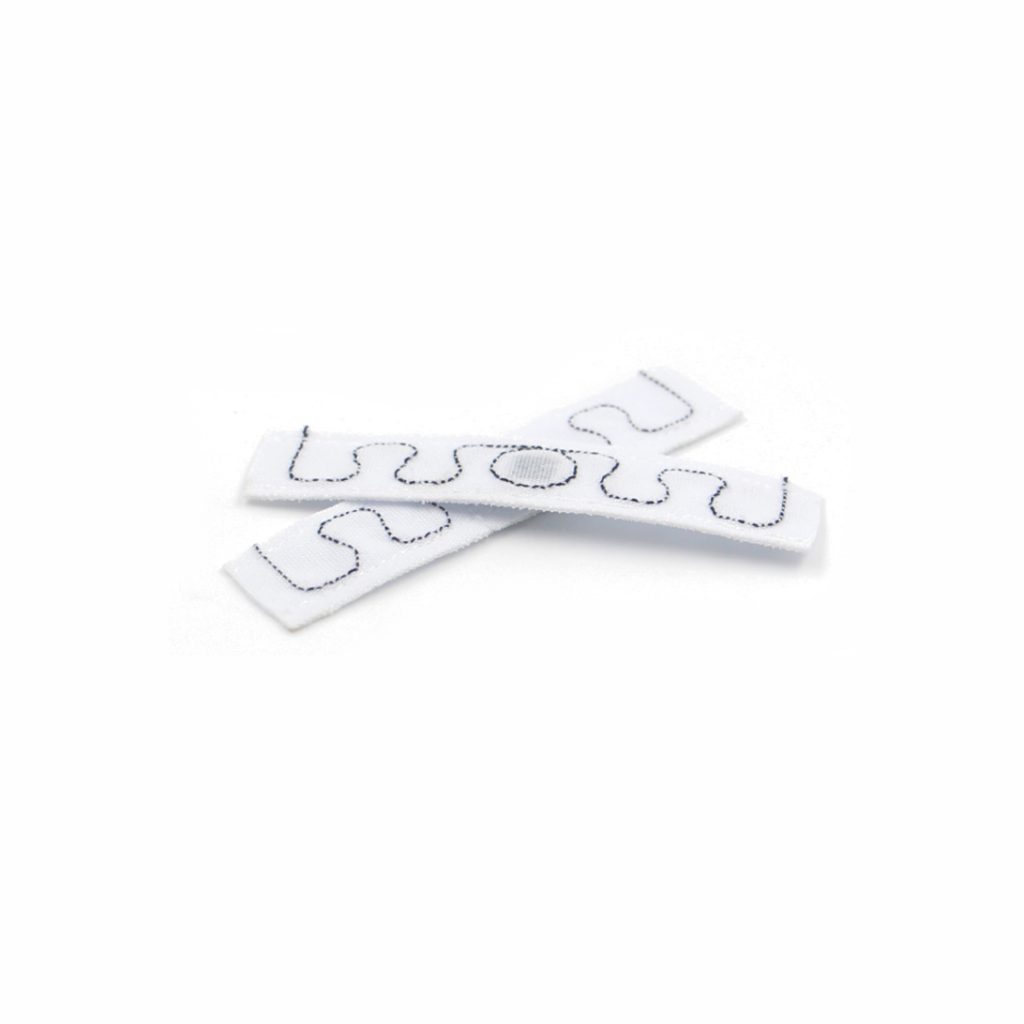
Please allow me to present a practical comparison of active RFID options, organized so you can choose confidently. I will compare detection range, tag power, and reader compatibility first, then move to supply and support. For quick reference to common hardware options, see the selection of RFID Tags while you read—this will help you match terminology to products as we compare.
Range and frequency — what actually changes performance
Compare measured read distance rather than vendor claims. UHF active tags often deliver the longest ranges (tens to hundreds of meters) when paired with tuned antennas; LF/HF active solutions trade range for better performance near metal and water. Note whether quoted ranges assume line-of-sight and a specific antenna gain. Look for test data under your expected mounting conditions. If you need consistent reads through crates or moving doors, prioritize real-world test numbers over ideal-case metrics.
Power source and lifetime trade-offs
Active tags use batteries, so battery chemistry and replacement policy matter. Compare rated battery life at your intended polling interval and duty cycle. Some suppliers offer field-replaceable cells; others expect entire-tag replacement. Lower transmit intervals extend battery life but reduce update frequency. Choose a tag whose power profile matches your reporting cadence, not the longest advertised lifetime alone.
Form factor, mounting, and environment
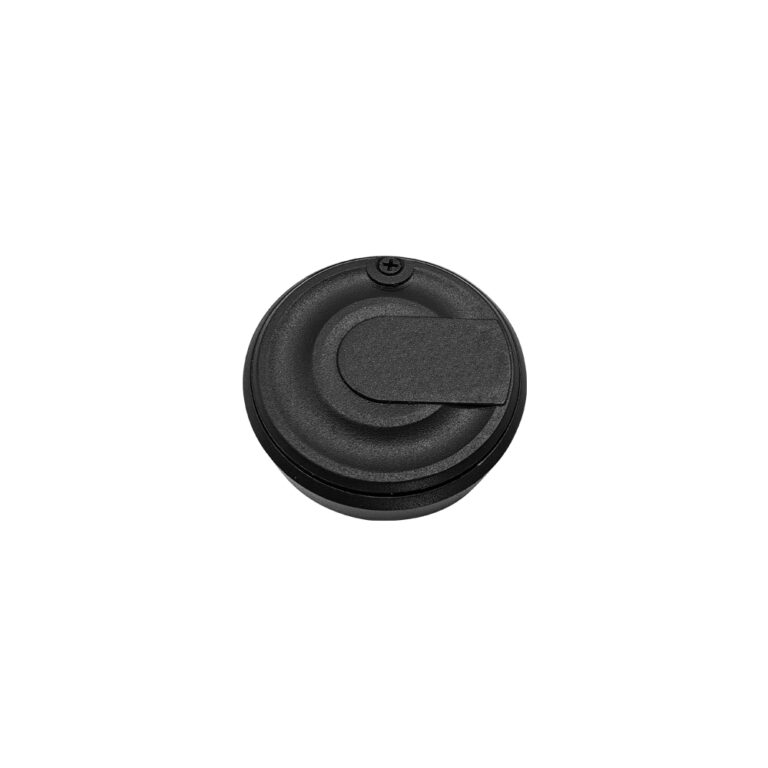
Rigid housings, adhesive mounts, and rugged enclosures change which tag fits an application. Suppliers will offer variants for metal surfaces, high temperatures, or outdoor exposure. Ask for IP and IK ratings and corrosion resistance data. If tags attach to moving machinery or oversized pallets, check shock and vibration test results; a physically robust tag can save both downtime and replacement cost.
Interoperability and standards
Confirm supported protocols and reader compatibility. Active systems sometimes use proprietary modulation or management stacks that limit reader choices. Prefer suppliers who document protocol specifics and provide SDKs or clear API references. Also confirm compliance with regional radio regulations—frequency bands differ between continents, and noncompliant deployments cause interference problems.
Costs, procurement, and common procurement mistakes
Compare unit price alongside lifetime cost: expected replacements, shipping, and required reader upgrades. Beware of three common errors: selecting a very low-cost tag without environmental testing; assuming a single prototype will scale to thousands with identical performance; and ignoring firmware update procedures for tags and readers. Please budget for a small pilot to validate assumptions before wide deployment.
Experience, evidence, and supplier credibility
I have audited deployments in both warehouse and container-tracking projects and recommend evidence over marketing. Suppliers who provide third-party lab test reports, published interoperability matrices, and clear maintenance plans are easier to trust. Industry events often surface reliable vendors; for example, RFID Journal LIVE! 2023 showed many working demonstrations of active systems in logistics that matched published ranges. It is helpful when a supplier lists clear case studies tied to regions such as Southeast Asian port operations. When you review vendor claims, check that they provide independent test logs and supplier contactability—this is why I often cross-check any promising vendor listed as rfid tag supplier before trialing hardware.
Decision checklist and final synthesis
Compare these items: measured read range under your mounting conditions, battery lifetime at your reporting interval, environmental ratings, protocol openness, and realistic total cost of ownership. Pilot small, measure reproducibly, and ask for post-sale support commitments. If you need a concise source for matched components and documented testing, I find the product and support alignment on RSTC helpful for selecting parts that behave as described in real operations.






