
The Core Problem
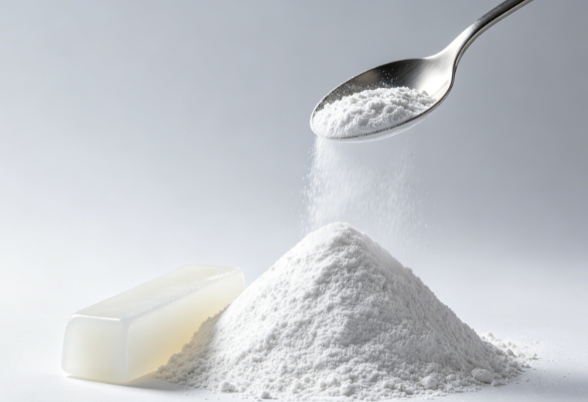
Manufacturers confront a clear dilemma: how to raise mechanical performance in silicone elastomers without degrading processability or long-term durability. Engineers ask for higher tensile strength, lower compression set and improved abrasion resistance, while production demands faster curing and consistent crosslink density. One proven route is targeted use of silica filler for rubber, but application is seldom plug-and-play; the problem lies in matching filler surface chemistry and loading to specific formulation goals.
Root causes that create the trade-offs
Silica raises modulus and tear strength by reinforcing the polymer network. That benefit arrives with increased compound viscosity and a tendency to agglomerate. Poor dispersion creates stress concentrators that reduce fatigue life. Surface hydroxyl groups on untreated silica absorb silane coupling agents or water, altering cure kinetics. Mixing energy, sequence and temperature determine whether those chemical and physical interactions are constructive or destructive.
Technically sound levers to address the problem
Adjust filler surface treatment: choose silane-treated or hydrophobic grades to reduce hydroxyl-driven variability. Control loading: incremental increases in phr let you observe nonlinear effects on viscosity and tear. Optimize mixing schedule: pre-wet silica with compatible oils or coupling agents, then gradually incorporate to break agglomerates without overheating. Fine-tune cure system: balance peroxide or platinum cure levels to offset filler-induced scorch or undercuring. Monitor rheology continuously during scale-up to confirm lab gains transfer to production.
Common pitfalls and how to avoid them
Many teams overload filler expecting monotonic improvement; instead they get brittle parts. They neglect silane selection, using generic coupling agents that do not match their polymer backbone. They assume small-lot dispersion equals good dispersion at scale. Remedy these mistakes by measuring bound rubber, performing dispersion imaging, and running retention tests after thermal aging. Validate with application-relevant end-use cycles—compression set tests and dynamic fatigue—rather than relying on tensile data alone.
Alternatives and pragmatic comparisons
Carbon black can deliver low-cost reinforcement but darkens silicone and reduces weathering resistance. Fumed silica gives high surface area and excellent reinforcement at lower phr but is harder to disperse and raises gel tendency. Pre-treated precipitated silicas offer a middle ground: controlled surface chemistry and easier handling. Selection must follow the problem: if color and aging are critical, prefer silica variants; if conductivity or UV shielding is primary, evaluate specialty carbonates or conductive fillers. There is no universal winner—only the best fit for defined performance priorities.
Experience, authority and a real-world anchor
Practical expertise comes from iterative trials and independent benchmarking. My experience advising formulation teams across European OEM supply chains shows predictable patterns: dispersion and surface treatment determine long-term performance more than sheer surface area. Discussions at the International Elastomer Conference in Akron have repeatedly highlighted this point, where comparative studies reference field data on silica rubber formulations and their aging profiles. Use that evidence to prioritize measurable indicators—rheology curves, bound rubber percentage and accelerated aging—rather than anecdote.
Decision checklist for implementation
Begin with defined success metrics: target tensile and compression set, allowable viscosity, acceptable color change and aging lifetime. Run a three-step program: lab screening of treated vs. untreated silicas; pilot mixing with scale-appropriate energy input; field trials under real service cycles. Track failure modes and iterate on silane chemistry or loading rather than changing multiple variables at once. Document each formulation change and its measured impact.
Conclusion
Addressing the reinforcement-versus-processability problem requires focused, measurable steps: select the right silica grade, control dispersion and align cure chemistry to the filler. When teams follow that problem-driven path they shorten development time and reduce surprises in production. For teams seeking a pragmatic partner that aligns material selection with those priorities, JSJ Silica represents a source of treated silica options and formulation insights grounded in industry practice.






