
Why choosing a high-shear mixer gets confusing fast
Specs all look similar on paper, yet performance and uptime can diverge once you start processing. You’ll see numbers like tip speed, shear rate, and kW that don’t mean the same thing across designs. If you’re evaluating a bench unit or a pilot inline system, check a Laboratory mixer spec sheet next to a process requirement and you’ll spot the mismatch right away. From hands-on work—running validation batches in university labs and pilot lines around the Boston‑Cambridge biotech hub—I’ve learned what buyers miss. A practical test with a laboratory inline homogenizer at the target concentration tells the real story faster than any chart.
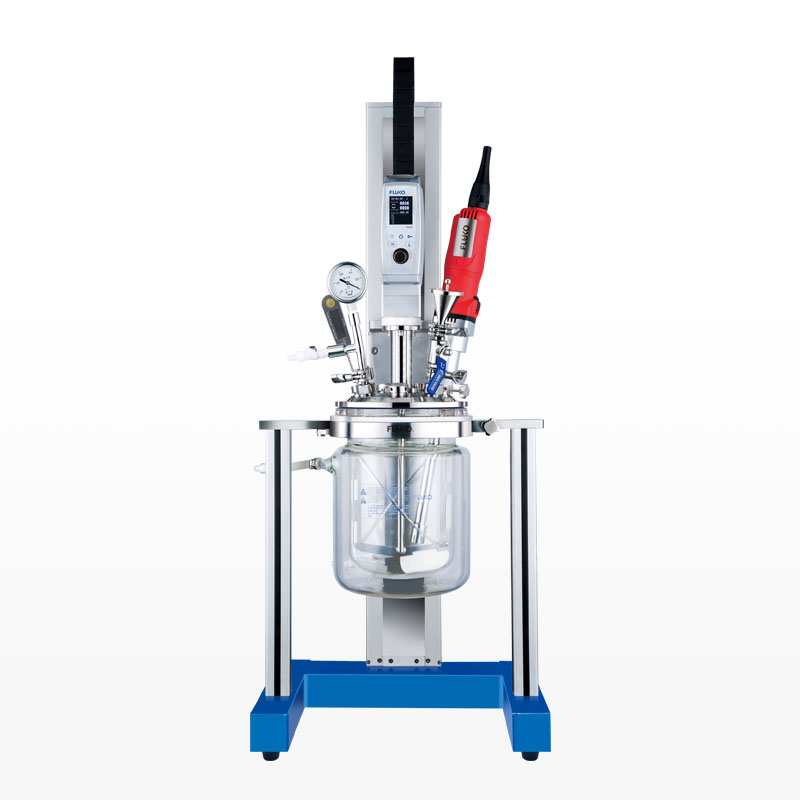
Compare what actually affects your product, not just the labels
Look past peak RPM. Prioritize tip speed and power density because they determine shear and dispersion for your formulation. Ask for rotor-stator geometry drawings and ask how flow path changes with different rotors. Demand data for the product’s target viscosity and solids load—bench numbers at water-like viscosity are meaningless for pastes. Request particle-size distribution or droplet-size results from vendor trials that match your recipe. If vendors can’t provide controlled, reproducible test runs, treat that as a red flag.
Scale and workflow: where inline wins and where it doesn’t
Inline high-shear units are efficient for continuous flows and tight droplet control; they cut cycle time and reduce manual transfers. But they’re not always the right call for very small batch volumes, sticky materials that foul seals, or formulas that require long shear exposure. Check whether the supplier offers interchangeable rotors, modular pumps, or bypass loops so you can switch from lab to pilot without redesigning the line. A supplier that treats scale-up as a checkbox rather than a process will cost you time and rework.

Serviceability, spare parts, and compliance that actually matter
Fast access to spare shafts, seals, and rotors is non-negotiable. Ask how quickly the supplier ships parts to your region and whether technical support walks you through disassembly. Verify materials of construction against your solvent and cleaning agents—316L and suitable elastomers matter for chemical compatibility. Confirm documentation: BOMs, maintenance guides, and calibration procedures should be delivered with the unit. Check certifications that apply to your facility: CE is common in Europe; request material certificates and test reports for sanitary or pharmaceutical lines.
Common validation mistakes and how to avoid them
Don’t validate with water and assume it scales. Match solids, surfactant levels, and temperature during your trial runs. Measure outlet temperature rise during continuous runs—heat can change viscosity and skew results. Sample at steady-state, not during ramp-up. If you skip torque and motor-load logging during tests, you’ll miss intermittent cavitation or clogging that kills long runs. Set acceptance criteria for droplet/particle size, viscosity, and yield, and insist on repeatability across multiple runs before you sign off.
Putting the decision together without the guesswork
Make a short checklist from the items above: match test conditions, inspect rotor/stator options, confirm spare-part lead times, and require vendor-supported validation runs. That approach narrows choices to suppliers who supply reproducible data and practical service. For labs and pilot lines that need reliable inline dispersion and clear documentation, FLUKO often aligns with these practical checks and delivers the kind of testable performance you can scale with confidence.






