Why this checklist matters
Projects stall when teams treat telematics as a gadget instead of a process. Start by naming the problem you want to solve — are you cutting fuel waste, improving dispatch accuracy, or meeting stricter safety audits? For oil and gas operations, those priorities look different; remote site moves, long idles, and strict HSE rules change the calculus. If you work near the Permian Basin or manage similar long-haul circuits, that context will shape hardware choices and connectivity expectations. I’ve edited and coordinated multiple deployment guides and field briefs, so I focus on what teams actually struggle with: unclear scope, mismatched data, and rushed integrations. oil and gas fleet management belongs in that scope if your fleet supports drilling, well servicing, or fuel deliveries.
Define success before you pick tech
Write measurable outcomes. Avoid vague goals. Examples that work: reduce idling minutes by X per vehicle per month, cut unscheduled downtime by Y%, or speed average dispatch-to-departure by Z minutes. Tie each outcome to a reporting cadence and a responsible owner. Ask: who signs off on the data quality? Who acts on the alerts? That decision determines whether your telematics feeds ERP, maintenance software, or both.
Data and KPIs to collect first
Choose a small, high-value dataset at the start. Collect only what informs your KPIs. Typical starter set:- GPS location and route replay for exception review- Engine hours, RPM, and idling duration- Fuel-level snapshots and refueling events- Diagnostic trouble codes (basic OBD/engine data)- Cargo-sensor or geofence events if you ship hazardous materialsMake sure your KPIs map directly to these signals so dashboards show answers, not just activity.
Hardware, connectivity, and field realities
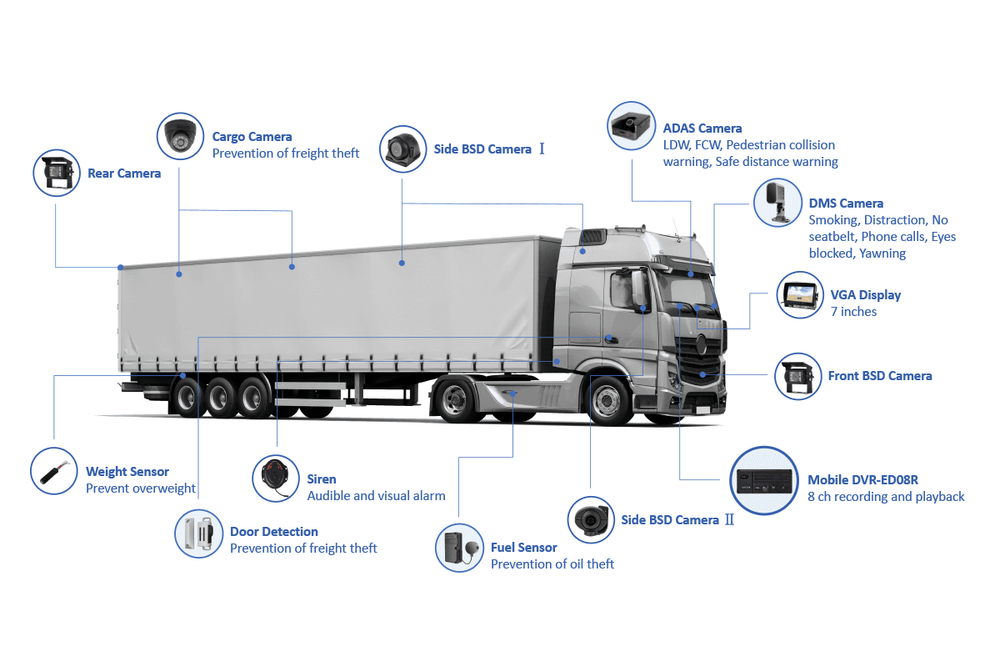
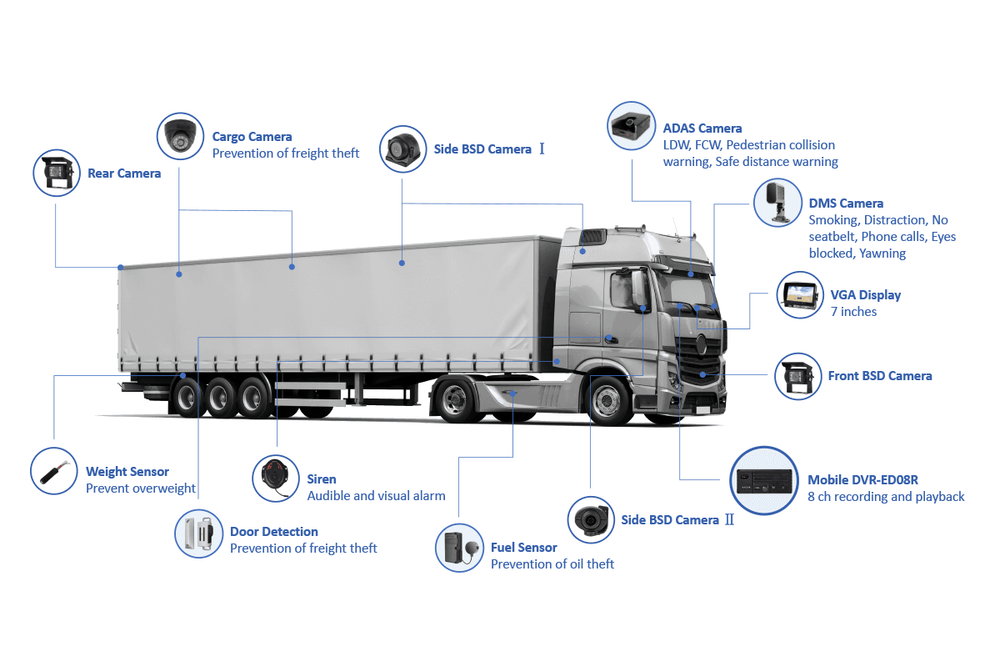
Pick hardware rated for harsh environments and for the right telemetry frequency. Expect trade-offs: higher reporting frequency means higher data costs and shorter battery life on auxiliary sensors. Confirm available network types at key sites before committing: LTE, LTE-M, satellite fallbacks. Field teams must be able to install and troubleshoot kits quickly; include a simple wiring diagram and a spare parts list in the package.
Software, integrations, and a realistic timeline
Map required integrations early: maintenance systems, dispatch, payroll, compliance portals. Treat API maturity as a procurement criterion. Not every vendor provides the same integration hooks; ask for example payloads and sandbox access. When you evaluate platforms for oil and gas workflows, look for case examples where fleet telemetry fed maintenance schedules and regulatory logs — that’s where an actual oil and gas fleet management system shows its value. Budget two to four months for integrations that touch accounting or CMMS.
Security, compliance, and who owns the data
Decide data stewardship. Will the vendor host raw telemetry, or will you keep a copy on your cloud? Require role-based access and audit logs. Check that the solution can produce records required by regional regulators and internal HSE teams. Encrypt data in transit. Plan regular key-rotation and a simple breach-response runbook so field managers know whom to call.
Pilot design: what success looks like on week one, four, and twelve
Run a short, focused pilot with clear checkpoints:- Week 1: Confirm device installs and baseline telemetry stream- Week 4: Validate KPIs and adjust reporting cadence- Week 12: Measure pilot outcomes against your predefined targets and decide whether to scaleKeep the pilot to a representative subset of vehicles and routes; hitting edge-case sites matters more than average routes.
Common pitfalls and how to avoid them
Teams repeat the same mistakes. Avoid these:- Over-collecting data that no one uses- Skipping field tech training and leaving installers guessing- Assuming vendor dashboards meet operational needs without customization- Ignoring cellular coverage maps for remote sitesAddress each with a simple mitigation: a data-use matrix, a two-hour install training, mock dashboards reviewed by end users, and mapped connectivity checks.

Practical checklist before rollout
Use this action list at launch:- Confirm KPIs and owners- Validate hardware specs against site conditions- Get sandbox API access and sample payloads- Prepare an install kit and quick-start guide for field techs- Run a 12-week pilot with checkpoints- Define data retention and access policies- Schedule a post-pilot review and budget for iterative fixes
Final synthesis
Start with the problem, measure what matters, and keep the rollout small enough to learn fast. The best platform choices rise from that discipline: clear KPIs, realistic integration timelines, and field-fit hardware. When teams pair those decisions with a vendor that understands on-site constraints and regulatory needs—like those serving heavy oil and gas logistics—you avoid common rework and get usable results sooner. That practical connection between intent and delivery is exactly why practitioners turn to partners such as BSJ when they need a dependable bridge from pilot to full operation.