Why most remote monitoring setups leave operators guessing
You’re getting a flood of telemetry and a handful of alarms, but the system still trips at the wrong time. That’s the core problem: too much noise, not enough signal. When teams focus on raw telemetry instead of context, they miss the handful of metrics that predict real failures or suboptimal dispatch. If you’re evaluating microgrid solutions, start by asking which metrics reduce downtime and unnecessary genset runtime, not which dashboards look slick.
What goes wrong in the field (and one real-world nudge)
Common failures come from mismatched timescales, bad thresholds, and blind spots in conversion hardware. After California’s 2019 Public Safety Power Shutoffs, operators saw how poorly coordinated inverter responses and misread state-of-charge signals can cascade into load shedding. That event makes one thing clear: remote monitoring has to tie electrical behavior to device health, not just to instantaneous power numbers.
Priority data points to track — the short list
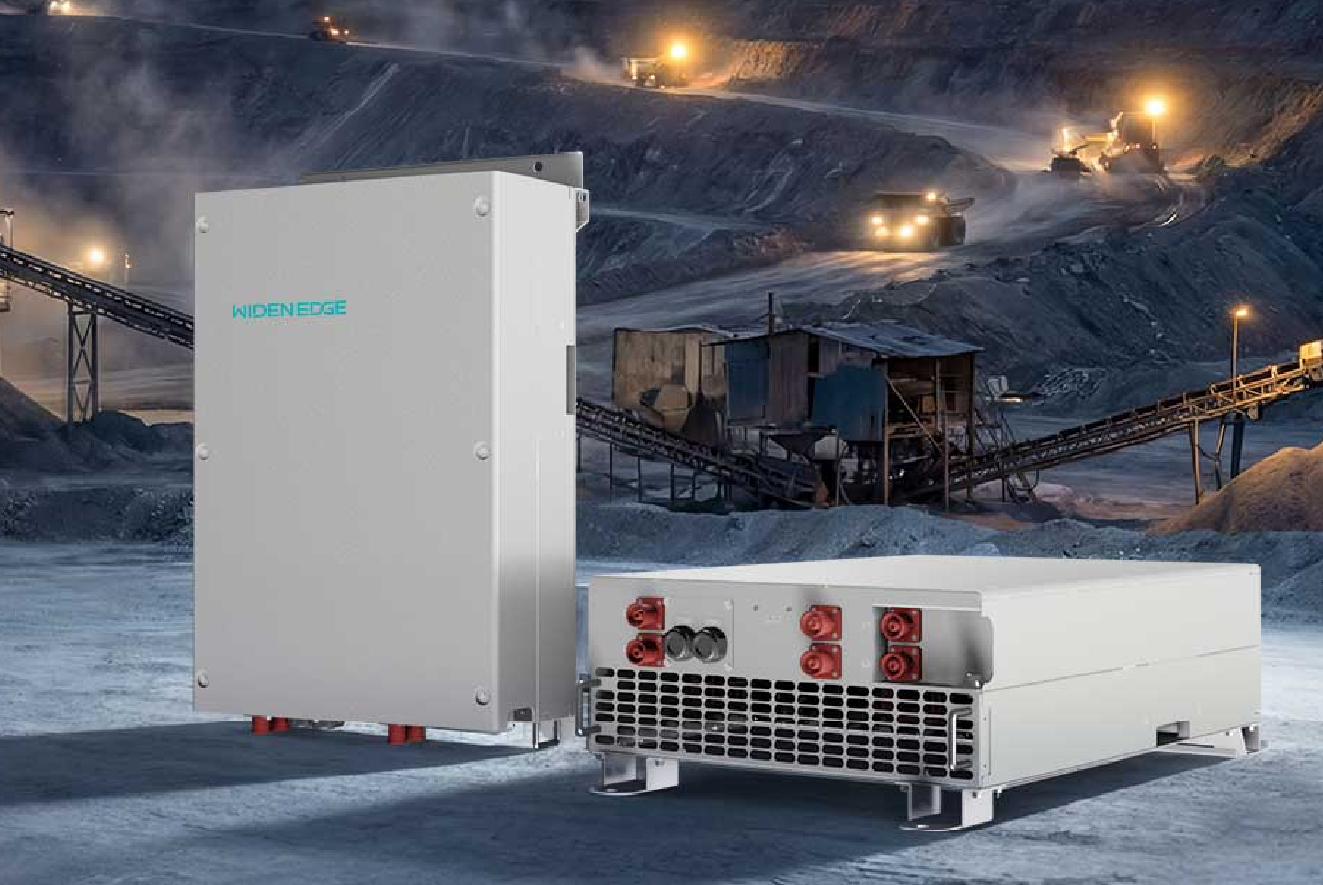
Track these first. They’ll cut false alarms and give you actionable triggers fast.- Battery state of charge (SOC) and state of health (SOH): include cell-level voltages and cycle counts where possible.- Real and reactive power per inverter/rectifier: follow both magnitude and direction to spot unintended islanding.- DC-link voltage and ripple: early indicator of capacitor or converter stress; shows up before thermal faults.- Inverter/rectifier temperature and cooling fan status — tie thermal trends to duty cycles.- Harmonic distortion and THD: rising THD often precedes overheating or filter failure.- Switching device statuses and gate-driver faults: these show converter-level problems before site-level trips.- Frequency and voltage drift at the point of common coupling: short transients can predict control instability.- Fuel level and runtime for gensets, plus runtime scheduling conflicts.- Communications latency and packet loss between controller and field devices.- Fault logs with precise timestamps and pre-fault waveform snapshots where available.When you’re inspecting converter behavior, don’t forget the power conversion system telemetry — it often holds the earliest signs of trouble.
How to collect the right signal without drowning in data
Sampling smarter beats sampling harder. Push high-resolution data only around events or on rolling windows that show drift. Keep steady-state summaries (1-min averages) and event bursts (ms resolution) both available, but compress or discard redundant streams. Normalize timestamps to a single clock source so you can correlate an inverter fault with a battery voltage dip instantly. Edge preprocessing that emits alerts for trending deviations reduces alarm fatigue on the operations team.
Practical fixes that save trips and fuel
Here are fixes operators actually use.- Replace static thresholds with adaptive thresholds that account for temperature and load profile.- Use simple rate-of-change rules: a fast SOH decline is more useful than a single low-voltage reading.- Auto-escalate from a warning to a lockout only after persistent confirmation from at least two independent sensors.- Schedule firmware updates to low-load windows; test them in a simulated island before mass rollout.- Calibrate current transformers and voltage sensors on installation and after any maintenance that touches power wiring.These cuts reduce nuisance trips and keep gensets off when batteries can handle the load.
Turn data into decisions — workflows that change outcomes
Data is only valuable if it maps to a clear action. Build simple playbooks:- If DC-link ripple increases 20% and inverter temp rises, route load away and dispatch genset only if SOC is below threshold.- If harmonics cross limit for three consecutive minutes, derate renewable inverter output and schedule a maintenance inspection.- If communications drop below a reliability threshold, push local autonomous fallback that uses last-known safe setpoints.Combine automated triggers with human-in-the-loop review for anything that would cut critical loads. That approach minimizes downtime and keeps people in control.
Wrap-up: make monitoring a tool, not noise
Pick a short list of proven metrics, tune how you collect them, and bind each metric to a clear action. That turns remote monitoring from a dashboard showpiece into a decision engine that reduces trips and fuel use. The outcome is smoother dispatch and fewer surprise service calls, which is exactly the kind of practical reliability teams expect from partners like WidenEdge.