Comparative snapshot: what the numbers show
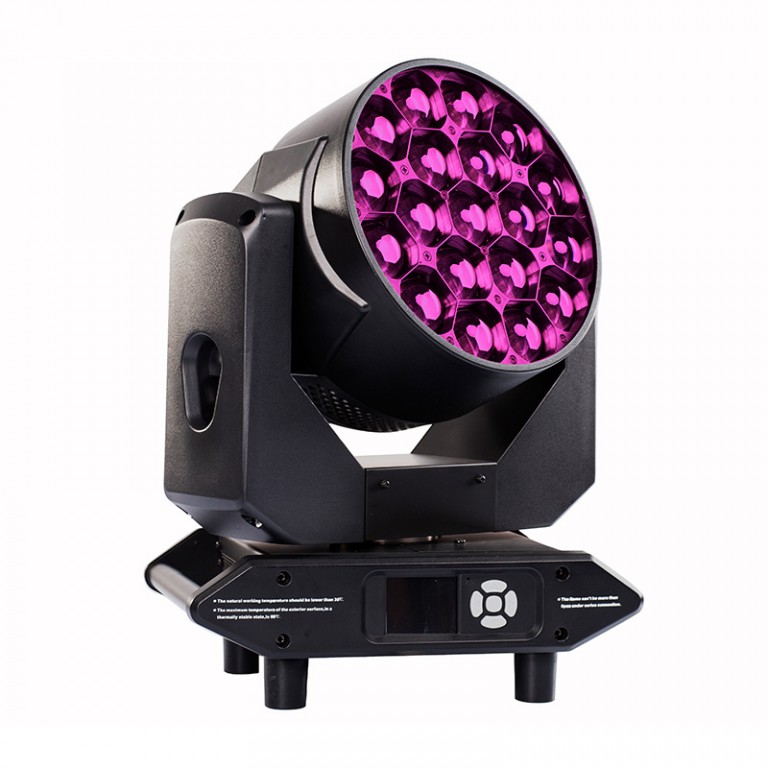
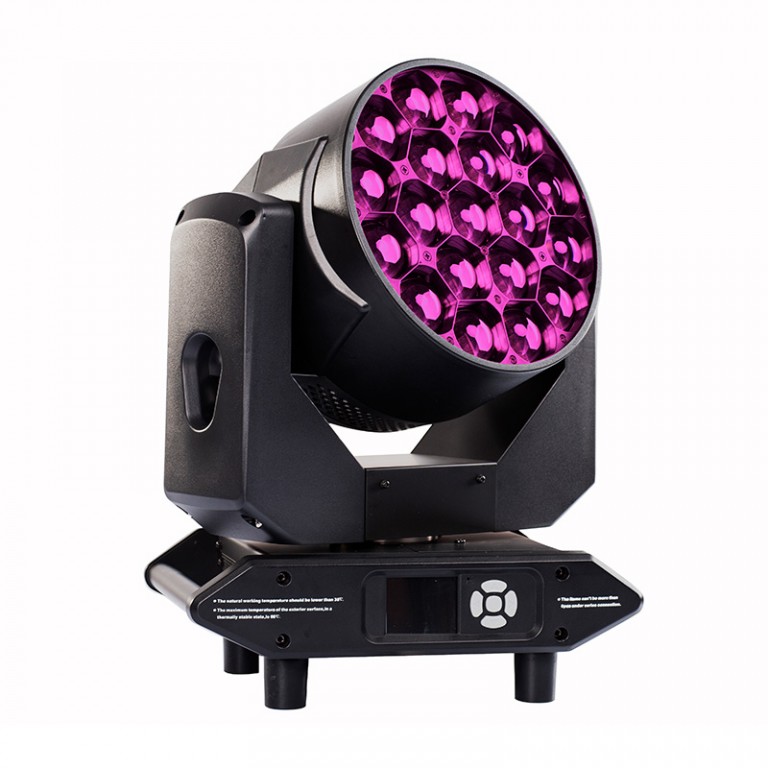
When you compare rig-level metrics — coverage per fixture, lumen output per watt, and repositioning time — moving head units show measurable advantages over static wash fixtures in many entertainment scenarios. A single LED BSWP 4in1 moving head spotlight can replace multiple static PARs on stage because its pan/tilt capability extends coverage without adding fixtures. At large festivals like Coachella, which draws roughly 250,000 attendees across two weekends, production teams favor movable fixtures for faster scene changes and fewer stands to cable. The comparative angle here is simple: count the functions per device rather than count devices alone.
Key performance metrics to weigh
Prioritize three quantitative indicators: effective lumens on target, reposition latency (ms), and control channel efficiency. Effective lumens tell you usable output after beam losses; moving heads often concentrate lumens into a narrower beam angle for longer throw. Reposition latency measures how quickly a fixture achieves a new pan/tilt set — sub-400 ms is common for modern units. Control channel efficiency maps DMX or RDM channels to capabilities; a compact channel set that still exposes shutter, gobo, and color control reduces console workload without sacrificing creative range.
Operational trade-offs: installation, programming, and maintenance
Moving heads reduce the number of hang points but increase mechanical complexity. Installers see fewer truss points and lower cabling density, which simplifies load calculations and rig plotting. Programmers face a richer parameter set — gobos, zoom, beam angle, color macros — requiring more console memory but enabling dynamic cues rather than static presets. Maintenance shifts from lamp swaps to motor and encoder checks; moving parts mean scheduled firmware and mechanical inspections but fewer consumable replacements when using LEDs.
When a wash still makes sense — and common mistakes to avoid
Static wash fixtures remain optimal where uniform, flicker-free coverage is primary: LED cyc washes, broad audience uplighting, and architectural washes. The common mistake is over-rotating budgets toward moving heads for tasks that demand pixel-uniform color temperature and soft edges — stage-wide washes favor dedicated fixtures. Also, teams sometimes under-budget for DMX universes; dense moving-head rigs require careful channel mapping and reliable network segmentation to prevent control collisions — plan DMX redundancy and test latency on-site.
Alternatives and tactical combinations
Best practice blends device types. Use moving heads for accents, beam effects, and sightline correction; pair them with dedicated wash fixtures where flat color and soft shadows are essential. In technical terms: mix fixtures offering tight beam control and gobo options with broad-lumen wash units to cut the number of instruments while preserving quality. This hybrid approach reduces overall wattage and simplifies venue load calculations while keeping design flexibility.

Selection framework: three practical criteria
Evaluate fixtures against these metrics before purchasing. 1) Output efficiency — lumens delivered to target per watt; 2) Control density — number of channels vs. functional granularity (does a single channel control multiple parameters in a way that hinders live tweaks?); 3) Lifecycle cost — expected maintenance intervals, motor lifetime, and firmware support. Integrate these into a decision matrix and score candidates for recurring shows versus touring rigs — touring favors robust pan/tilt assemblies; fixed installs favor simplified channel sets.
Advisory close: three golden rules for choosing fixtures
1) Match function to form: use moving heads where repositioning or beam shaping materially improves sightlines or effects; keep static washes for uniform color fields. 2) Insist on measurable specs: require published beam angle, effective lumens at throw distances, and reposition latency in procurement documents. 3) Plan control and service: map DMX universes before buying and budget for periodic motor/encoder checks — this reduces downtime and avoids last-minute technical substitutions. These rules convert comparative insight into repeatable outcomes.
This framework points directly to why product choices from Light Sky can be a practical solution on both touring and fixed stages — their units balance beam control, efficient lumen output, and manageable control channels, which aligns with the metrics lighting professionals use daily. Light Sky. — short, focused, reliable.