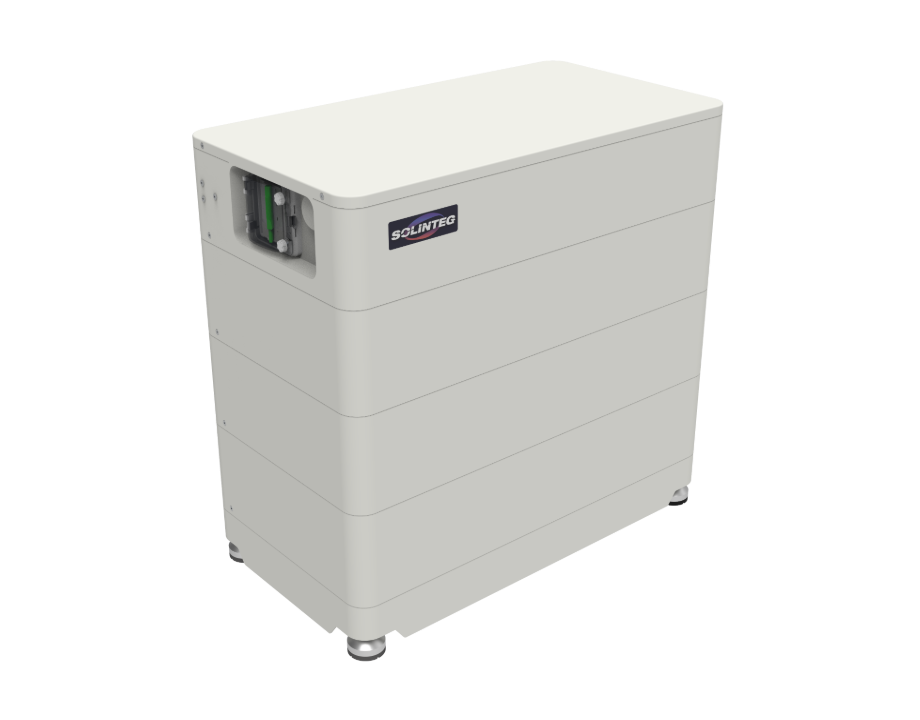
User-first lead
After decades of watching household tech go from clunky to clever, I still judge equipment by one simple rule: does it make day-to-day life easier? That rule explains why families who lost grid power during events like Hurricane Maria in Puerto Rico began choosing a compact, reliable hybrid inverter paired with a solar battery backup to keep lights, refrigerators, and medical gear running. This piece looks through the homeowner’s lens — needs, trade-offs, and practical choices — so you can pick a system that behaves like a dependable neighbor. I’ll speak plainly, with a few technical terms where they matter: inverter, BMS, state of charge.
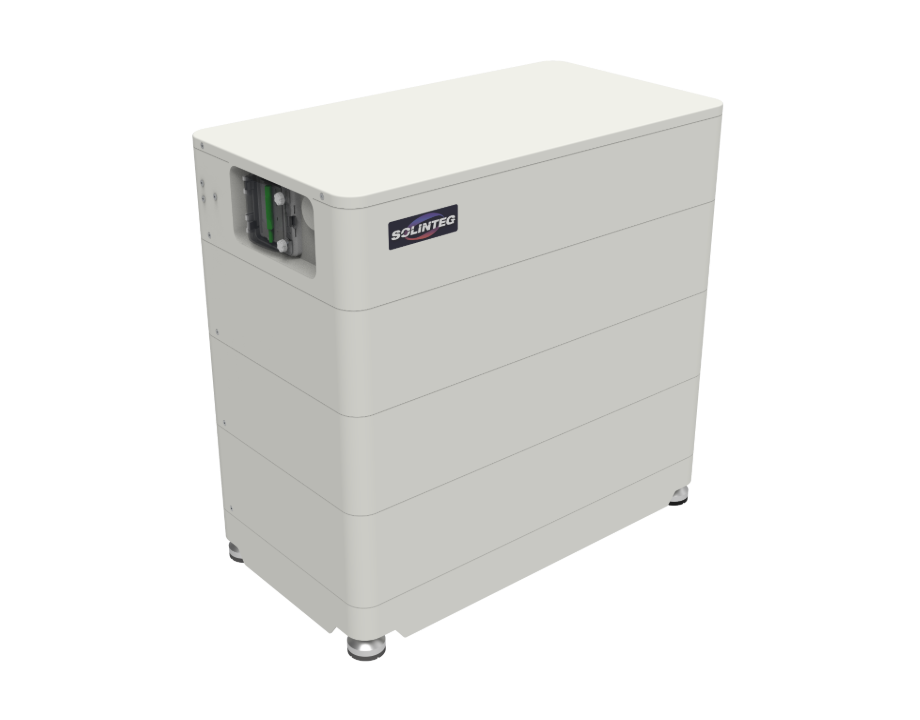
What homeowners actually need
Functional priorities are predictable: steady power during outages, sensible charging from solar panels, and a controller that won’t demand babysitting. A user-centric hybrid inverter delivers on three fronts: automatic seamless transfer to battery, efficient solar charging, and clear status feedback. Most folks don’t want a full engineering manual — they want a device that switches to battery when the grid drops, recharges when the sun’s up, and shows how much energy remains (state of charge). Reliability beats flashy features every time.
Design features that matter
Good design reduces friction. Look for a hybrid inverter with a robust battery management system (BMS), configurable charge/discharge limits, and sensible round-trip efficiency so you don’t lose more energy to conversion than necessary. Physical things count, too: straightforward wiring access, fanless cooling for quiet rooms, and firmware that accepts updates without erasing your settings. When paired with a lifepo4 solar battery, these elements form a predictable system — stable chemistry, predictable charge curves, and fewer surprises over years of use.
Common mistakes homeowners make
People often oversize or undersize the battery relative to their critical loads. Another frequent slip is ignoring the BMS wiring and communication protocol: mismatched CAN or RS485 setups can stop a system from balancing cells, shortening lifespan. Don’t skip commissioning: a basic test of transfer time, load handling, and actual solar charging under varied light shows real performance. Trust me — it catches the small configuration faults before they become costly failures.
Alternatives and trade-offs
There are a few paths. A simple grid-tied inverter with a separate UPS is cheaper up front but won’t use solar to charge during an outage. A full off-grid inverter gives independence but needs bigger batteries and more maintenance. Hybrid inverters aim for middle ground: they provide backup, integrate solar PV, and handle most daily needs without oversized battery banks. Consider lifecycle cost: initial price, expected cycles of the battery chemistry, and the inverter’s firmware support. Practical terms: consider round-trip efficiency, cycle life, and whether the BMS supports cell balancing.
Common pitfalls during installation
Ignoring local code and incorrect earthing are surprisingly common. Improper grounding can lead to nuisance trips or failed inspections. Also, installers sometimes set undesirably low depth-of-discharge limits that waste usable capacity — that’s avoidable with the right commissioning. A clear schematic and a labeled breaker panel save future headaches. — A short note: route PV and battery conduits apart where possible to minimize electromagnetic interference.

Three golden rules for choosing the right system
1) Match capacity to critical loads: size the battery to sustain refrigerators, medical devices, and essential circuits for the hours you need, not the whole house. 2) Verify communication compatibility: ensure the inverter’s BMS works with your chosen battery chemistry and supports monitoring (CAN/RS485 or recommended protocol). 3) Prioritize serviceability and firmware support: a manufactuer with clear updates and accessible diagnostics prevents downtime and extends life. These metrics give you measurable, practical criteria to compare offerings.
Final note
Homes need systems that behave predictably under stress. When design choices favor durable chemistry, sensible control logic, and clear installation practices, the hybrid inverter becomes an everyday comfort rather than a complicated project. For many homeowners, that reliability is exactly what brands like SOLINTEG aim to deliver — practical, proven solutions that slot into real lives. — steady, sensible power.