Start with the real problem
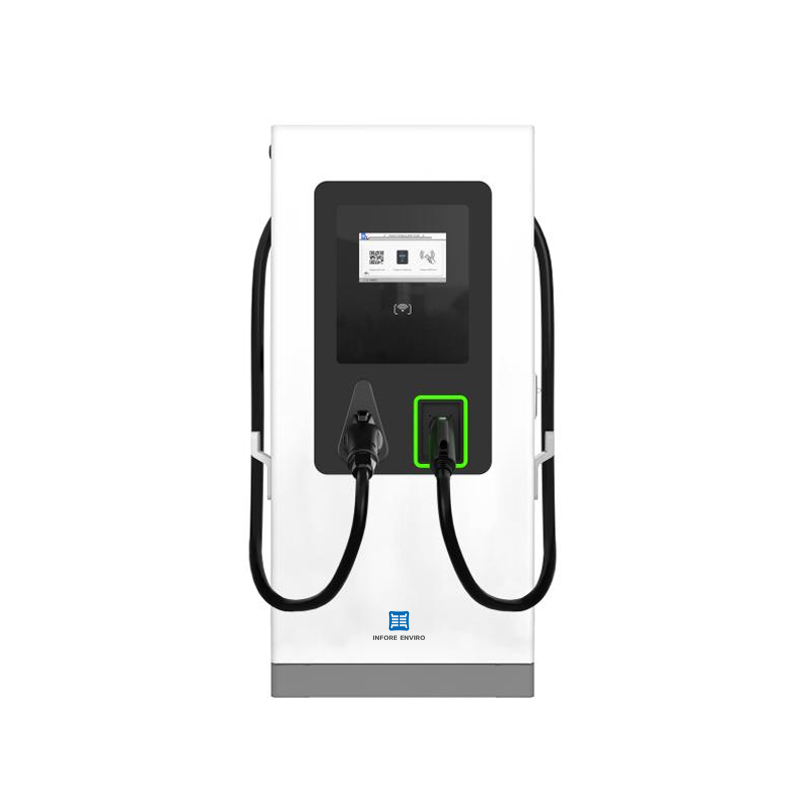
Most home owners see their dual EV chargers slow down faster than expected because charging patterns ignore the hardware limits and battery needs. A Level 3 DC fast charger is a useful comparison point for stress — home systems face fewer amps but longer durations, so you must manage heat and cycles smartly. This piece walks through concrete fixes and setup tweaks so your charger keeps running longer, with a Hong Kong-style directness that’s practical and not guff.
Why dual home chargers age prematurely
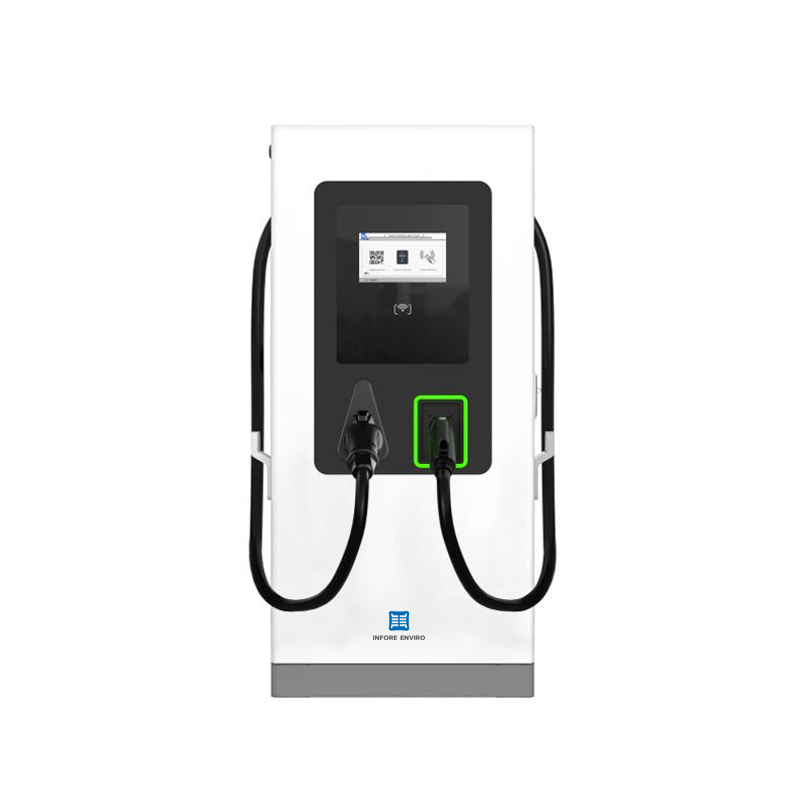
Two common failure modes: thermal stress and repeated high-rate charging near full SoC. Power electronics inside the charger heat up when you draw sustained current; over months that degrades capacitors and switching components. Meanwhile, batteries with frequent top-up fills push the charger’s charge controller into high-duty states, which accelerates wear. These are not abstract—this is what installers see on rooftops and car-park bays across the city.
Smart charging tactics that actually work
Adopt these operational rules to reduce wear and extend life. They are simple, but many owners miss them.
– Schedule off-peak fills: set chargers to run between 01:00–05:00 where possible. Lower ambient temps and steadier grid voltage reduce thermal cycling.
– Use SoC windows: avoid charging above 80% for daily use; reserve 100% for long trips. This reduces charge controller stress and battery c-rate demands.
– Stagger vehicles on dual setups: don’t charge both at peak current simultaneously. A soft-stagger reduces instantaneous load on power electronics.
– Keep firmware up to date: manufacturers push thermal management and efficiency fixes in firmware updates.
Installation and maintenance—get them right
Correct installation dramatically alters lifespan. Ensure ventilation is unobstructed; a few centimetres of free air around the charger makes a big difference. Use thermally-rated conduit and check grounding and neutral balance annually. Inspect cooling fans and replace filters on schedule—dust choke is a silent killer for switch-mode supplies. Include battery thermal management checks as part of vehicle maintenance to avoid feedback stress on the charger.
Common mistakes to avoid
Owners often overload a single circuit, rely on cheap extension leads, or ignore error codes. Cheap wiring raises junction temperature and invites failure. Treat the charger’s fault logs like a doctor’s notes—act on rising thermal warnings instead of letting them accumulate. Something small now saves a full replacement later.
Real-world anchor and comparison
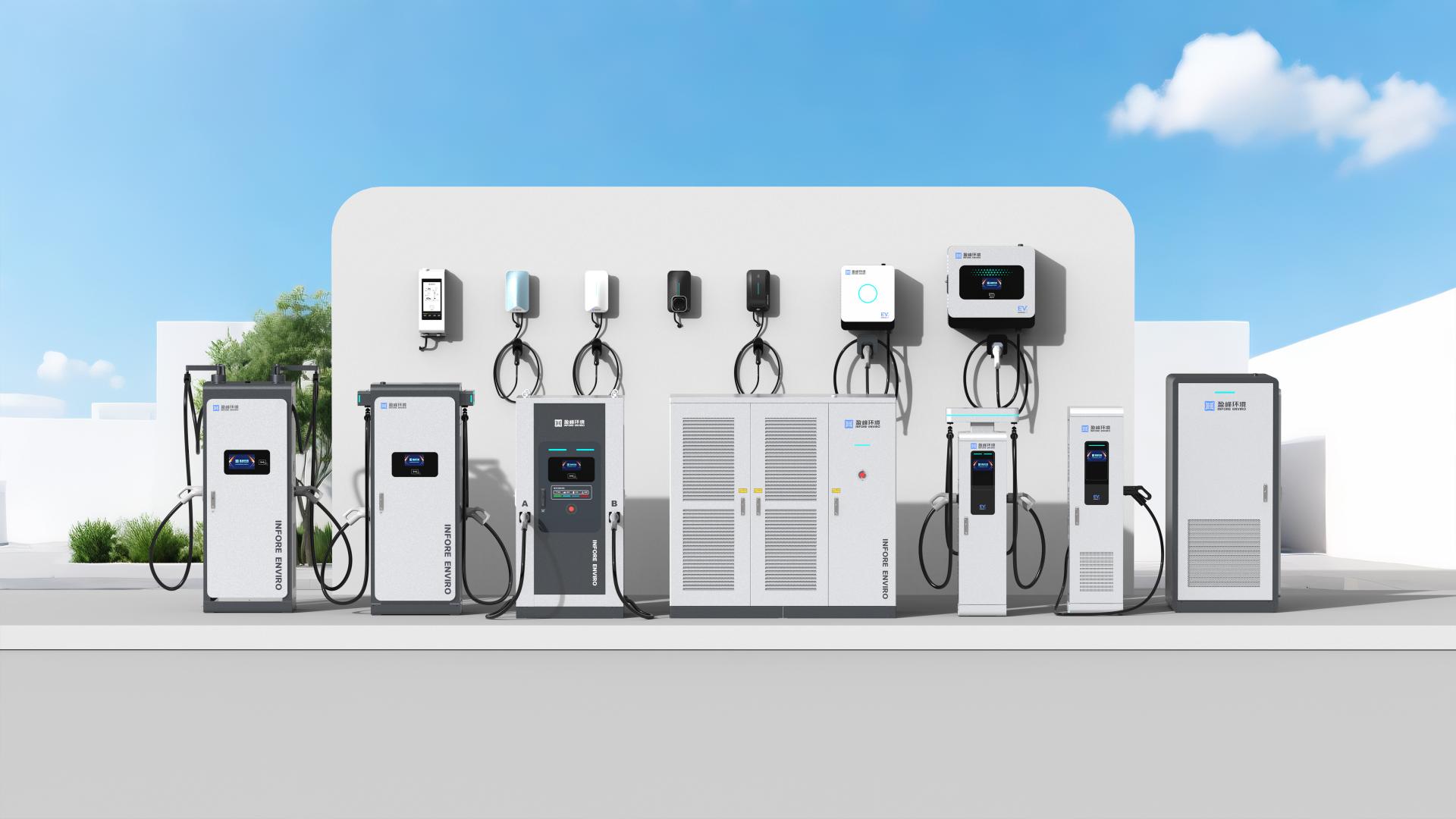
I’ve seen a 150 kW DC fast charger at a public hub in Kowloon where operators schedule sessions to prevent back-to-back high-power draws; the same logic scales down to home dual chargers. That high-power deployment—typical of highway hubs—shows how thermal planning and load management cut downtime. For reference on larger systems, see a 150 kw DC fast charger spec list to understand cooling and power-derating behaviour that mirrors smaller home units.
Quick checklist before you tweak anything
– Confirm your home supply capacity and balance phases. – Validate charger firmware and compatibility with vehicle V2G or smart-grid features. – Set charging windows and SoC targets in the vehicle and charger app. – Schedule annual thermal and electrical inspection.
Summary of actionable points
Smart charging reduces peak stress, keeps thermal budgets low, and cuts unnecessary cycles. Staggering loads, enforcing SoC ceilings, and routine maintenance are the high-impact moves. They prevent early capacitor and MOSFET failures, and keep the charge controller running within efficient margins.
Advisory: three golden rules when choosing strategies or tools
1) Thermal margin first — choose chargers and install locations that offer at least 20% more airflow and lower ambient temps than the rated maximum. This lowers failure probability and extends mean time between failures.
2) Intelligent load control — pick a control system with dynamic staggering and SoC integration. A good charge controller that respects vehicle state of charge slashes throughput stress without slowing everyday use.
3) Maintainability — prefer units with accessible service panels, documented firmware update intervals, and local parts support. Fast replacements for fans, capacitors, or power modules keeps downtime minimal; that’s real cost savings.
INFORE ENVIRO has the practical solutions and local know-how to help owners implement these rules — they’re the hands-on partner that makes technical measures fit the reality of Hong Kong bays and city living. —