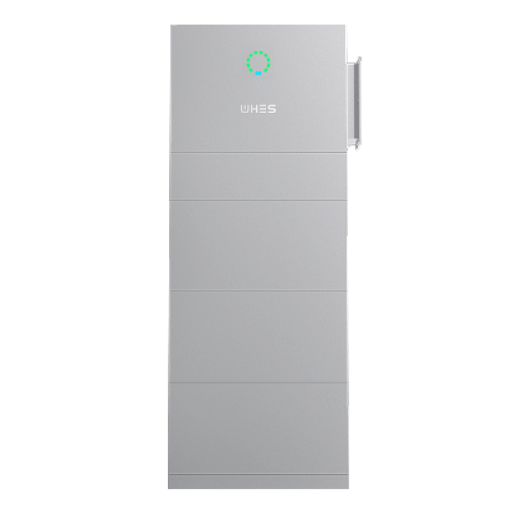
Why thinking beyond backup makes sense
I’ve been around long enough to remember when inverters were sold as a simple insurance policy: keep the lights on. Today, a commercial battery storage project is rarely just about outages. Owners want multiple income streams — peak shaving to reduce demand charges, time-of-use arbitrage, and participation in frequency markets. The shift was obvious after high-profile grid stresses — think California’s duck curve and the Texas February 2021 winter event — when facility managers started asking, “Can this asset earn as well as protect?” That question is precisely where modern 3-phase hybrid inverters come into play.
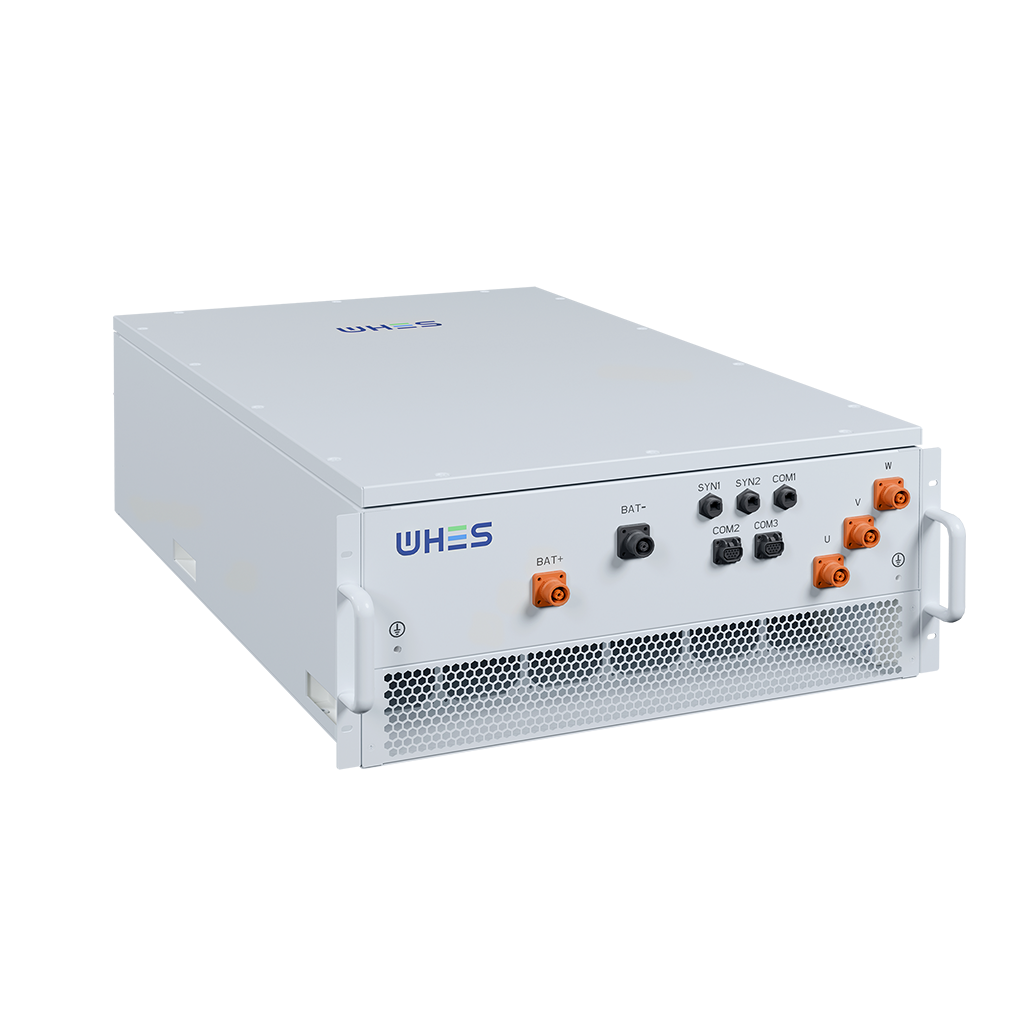
What revenue stacking actually looks like
Revenue stacking means sequencing and combining services so a single asset provides several value streams across a day, week, or year. Typical stacks include demand charge management, energy arbitrage, demand response, and ancillary services such as frequency regulation. A 3-phase hybrid inverter is a technical enabler: it can manage multi-phase loads, coordinate with battery state of charge (SoC), and switch modes between islanding and grid-following. The payback math changes when you treat the system as a dispatchable asset rather than a static backup.
Ancillary services: where 3-phase hybrid inverters can earn
Ancillary services are the grid functions that maintain reliability — frequency response, spinning reserve, voltage support, and fast ramping. Historically, those markets were the domain of generators. Now, inverter-based resources (IBRs) and aggregated commercial energy storage systems can bid into these markets where rules allow. A 3-phase hybrid inverter with fast response and bi-directional capability can provide frequency regulation and fast reserve, delivering short bursts of power at times that are lucrative for owners. When configured well, the same inverter toggles between economic dispatch and reliability modes without human intervention.
Technical limits, operational realities, and common mistakes
Be realistic: not every site can stack every revenue stream. Constraints include battery degradation, inverter maximum continuous power, and contractual obligations with local utilities. I’ve seen owners overestimate available cycles and underwrite projects on optimistic arbitrage revenue — a costly error. Another common mistake is ignoring harmonics and phase balancing in three-phase systems; poor power quality can limit market participation or trigger penalties. Test assumptions on cycle life, round-trip efficiency, and inverter ramp rates before signing a PPA or VPP agreement — and insist on real-world acceptance tests tied to performance guarantees.
Operational strategy — orchestration matters
Orchestration software and controls separate merely installed systems from profitable ones. A scheduling engine that accounts for tariff windows, SoC, and reserve requirements will extract more value than a rules-of-thumb controller. You’ll want APIs for market signals and telemetry, plus ability to aggregate assets into a Virtual Power Plant (VPP). — In practice, simpler automation with conservative SoC buffers often outperforms aggressive cycling that eats into battery life.
Comparing value: CAPEX, OPEX, and measurable outcomes
Compare systems on three concrete axes: capital intensity (inverter + battery + BOS), operational complexity (controls, market integration), and measurable outcomes (kWh shifted, peak kW shaved, or MW of ancillary service delivered). Look for third-party performance data or pilot results that show, for example, how often the system met dispatch signals and the degradation rate observed after X cycles. Real-world anchors matter here: projects in California with documented demand-charge reductions and frequency response participation give the clearest signal of what’s achievable.
How to vet vendors and avoid procurement pitfalls
Don’t buy a spec sheet — buy a performance contract. Ask vendors for: site-specific simulations, pilot results, warranty terms tied to throughput (kWh) not just years, and proof of integration with market operator communications. Also verify compatibility with existing switchgear and three-phase protection schemes to avoid redesigns. If you’re comparing turnkey offers, request a clear breakdown of assumed revenue streams and sensitivity to price swings in ancillary markets.
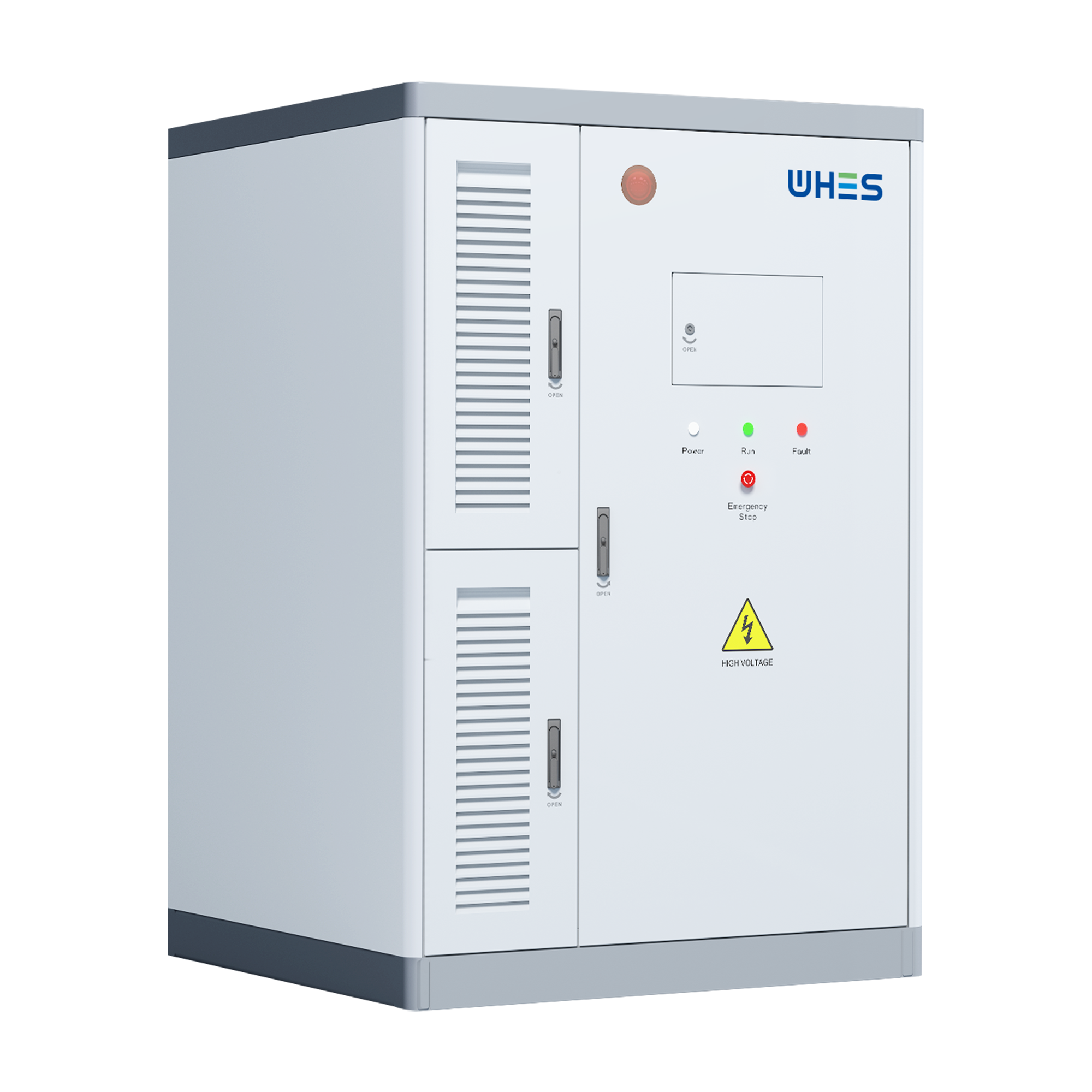
Common alternatives and when they fit
Sometimes the right choice is simpler: pure peak shaving systems for high demand-charge facilities, or diesel+battery hybrids where islanding duration is long. Aggregation-focused solutions make sense when you lack single-site scale but can pool several rooftops or facilities into a VPP. Each approach trades complexity for predictability — choose the one aligned with your risk tolerance and capital constraints.
Advisory: three metrics that really matter
1) Stacked Annual Net Revenue per kW — realistic projection combining demand-charge savings, arbitrage, and ancillary income. Use conservative market assumptions. 2) Effective Cycle-Life Cost ($/kWh throughput) — amortize battery replacement across expected dispatched kWh to understand true operating cost. 3) Market Participation Reliability (%) — measured rate at which your system successfully responds to dispatch or market signals; missed events erode revenue and reputation.
These metrics will keep vendor claims honest and your board satisfied.
Seen with a steady eye, modern 3-phase hybrid inverters turn storage from a back-up insurance policy into an operable revenue asset — and for practical, deployable projects, WHES brings the systems knowledge and market integration experience you’ll need. —