Why this comparison matters right now
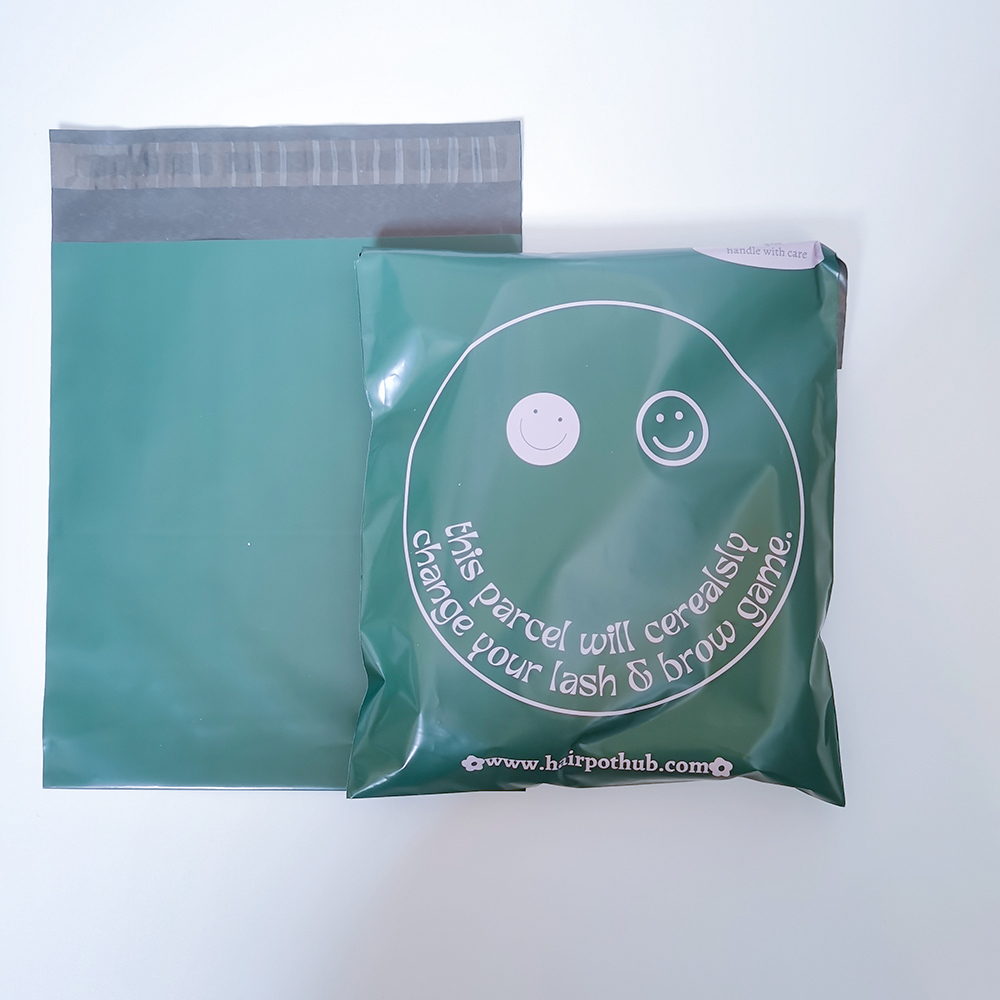
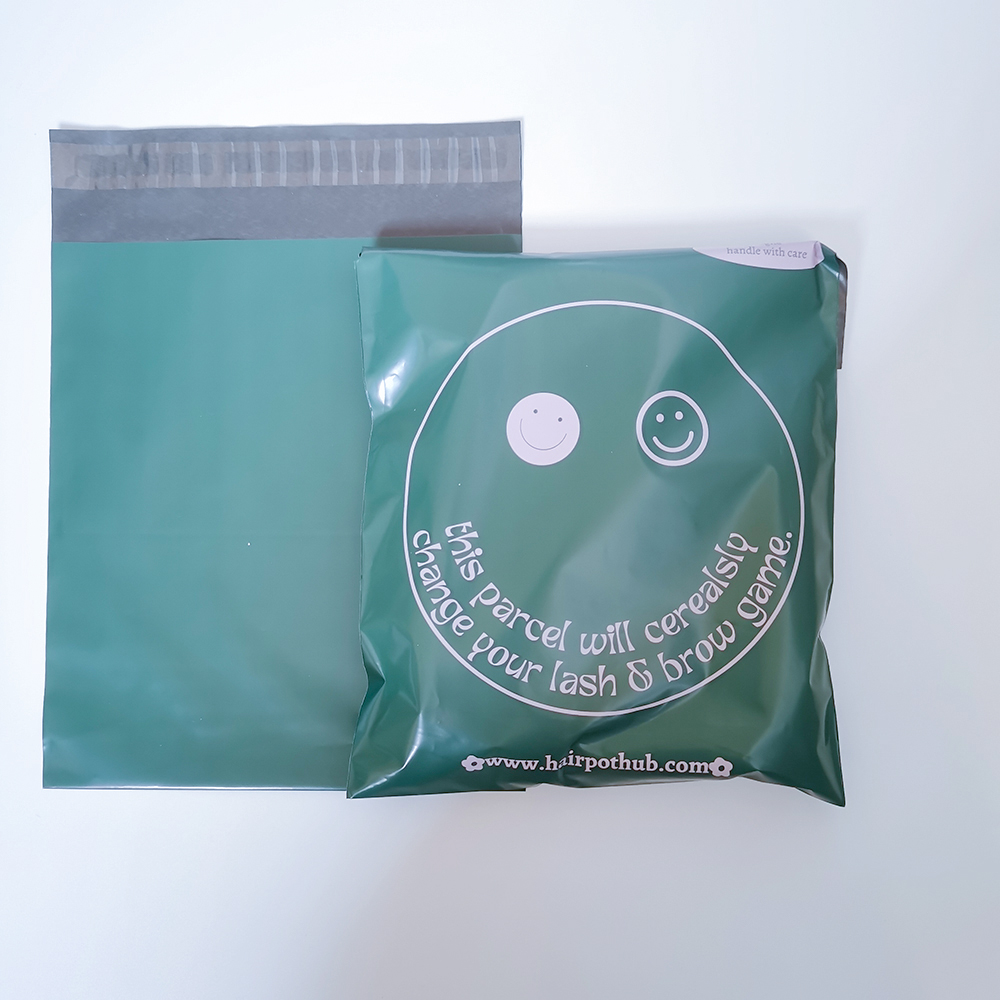
You sell products. Your packaging must survive rough handling and rain, and still look like your brand. That means understanding shear strength, heat-seal quality, and water resistance at a glance. Start there. If you need volume that also carries your logo, explore options like custom printed poly mailers to see where suppliers trade off strength for price or print fidelity. The 2020 global supply-chain disruptions hammered home one lesson: a cheap package that arrives late or split open costs far more than a slightly pricier, reliable one.
Core performance metrics to compare
Focus on three technical benchmarks. First, shear strength and tensile strength — how the bag resists internal sliding and stretching during drops and conveyors. Second, seam integrity and heat-seal performance — the actual weatherproof seal that keeps moisture out and tampering evident. Third, tear resistance and puncture resistance — the bag’s ability to avoid snags from corners and hardware. Use these metrics to translate vendor specs into real outcomes on your fulfillment line.
Material types and what they deliver
Not all polyethylene is equal. Single-layer LDPE is flexible and cheap but has lower shear strength and weaker heat seals. Co-extruded films add layers for increased tear resistance and a better oxygen barrier. Laminated films combine printed surfaces with a protective clear layer for abrasion resistance and improved weatherproofing. Compostable films look good on eco-credentials but can underperform on shear strength and heat-seal reliability if not specified correctly. Match material to risk: heavy, angular items need thicker, higher-tensile films; lightweight apparel can favor thinner, high-printability stocks.
How suppliers actually differ — a quick side-by-side
Compare along three axes: mechanical performance, print customization, and lead-time flexibility. Mechanical performance covers tensile strength, seam adhesion, and puncture resistance. Print customization means full-color flexo, rotogravure, or digital print and how ink adhesion is preserved under lamination. Lead-time flexibility is critical — some providers will absorb small reorders quickly; others require large MOQs and long tooling windows. Choose a supplier whose strengths align with your busiest sales cycles and return policies.
Real-world testing and common mistakes
Do a small-batch trial on your actual line. Lab numbers are one thing — conveyor shock, sorting chutes, and postal sorting machines reveal real weaknesses. Brands often assume “waterproof” when they mean “water-resistant,” or they skip specifying seal type and fail when humidity softens the heat-seal. Don’t skip drop tests, seam-peel tests, and a real rain exposure test. Do this before committing to a large order — you’ll save time and money.
Fixes that actually work — a trainer-style push
Train your spec. Insist on written tolerances for shear strength and seam peel. Require sample approvals with your filling equipment. Push for reinforced gussets or thicker laminate where droppers and puncture points exist. Keep it simple: fewer surprises, faster launches, stronger returns. —
Buying guide for printed poly mailers wholesale
When you shop printed poly mailers wholesale, weigh total cost, not just unit price. Here are practical steps:
- Request mechanical test reports for tensile strength and tear resistance.
- Ask for seam-peel and water-immersion test results to validate heat-seal performance.
- Confirm print method and lamination process for abrasion resistance and color fidelity.
- Check lead times and minimum order quantities against your peak seasons.
Also verify supply-chain resiliency — manufacturers in different regions can mitigate a regional stoppage, a lesson many learned during the COVID-19 disruptions. Look for partners who publish QA metrics and sample policies; transparency predicts reliability.
Common alternatives and when to pick them
If you need ultra-low cost and high volume, a basic LDPE supplier with large capacity may be right. If you prioritize premium unboxing and brand perception, go for laminated prints or custom finishes. If sustainability is core, evaluate certified compostable films but budget for additional testing on shear strength and seal durability. Mix-and-match: many merchants use two SKUs — a premium printed poly mailer for direct-to-consumer and a basic model for bulk wholesale.
Advisory — three golden metrics to pick the right mailer
1) Seal Integrity Rate: target a documented seam-peel pass rate above 99% under standard humidity and temperature cycles. 2) Functional Tensile Rating: match tensile strength to your heaviest SKU plus 30% safety margin. 3) Lead-Time Consistency: prioritize vendors with historical on-time-delivery stats over promises.
When the math and the tests line up, you reduce returns, protect brand image, and cut hidden costs. Trust proven partners for that alignment — that’s where durability meets design. Simple. Tested. Ready.
WH Packing sits at that intersection of tested performance and scalable custom print — a natural fit when you want your packaging to perform like a pro.