
Introduction: The City Moves Fast—Your Choice Should Too
You roll up behind a bus, lights change, and you’ve got three seconds to make a lane decision. That’s where an urban motorcycle either shines or stumbles. Most city trips are short, stop-heavy, and jammed with micro-decisions—yet many riders still pick bikes built for highways, not alleys. Studies show average urban commutes are brief, but the number of stop-start events per mile is high. So, what matters more: top speed or control at 10–30 mph (be honest)? Picture a bike that helps, not hinders, every time you thread a gap. ABS that bites right. A torque curve that’s there off idle. Heat that doesn’t roast your knees in July. Now ask: which specs truly change your day, and which are just brochure bait? Let’s unpack the real trade-offs—and learn how to read them fast—before your next light turns green.
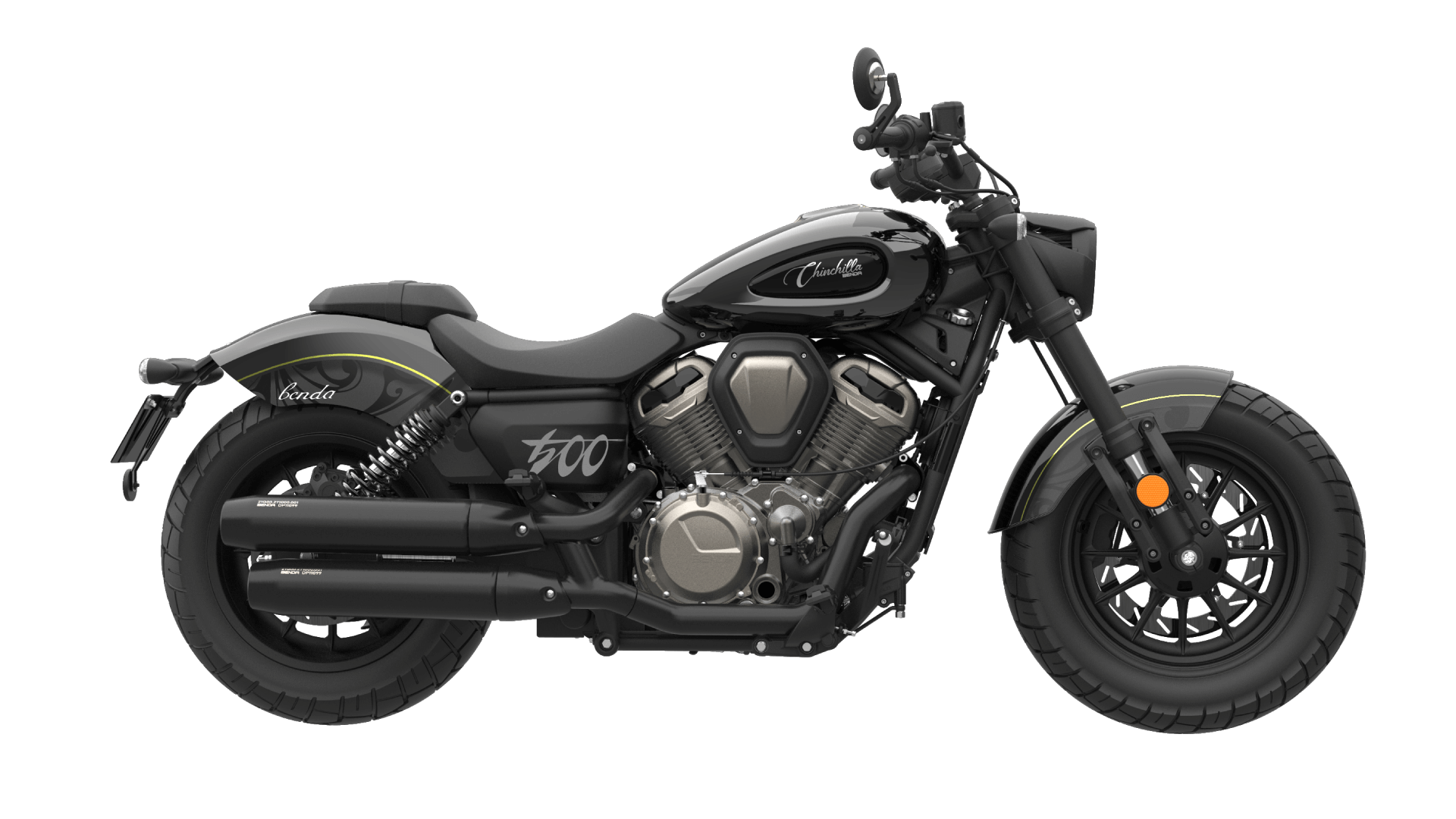
Hidden City Pain Points Most Riders Don’t See (Until Monday)
When shoppers search for an urban motorbike, they often weigh displacement and looks, then stop. But the real city tax shows up in less obvious places: clutch effort during gridlock, ECU mapping that surges at low rpm, heat soak at idle, and a front brake that feels wooden at parking-lot speeds. Look, it’s simpler than you think. Start with the torque curve and gearing. If first gear is too tall or the sprocket ratio favors highway cruise, you get stalls and wrist fatigue. Steering matters too. Rake angle and trail shape how fast the bike tips in when you dodge mirrors; a few millimeters can change confidence. Add in brake feel—initial bite plus ABS calibration at 15–25 mph—and you either glide through chaos or fight it every block.
Comfort has layers. Seat foam density, bar sweep, and peg height decide if your hips and wrists survive rush hour. But thermal and electrical design matter just as much in the city. Tight traffic punishes cooling systems; a weak fan shroud or marginal radiator makes summer a chore. On electrics or hybrids, power converters and regenerative logic dictate smoothness at crawl pace. Even the CAN bus and accessory power stability affect nav, dash cams, and turn-by-turn prompts. And theft modes? If the immobilizer and lock points aren’t practical for curbside parking—well, you’ll carry that stress all day. Funny how that works, right?
What really causes fatigue?
Micro-friction. A heavy clutch without slipper assist, rubbery shifter feel, vague front-end feedback, and mirrors that blur at idle all stack up. Fix those, and the city suddenly feels smaller.
Comparative Insight: How New Tech Changes the Daily Grind
Let’s flip the lens and look forward. Modern control systems use small IMUs to refine ABS and traction control at low speed, not just during panic stops. That means steadier braking on painted crosswalks and wet manhole covers—exactly where city spills happen. Fly-by-wire throttle plus smart ECU mapping can smooth rolling starts, while a light slipper clutch or quickshifter trims left-hand workload. Edge computing nodes are creeping into connected dashboards, prioritizing local processing for nav hints and hazard alerts without lag. Even suspension is evolving: compliant forks with better low-speed damping keep potholes from deflecting your line. This is why “best on paper” is not the same as the best motorcycle for city riding in real life. The principle is simple: optimize for seconds, not miles—because city time lives between lights.
What’s Next
Expect smarter heat paths and quieter drivetrains. Small parallel twins tuned for bottom-end torque beat high-strung singles when you’re hopscotching taxis. Belt drives reduce mess and maintenance for curbside commuters; sealed chains close the gap with better longevity. Lighting is another leap—high-contrast DRLs and adaptive LEDs boost visibility at odd angles. Telematics can log hard-stop distances and average reaction times, letting riders actually measure progress. Some platforms even refine stop-start idling to trim heat and fuel use. And yes, security is modernizing: stronger immobilizers on the CAN bus and location-aware locking logic deter opportunistic grabs. All of this stacks up to a bike that feels composed, not just capable. The takeaway from earlier sections still stands—choose torque shape, cooling, and brake feel first—but now you can connect them to the tech that delivers those traits. Small changes, big calm.

Before we close, a quick advisory note to make your choice measurable. One: evaluate low-speed control by counting clutch pulls per mile and noting any surge under 3,000 rpm; fewer is better. Two: test braking on imperfect surfaces and check for stable ABS engagement plus repeatable 30–0 mph stopping distance. Three: assess heat and ergonomics after 20 minutes of stop-and-go—knees, wrists, and fan noise—because comfort compounds. If a model aces those, spec sheets can argue the rest. And if you want a benchmark for street sanity, start with what feels easy in your own block—then work outward. That’s how you find the urban calm you’re actually buying into—no drama, just flow. For more on city-focused platforms, see BENDA.






